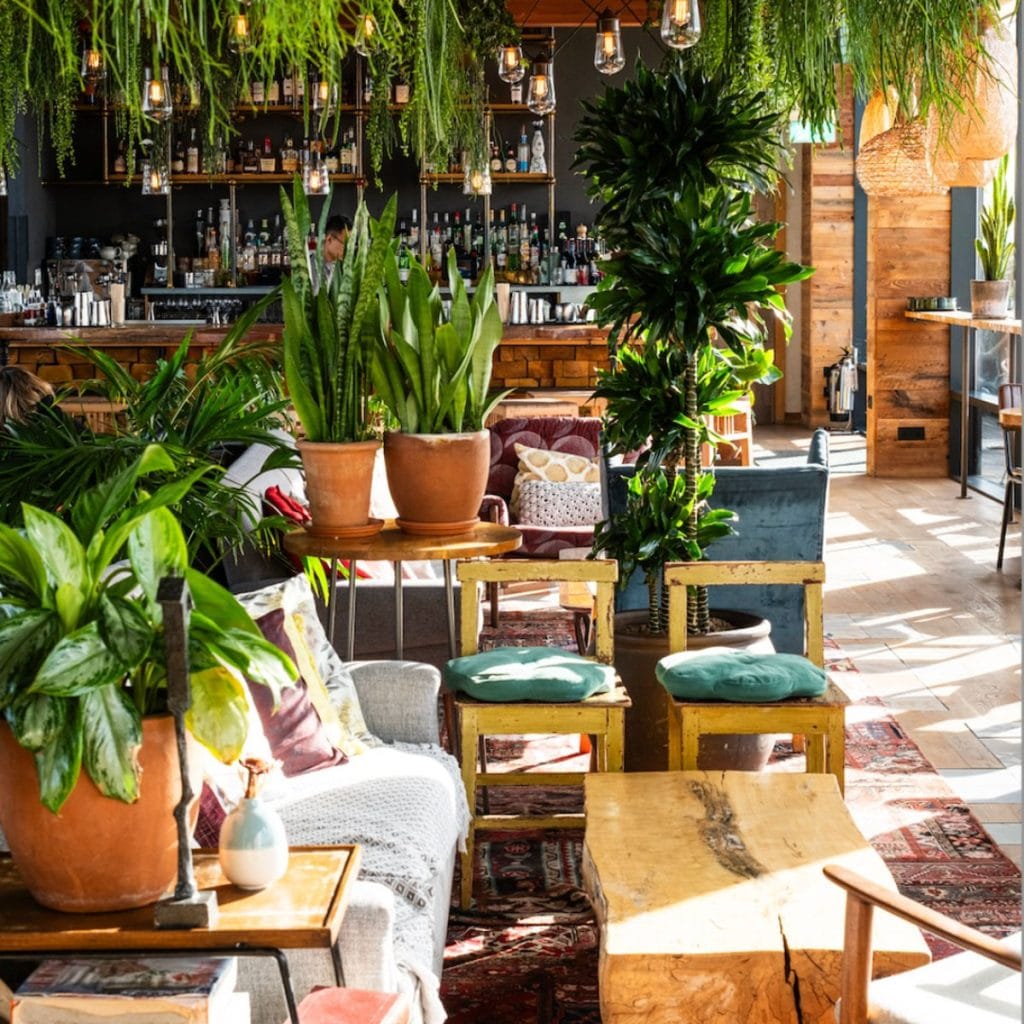
London has a habit of hiding its most rewarding food behind little corners and quiet cobblestones. Step off the thrum of Oxford Street into Marylebone Lane and your ears soften, your shoulders drop, your appetite sharpens. Delamina sits here like a sunlit postcard from the Levant, yet it speaks in a distinctly London accent. You smell it first: smoke, lemon, oregano. You hear it next: a pop of laughter through an open window. Then you walk in, and the room takes you somewhere warmer without ever asking for your passport.
That warmth is no accident. It comes from Limor and Amir Chen, a partnership in life and business, who decided that the best way to honour their families was to feed yours. They set out to distil Tel Aviv flavours into something that would feel right at home among the Georgian façades of W1. Their success has given Marylebone a new reference point for modern Eastern Mediterranean cuisine, one that feels lived-in rather than imported.
Fun Fact: In 2024, the Soil Association reported a 37 per cent rise in UK cauliflower sales, crediting the boom to restaurants serving whole charred heads just like Delamina’s best-seller.
Limor Chen, The Cook Who Never Trained
Limor grew up in a Tel Aviv apartment filled with coriander on the balcony and cumin in the cupboards. Her father, an Iranian-Israeli polyglot of flavour, ran the family kitchen the way some parents run the school run. He taught her to season with intent and to respect vegetables as lead actors. There was no professional school in her story, just years of tasting, adjusting, tasting again. That self-driven apprenticeship now anchors the restaurant’s menu. It explains why the food feels intuitive rather than theoretical and emotional rather than academic.
Critics often reach for the word “fusion” when they see Russian pickles snuggling next to Persian herbs. Limor waves that away. She is not fussing with tradition for sport. She is putting her own history on a plate and trusting the London palate to keep up. So far, the city has rewarded that trust.
More Than a Health Kick
Healthy eating in the capital has had its fads. Remember the days of courgetti and sad kale bowls. Delamina’s approach slides in a different lane. It prioritises satisfaction first, nutrition second, and allows those priorities to blend. Grilling and live-fire roasting coax sweetness from every pepper and depth from every aubergine. Olive oil replaces heavy dairy where it can. Herbs speak louder than salt. The result tastes indulgent yet sits light, so diners leave bright-eyed rather than drowsy. Quite a trick. No wonder healthy eating is one of the six most-searched terms that land on Delamina’s booking page.
From Turkey Pop-up to Lasting Address
Before Marylebone, there was a Shoreditch pop-up called Strut & Cluck that worshipped one bird and one bird only. The turkey shtick grabbed attention but boxed the Chens into a corner. They wanted space for za’atar courgettes, date-studded shawarma, and charcoal-kissed fish. Closing the pop-up and opening Delamina was the leap that turned a novelty into a neighbourhood fixture. Three openings later, including an East London sibling and a townhouse offshoot, their story shows that big brands are not the only route to a loyal crowd. Sometimes all you need is focus, narrative, and a room that smells good at five o’clock.
Address with Quiet Swagger
Walk north from Bond Street station until you swap chain storefronts for indie boutiques. Number 56–58 occupies a corner that lets afternoon light pour through tall panes, spotlighting passers-by who pause to read the menu. Marylebone Lane curves like a village street, so the view shifts with each step, giving the exterior a cinematic quality. Inside, two floors unfold. Ground level feels airy, perfect for business lunches and borrowed-time coffees. Downstairs, the open grill throws sparks and shadows, a reminder that flavour begins in the fire.
Wood, brick, and trailing vines dominate the palette. Nothing matches too perfectly; everything belongs. Tables sit close enough to borrow wine tips from strangers, far enough to keep secrets. That loose intimacy mirrors Tel Aviv’s café culture and London’s hunger for authenticity in its Marylebone restaurants.
Mood Swings in the Best Sense
Midday sunlight breeds calm conversation, the gentle clatter of plates, the hush that falls when someone carves through that famous charred cauliflower. By seven o’clock the volume knob turns. Glasses clink louder, playlists pick up pace, and aromas intensify. Some reviewers grumble about decibels, yet most cheer the buzz as proof of life. After all, sharing plates tastes better when debate flows, and Delamina’s menu is built for debate. Who gets the last slice of beetroot carpaccio. Whether the pomegranate molasses is sweet enough. These small negotiations become part of the fun.
Service with Genuine Pulse
Hospitality here feels familial, not rehearsed. Servers introduce dishes like childhood friends, explaining why a squeeze of lemon lifts the lentils or how a Syrian spice mix ended up on a Scottish poussin. They answer allergy questions without disappearing to look things up. They do not hover, yet they never vanish. In a city where slick formality often masquerades as polish, that balance is refreshing. The team’s enthusiasm is the real marketing engine, more persuasive than any Instagram reel.
Why the Story Matters Now
Londoners are eating out again, but habits have shifted. Diners want meaning with their money. They search for places that align with their values, from planet-minded sourcing to cultural storytelling. Delamina taps that current. It offers a plate of Middle Eastern food that tells a personal tale, backed by modern technique and a London postcode. That combination gives the restaurant a resilience that trend-driven venues lack.
So if you are scanning the web for Tel Aviv flavours without leaving Zone 1, this corner of Marylebone promises the real thing, delivered with British composure and Levantine soul. Part Two will unpack the menu in granular detail, explore the wine and cocktails, and weigh the verdicts of diners versus critics.
The Menu in Full Colour
Delamina’s carte does not sprawl like a telephone directory yet each dish feels carefully edited for impact. Limor Chen treats vegetables as headline acts rather than supporting players, allowing seasonal produce to guide weekly tweaks. A handful of plates remain fixed because regulars would riot if they were to vanish. Together they form an Eastern Mediterranean restaurant menu that balances comfort with curiosity, letting diners tiptoe from familiar hummus to wilder spice blends without jolting the palate.
Vegetables That Steal the Show
Start with the charred cauliflower, if only to understand why this vegetable has become an unofficial mascot for the London food scene. The head arrives blistered and smoky, crowned with pomegranate jewels that burst against a cool swirl of citrus crème fraîche. When cooked correctly, the stems remain firm, and the florets caramelise at the edges. One misfire noted by Time Out sparked debate, but most tables still order it with the loyalty of football supporters.
Another favourite, smoky aubergine, trades brute fire for slow patience. Overnight roasting turns the flesh silky before it meets tahini, garlic and a bracing spoonful of zhoug. Spread it on a warm pita, pass it around, and watch a hush fall. Courgettes follow a dual route: ribbons seared on the grill for bite, then diced and folded into labneh for tang, scattered with crisp onion shards. The result is proof that “green” can mean jubilant rather than worthy.


Meat and Fish with Fire and Flair
Flame still dominates, but the mood shifts from delicate to primal. Beef and venison koftas, named after Limor’s uncle Moshe, arrive draped in hummus and slicked with cumin oil. Rich but never stodgy, they convert many diners who thought they had sworn off red meat mid-week. The poussin, deboned for easy sharing, carries a ras el hanout glaze that pings between sweet and earthy before the honey on top caramelises under the charcoal.
Legacy dishes from the pop-up era also stand the test of time. Turkey shawarma divides opinion: some celebrate the date-laced sweetness, others mutter about dryness. The kitchen’s response has been to slice the meat thinner and boost its resting time. Feedback loops here feel real, not performative.
Sweet Conclusions Desserts Worth the Stroll
Leave room, even if it means skipping a second cocktail. The halva parfait, whipped to a lightness that belies its sesame punch, lands beside crushed pistachios for crunch. A short espresso cuts the sweetness. The chocolate and tahini mousse is deeper, nearly savoury, lifted by a slick of olive oil that surprises newcomers and delights regulars. Desserts often chase brightness rather than sugar, echoing Tel Aviv cafés where citrus and nut dominate the pastry counter.
Wines with a Sense of Place
The bottle list reads like a gentle travelogue across the Mediterranean basin. Greece provides crisp Assyrtiko for seafood evenings; Lebanon steps in with velvety Cabernet blends that flatter the koftas. Israeli Chenin Blanc holds its own against the cauliflower’s char. Staff have tasted everything and speak plainly about acidity, body, and price, rather than using jargon. Glasses start at prices that feel kind for W1, climbing only when provenance demands it. Natural wines appear but never as token gestures; each choice earns its slot by pairing, not trend.
Cocktails That Tell Stories
Where many restaurants hand guests a cut-and-paste list, Delamina scripts mini-narratives. Order Fire and Smoke and the server will explain how lapsang tea infuses gin for eight hours before rosemary delivers a final punch. Levantini balances bergamot liqueur with arak so deftly that even anise sceptics finish the glass. Jaffa I’ve missed you leans playful, spritzing orange blossom over rum to mimic a biscuit. These pours do more than refresh; they extend the kitchen’s spice grammar into liquid form, turning the bar into a stand-alone draw for fans of Levantine cocktails.
Inclusive by Design
Menus flag gluten-free bread, vegan mains and dairy-light puddings with clarity that puts allergy-prone diners at ease. Staff check back without fuss to confirm preferences and, if needed, prompt the chef for off-menu tweaks. This flexibility earns Delamina a spot on every shortlist of vegetarian-friendly addresses in the neighbourhood. Crucially, those plant-based plates never feel like afterthoughts. They share the same charcoal blister, citrus zip and herb intensity as their carnivorous counterparts, allowing mixed groups to eat together without compromise.
Critics and Crowd a Split Verdict
Professional tastemakers remain divided. The Evening Standard praised “vibrant imagination” while Time Out’s three-star score flagged inconsistency. Diners, meanwhile, keep the booking diary packed four weeks ahead. What explains the gap? Critics judge execution against theoretical perfection; customers weigh ambience, service warmth, playlist energy and whether the bill matches the thrill. Delamina understands its market and meets it head-on, offering a Marylebone brunch spot by day and a full-throttle supper destination after dark. Online ratings reflect that alignment more accurately than starched reviews.
Practical Information For a Smooth Visit
Address: 56-58 Marylebone Lane, London, W1U 2NX
Nearest Tube Station: Bond Street (a five-minute walk)
Please remember to verify details on the day of your visit, as seasonal changes may apply.
Booking Tips: Evenings tend to fill up quickly, so it’s best to book a table at least a week in advance. Let’s not forget the upstairs private dining room, which accommodates up to thirty-five guests. If you’re considering a walk-in, you have a fair chance during weekday lunch hours, especially if the weather is poor and shoppers are staying home.
Final Thoughts: Actionable Takeaway
Delamina proves that the measure of a restaurant is not the size of its footprint but the size of its heartbeat. By filtering family memory through London pragmatism, Limor and Amir Chen have built a room where diners feel both transported and recognised. Reserve, arrive hungry, share widely, and let the fire-kissed spices remind you that good cooking is conversation in edible form. As the old saying goes, the proof of the pudding is in the eating.