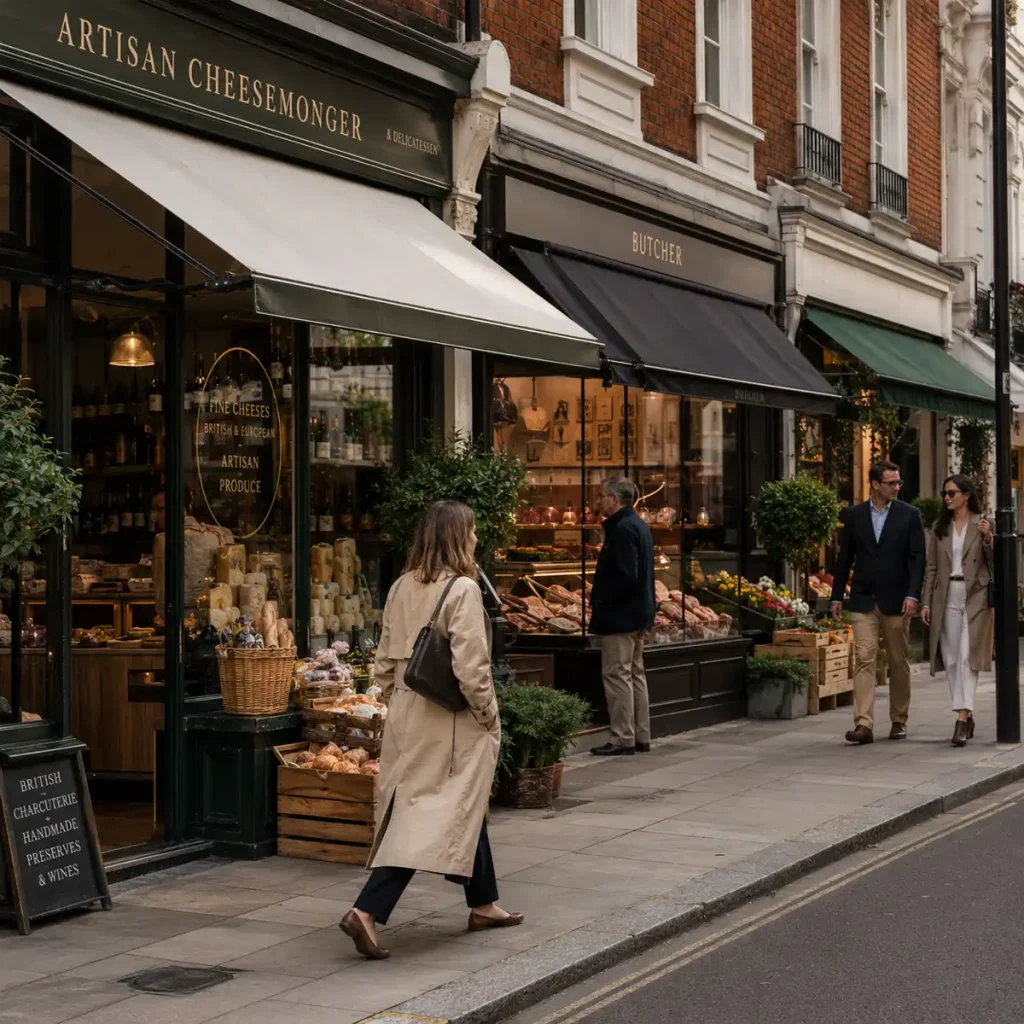
Marylebone is one of the best places in London to build a coffee day that actually works, not just for taste, but for pace, focus, and the kind of wandering that still feels purposeful. If you want a flat white that lands cleanly, a calm table for emails, and streets that reward a slow turn of the head, this pocket of W1 delivers. The trick is timing and proximity. You can move from Marylebone coffee counters to bookish addresses, then on to museums, boutiques, and low-lit bars without ever feeling dragged into the West End surge.
What makes it different is not hype, but density. Within a short walk, you get serious espresso bars, a literary backbone, and a slightly guarded confidence that suits both commuters and visitors. Use it for a morning reset, a midday meeting, or a late afternoon pause before dinner. Done well, Marylebone becomes a small itinerary where caffeine supports the day rather than driving it.
Start With The Flat White That Sets Your Pace
Begin on streets where the morning feels engineered for movement. WatchHouse on New Cavendish Street is a strong first stop if you want modern coffee with a composed room and a sense of intent. It sits just off the main flow, which matters when you are trying to avoid a queue that steals your concentration before the day has started.
If you prefer something with a magazine-world sheen, Monocle Café on Chiltern Street has long operated as a meeting point for people who like their coffee with design language and a clear, tidy rhythm. It is close enough to feel plugged into the neighbourhood, but slightly tucked away, which is often the difference between a quick stop and a long, productive sit.
A practical rule that rarely fails is this. Choose your first coffee based on your next task. If you need a clean sprint into work, go for a well-made milk drink and keep the order simple. If you want a slower start and more aromatics, try a filter option and give yourself 10 minutes to settle.
Find Independent Coffee Shops In Marylebone That Feel Local
Marylebone’s strength is that it still reads as a neighbourhood, not a retail algorithm. That is partly down to the long stewardship of the Howard de Walden Estate, which has helped keep the area heavy on independents and light on the same-brand repetition you get elsewhere. The result is a cluster of independent coffee shops in Marylebone that feel stitched into the street rather than dropped onto it.
There is also a quiet confidence in how these places work. Staff tend to assume you know what you like, but they will meet you halfway if you ask a good question. If you are ordering for a team, keep it crisp and specific. If you are ordering for yourself, listen to what is on espresso today and ask for a recommendation based on how you take your coffee.
You are not chasing novelty here. You are building reliability. That is what makes Marylebone a good base for visitors, and a dependable circuit for Londoners who want the pleasure of a coffee run without the stress of a coffee scene.
Walk The Literary Marylebone That Shaped Modern Café Culture
A neighbourhood becomes a coffee district when it develops a habit of gathering. Marylebone has long had that habit, partly because it sits between work, culture, and residential calm. Add its literary history, and the story sharpens.
Charles Dickens lived at 1 Devonshire Terrace in the 1840s, a period when London’s coffee rooms and public houses doubled as observation posts for writers, editors, and talkers. That older culture of the “third place” was not a lifestyle concept. It was a working tool, a place to watch a city think.
Then there is Sherlock Holmes, anchored to Baker Street in the cultural imagination. You do not need to lean too hard on the fiction to feel the appeal. The idea is simple. A good coffee can be a structured pause, and a structured pause is often where decisions become clear.
Fun fact: A sculptural Dickens mural stands near Marylebone Road and Marylebone High Street, marking the neighbourhood’s long link to Victorian storytelling.
Use Chiltern Street And New Cavendish Street As Your Core Route
If you want Marylebone to feel easy, anchor yourself to a couple of streets and let the day unfold around them. Chiltern Street gives you cafés, fashion, and a hotel backdrop that keeps the area feeling polished. New Cavendish Street offers a more functional London energy, with offices, clinics, and coffee stops that suit weekday routines.
The best way to use these streets is to pick one as your outward route and the other as your return. That creates a natural loop. It also helps you avoid doubling back through crowds when you are trying to keep momentum.
If you are meeting someone, set the rendezvous on a recognisable corner rather than inside the café. Marylebone spots can fill quickly, and table availability changes by the minute. A calm start is part of the point.
Pair Coffee With Museums And Design Without Losing The Day
Marylebone rewards the person who wants culture without a heavy itinerary. The Wallace Collection is the obvious anchor. It is central, free to enter on standard visits, and it offers a rare sense of quiet grandeur in a city that often feels over-booked. It also pairs well with a coffee day because you can do it in 45 minutes or you can do it in 2 hours, depending on how you feel.
This is where Marylebone differs from other London districts. The cultural stop does not require a commute or a mood shift. You can move from espresso to painting, then back to the street, and it still feels like one coherent day.
If you are planning a longer stretch, build in a second pause somewhere that is not a museum. A calm bench, a small bookshop, a quick loop past independent interiors. Marylebone is good at these transitions, which is why it suits visitors and commuters equally well.
Plan Brunch And Marylebone Restaurants With Queue Logic
If you want the neighbourhood at its best, do not leave food to chance. Marylebone is rich in Marylebone restaurants and bakeries that pull crowds, especially at weekends. The simple move is to eat earlier than you think you should. Arrive at brunch slightly before the peak, and you will feel like you have discovered a calmer version of the area.
If your schedule is tight, pick one meal that matters and keep the rest light. A coffee, a pastry, a late lunch. Marylebone is a place where grazing can feel elegant rather than chaotic, if you choose your stops carefully.
For hospitality professionals, Marylebone is also useful as a client-friendly zone. It reads polished without trying too hard, which can be a relief in a city where “trendy” often means noisy. Build meetings around coffee first, then move to lunch when the conversation has found its shape.
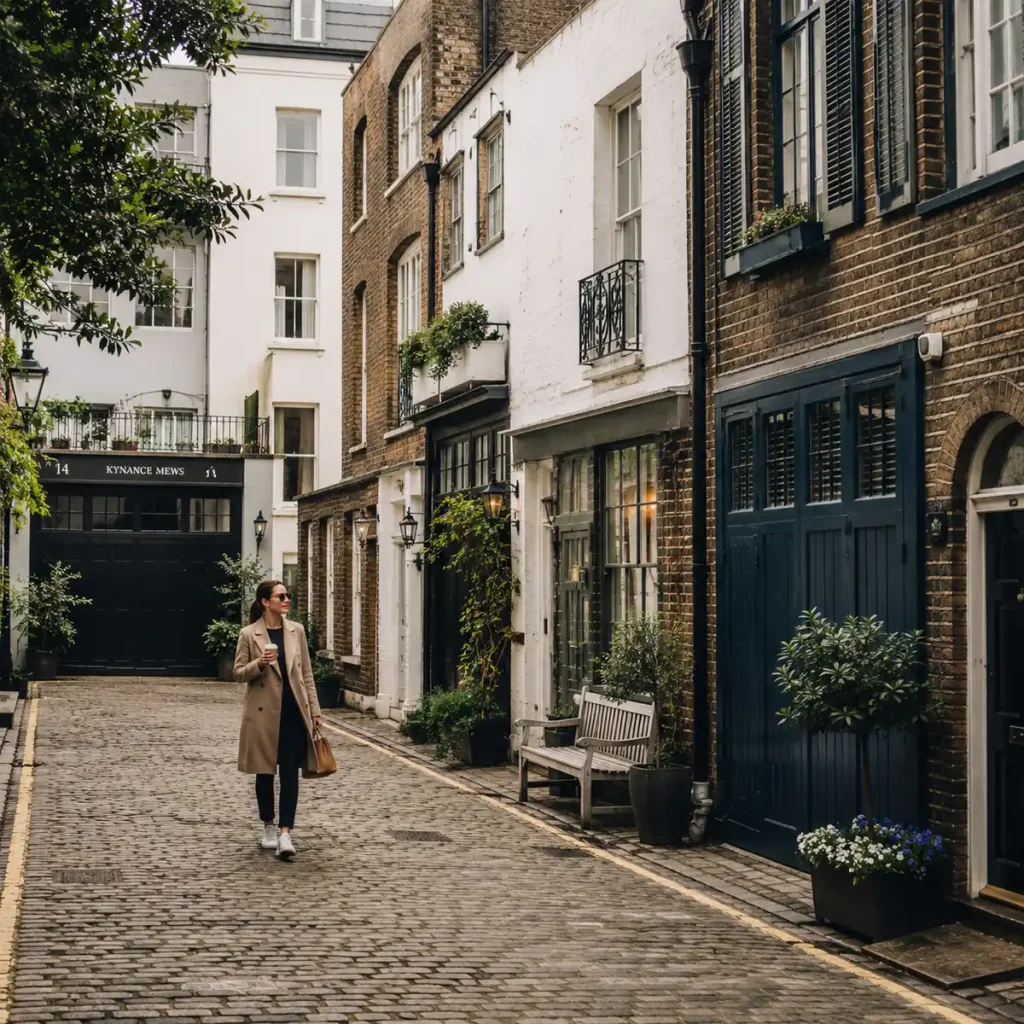

Step From Coffee To Marylebone Pubs And Bars With Ease
Marylebone evenings can be quietly excellent. You do not need a club itinerary to stay out well. The neighbourhood has enough Marylebone pubs and bars to give you options without turning the night into logistics.
The best shift from day to night is to change the drink, not the postcode. Keep the route tight. Move from coffee to a low-key aperitif, then dinner, then one final drink. Marylebone suits the layered evening because it never forces you into a single mood.
If you are dressing for the night, Marylebone tends to reward understated confidence. You will see plenty of denim and cashmere, smart coats, and polished shoes. It is less about spectacle and more about looking like you know where you are going.
Understand The Wellness Pull Of Harley Street Clinics Nearby
Marylebone also sits beside a medical district that has become part of its modern identity. Harley Street clinics are not a tourist attraction, but they are a real reason the area carries a certain weekday energy. People come here for consultations, treatments, and appointments, then fold the visit into a lunch, a coffee, or a quiet walk.
If you are considering cosmetic clinics in Marylebone, the sensible approach is to treat it like any other professional service purchase. Check practitioner registration, understand aftercare, and do not confuse a well-designed reception with clinical rigour. In the UK, regulation and oversight can vary depending on the procedure and setting, so your diligence matters.
For visitors, the takeaway is simpler. This is one reason Marylebone has so many good daytime options. There is weekday footfall that supports quality cafés, clean interiors, and service that moves briskly.
Shop For Craft And Style Without Feeling Rushed
Marylebone is an easy place to shop if you like craft and understatement. Marylebone shopping here tends to favour independent brands, smaller showrooms, and considered objects. You will find interiors, fragrance, menswear, and gifts that feel specific to the area.
For the time-poor, set a boundary. Pick one category and stick to it. Interiors and scent. Books and small design pieces. Grooming and accessories. That keeps the day from dissolving into browsing fatigue.
If you are planning something more substantial, such as viewing property or making a high-value purchase, Marylebone has a professional ecosystem around it. You will see Marylebone real estate agency offices, private client services, and the quiet infrastructure that supports a neighbourhood with serious spending power. Keep your appointments spaced out and allow walking time. Marylebone is best on foot.
Add Fine Jewellery And Hotels If You Want A Full Day Arc
A complete Marylebone day often includes a change of texture. Coffee in the morning, culture at midday, dinner later, then a final stop that feels like a reward. That might be fine jewellery in Marylebone, a small gallery, or a late drink near a hotel bar.
For visitors staying over, boutique hotels in Marylebone make the neighbourhood feel even more self-contained. You can start the day without commuting in, and you can end it without thinking about last trains too early. If you are coming in from elsewhere, plan your exit. The area is well connected, but late-night London still rewards anyone who knows how to get home.
End The Day Like A Local With A Better Coffee Habit
Marylebone’s best coffee experience is not about chasing the newest counter. It is about building a small set of reliable places, then letting the neighbourhood do what it does best. It gives you room to think. It offers culture without fuss. It provides dining and bars that feel grown-up. And it allows a day to move through different gears without dragging you across the city.
If you want a simple plan, start with a flagship café, take a short cultural stop, then eat early and finish with one quiet drink. Keep your route tight around Chiltern Street, New Cavendish Street, and Baker Street. Let the streets do the work. A good coffee day in Marylebone is like a well-cut coat. It holds its shape, it looks effortless, and it makes everything else feel easier.