
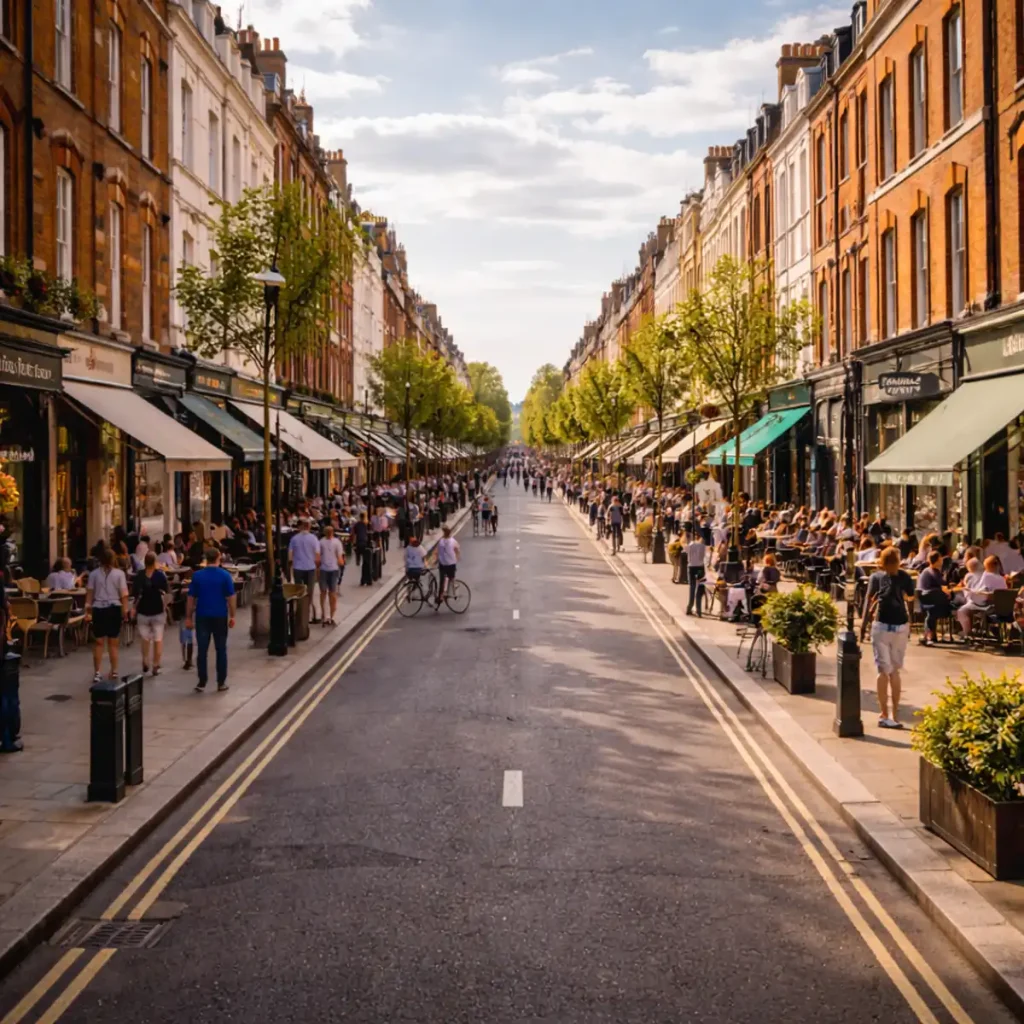
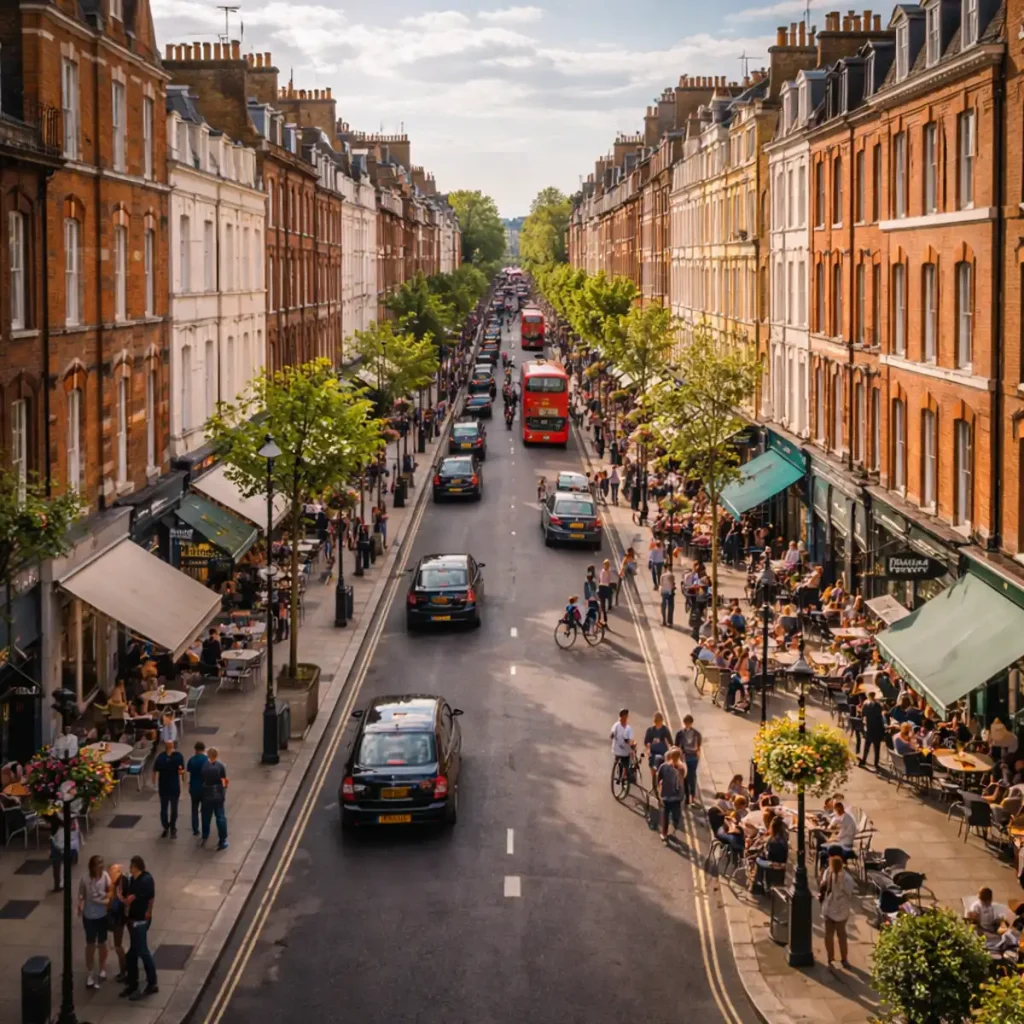
Marylebone High Street is one of the rare spots in central London where shopping feels personal. Here, restaurants and food shops fit right in with independent stores, instead of being sidelined. If you are planning a day out, it is simple: you can enjoy good food, find quality shops, and explore at your own pace, all without the usual crowds and repetition you find elsewhere in the West End.
The success of Marylebone is not about nostalgia. It is built on a local-first approach that values quality, consistency, and regular customers. If you want a place where you can grab coffee, enjoy lunch at the market, and browse a bookshop all within a short walk, Marylebone High Street gives you a taste of the best of London, plus quiet side streets when you need a break from the crowds.
The experience is also refreshingly practical. There are obvious anchors for a quick, high-quality food shop, easy places to pick up thoughtful gifts, and just enough calm to make the whole thing feel like a break rather than another errand. The key is knowing how the High Street is shaped, which streets to prioritise, and how to time your visit so it feels effortless.
Where To Eat And Drink Around Marylebone High Street
If your main goal is to plan a day that revolves around food, Marylebone makes it easy to build a satisfying itinerary without crossing the city. The trick is to treat the High Street as the spine, then take short detours onto the lanes and squares that hold the best moments.
Start with the obvious icons if you want certainty. La Fromagerie is the kind of place that turns a simple lunch into a small event, whether you are after cheese, charcuterie, bread, or a quick bite that feels considered. Nearby, The Ginger Pig is a reliable stop for proper butcher-quality produce and a reminder that London still has neighbourhood shops that know their regulars.
For visitors, this matters because the best version of Marylebone is not rushed. It is a place where you can buy ingredients, take a slower lunch, then return later for a drink or a final pick-up before heading home. For locals and commuters, it becomes a weekly rhythm. You do not need to do everything in one loop. You just need to know what is worth prioritising.
Why Marylebone High Street Stays Independent In A Chain City
Marylebone’s independence is not an accident, and it is not simply down to “good taste” among shoppers. A large part of the area’s retail landscape is shaped by the Howard de Walden Estate, which has long taken an active role in the tenant mix around Marylebone Village.
In practice, that means the High Street feels curated rather than chaotic. Instead of being driven only by the highest bidder, the street has room for businesses that create long-term loyalty. Daunt Books is a perfect example of why that matters. It is not simply a shop. It is part of the area’s identity, a place that draws people in for browsing, recommendations, and the simple pleasure of lingering.
This is also why Marylebone avoids the whiplash that hits other shopping streets when trends change. A neighbourhood built around independent operators tends to hold its value culturally because it offers something harder to replicate. Atmosphere is not a marketing campaign. It is the sum of familiar frontages, consistent quality, and the feeling that you are somewhere with its own point of view.
How To Shop Marylebone Like A Local Without Wasting Time
Marylebone rewards aimless wandering, but it is also a neighbourhood that suits time-poor visitors who still want a premium day out. A few small habits make a big difference.
First, plan in loops rather than straight lines. Do the High Street, then step off it. Marylebone Lane is the classic detour when you want a quieter feel and more independent choice. From there, it is easy to link back towards the High Street without doubling back.
Second, shop earlier than you think. If you arrive mid-morning on a weekday, you will catch the neighbourhood at its calmest, especially before lunchtime footfall ramps up. On weekends, the area can feel busy, but it rarely feels frantic if you choose the right moments.
Third, treat food shopping as part of the experience rather than a chore. Marylebone is one of the few places where picking up ingredients can be genuinely pleasurable, because the quality is consistent and the shops are close enough together to make it efficient. If you are staying locally, even a small kitchen becomes more appealing when the ingredients are this good.
Finally, remember that Marylebone is compact. You do not need taxis between stops. Most of the best bits are a short walk apart, and that walk is part of the point.
What The Oxford Street Comparison Gets Right And Wrong
The easiest way to understand Marylebone is to compare it with the shopping districts it refuses to copy. Oxford Street has scale, footfall and global visibility, but it also carries the burden of sameness. You can land there half asleep and still know exactly what you will see.
Marylebone trades mass appeal for character. It does not try to compete with the West End on volume. It competes on experience. That matters to hospitality professionals and brand partners because it changes the customer mindset. People come to Marylebone expecting quality and a quieter kind of confidence. They are more likely to browse, more likely to return, and more likely to spend with intention rather than impulse.
For visitors, this has a practical upside. The High Street feels navigable. You can do a full afternoon without feeling like you have been processed by a crowd. If you want a London day out that still feels civilised, independent shopping in Marylebone is one of the most reliable bets.
The Estate Effect And The Landlord As Curator
The phrase “landlord as curator” can sound abstract until you see what it looks like on the ground. In Marylebone, it shows up in the cohesion of the street. The mix makes sense. The businesses support one another. Food shops drive lunchtime and weekend footfall. Retail thrives because people already have a reason to be there.
That cohesion also protects the neighbourhood from short-term churn. When a street becomes a revolving door of pop-ups and quick wins, it loses trust. Marylebone’s strength is that it feels stable. Even when new names arrive, they tend to fit the local rhythm. Recent additions like Melrose & Morgan and Matchado speak to a wider shift towards quality-led, functional everyday shopping without turning the area into a trend showroom.
For visitors planning a day, this means you can book less and still do more. You are not relying on one must-visit address. The density of good options is the feature.
How Harley Street Shapes The Marylebone Customer
The High Street’s resilience is closely tied to what sits just nearby. The Harley Street clinics and medical practices bring a distinct flow of people through the area, from London professionals to international visitors. That matters because it reinforces the local demand for excellence.
A neighbourhood that hosts high-stakes consultations, elective treatments and long-term medical relationships tends to attract businesses that match that tone. You see it in the way cafés run, the way service is delivered, and the way retail positions itself. Marylebone is not trying to be edgy. It is trying to be dependable, discreet and high quality.
That has a knock-on effect for hospitality. People here often want places where they can sit comfortably, take a meeting, or decompress without being rushed. For brands, it is a neighbourhood where trust and reputation travel quickly. A good operator can build loyalty. A sloppy one will not last.
The Streets That Matter Beyond The High Street
If you only walk the High Street, you will have a good time. If you add the side streets, you will understand why Marylebone feels like a neighbourhood rather than a shopping strip.
Marylebone Lane is the essential detour when you want quieter browsing and a slightly more local feel. Manchester Square offers a pause and a sense of space that is rare this close to central London. If you want to reset the pace, walk there, then loop back.
Blandford Street and George Street help you stitch together an afternoon without feeling trapped on one main route. Even a short drift off the spine gives you breathing room. For visitors, it also makes the day feel more layered. You are not consuming the neighbourhood. You are moving through it.
Fun fact: “Marylebone Village” echoes the area’s early parish identity, revived as a modern neighbourhood brand that still shapes how the High Street feels today.
The Sunday Farmers Market And The Food First Marylebone Rhythm
The weekly Marylebone Farmers’ Market acts as a cultural anchor for the area. It is not just about buying produce. It is about reinforcing the neighbourhood’s sense of itself.
For visitors, it offers an easy way to see Marylebone at its most local. The atmosphere is different from a high street rush. There is more conversation, more sampling, and more of the small rituals that make a place feel lived in. For commuters and locals, it becomes part of the weekly structure, a reason to stay close rather than defaulting to supermarket convenience.
If you want to experience Marylebone at its best, plan around this rhythm. Do the market first, then drift towards the High Street for browsing, a bookshop stop, or a late lunch. It is an itinerary that feels like a day out rather than a checklist.
Booking Etiquette And How To Avoid Crowds In Marylebone
Marylebone has fewer of the aggressive queues you find in other parts of central London, but it still helps to understand the local flow. Lunchtime can get busy, particularly around food-led anchors. Weekends are lively, especially when the weather is good.
If you want the calmer version, arrive earlier and take advantage of the fact that Marylebone is easy to cover on foot. Plan a first loop before noon, then settle into lunch after the initial rush.
For hospitality professionals, the neighbourhood’s tone is also a clue. Marylebone tends to reward good manners. If you are booking tables for clients, choose places that match the brief and make the ask clear. If you want something discreet, say so. If you need a particular time window, be precise. This is a neighbourhood where service standards are often high and where clarity is appreciated.
A Marylebone Pantry And 3 Quick Kitchen Ideas
Marylebone is a neighbourhood that makes cooking feel more appealing, partly because the ingredients are close by, and partly because the shops encourage you to buy fewer things, but better ones. If you are staying nearby, or if you simply want a food-led afternoon that ends with a proper supper at home, these simple ideas are built around the local staples mentioned above.
The point is not a strict routine. It is a more considered approach that fits a busy London week, while still feeling like a treat.
The Artisan Omelette uses organic eggs from The Ginger Pig and a wedge of aged cheese from La Fromagerie for a breakfast that feels like a small luxury without being complicated. Fold in herbs if you have them, and keep it simple.
The Village Green Press combines cucumber and ginger from Marylebone Farmers’ Market for a clean-tasting, refreshing drink that suits a morning walk or a mid-afternoon pause. Add lemon if you want extra sharpness.
The Sourdough Reset is a slice of rye topped with avocado and sea salt for a quick, satisfying snack that holds you through a long afternoon. Pair it with a piece of fruit, and you have something that feels balanced without effort.
These are not restaurant replacements. There are ways to use Marylebone’s food shops the way locals do, with small habits that make the area feel integrated into daily life.
What Marylebone High Street Teaches About Community
Marylebone’s success is often described as a “village” story, but the real lesson is practical. When a neighbourhood protects independent businesses and rewards quality, it also protects the experience of being there.
That matters to visitors because it makes the day smoother and more memorable. It matters to locals because it supports routines that are actually enjoyable. It matters to hospitality operators because it creates a customer base that values standards and can recognise the difference between polish and substance.
If you want to see the High Street at its most convincing, combine the obvious anchors with the quieter streets. Spend time in Daunt Books, pick up something thoughtful from La Fromagerie, and take a detour down Marylebone Lane before you leave. Marylebone works because it is not trying to be everywhere. It is trying to be itself, and that is exactly why it keeps people coming back.


