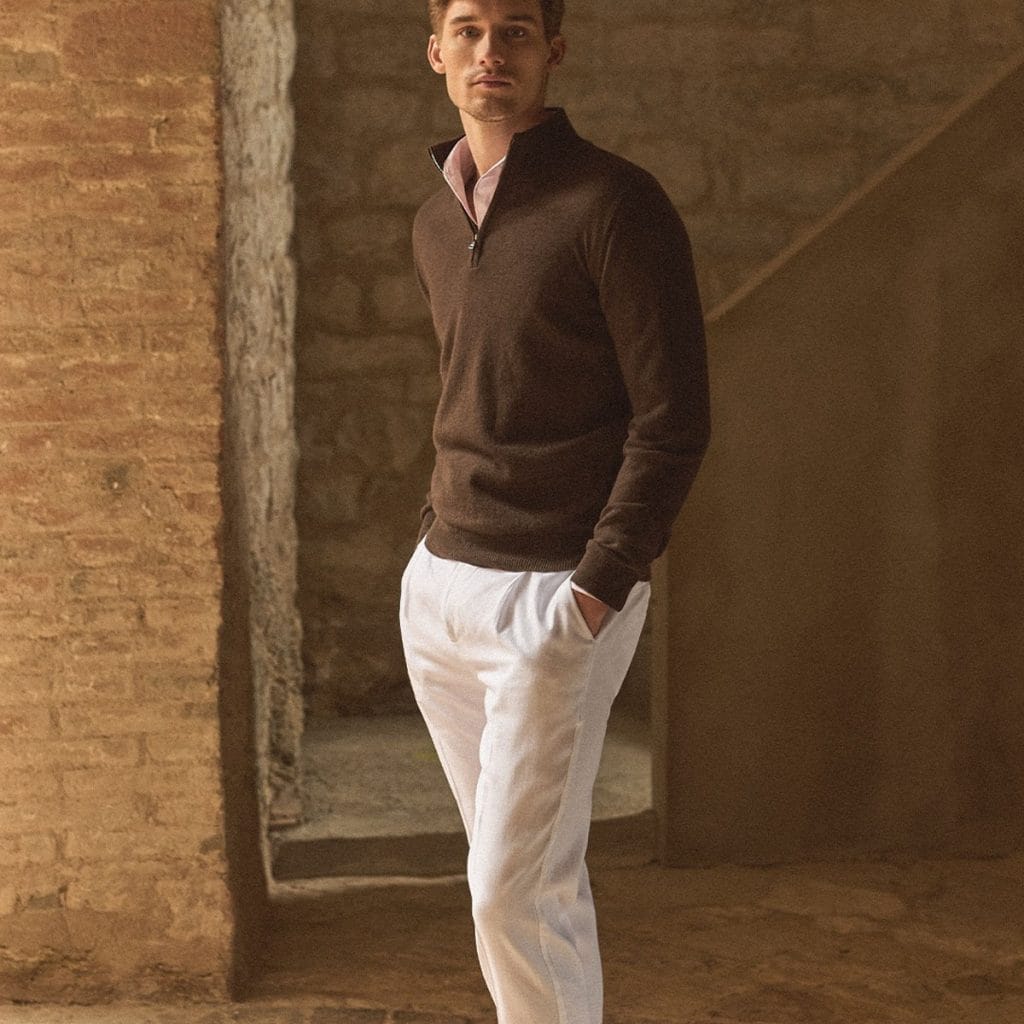
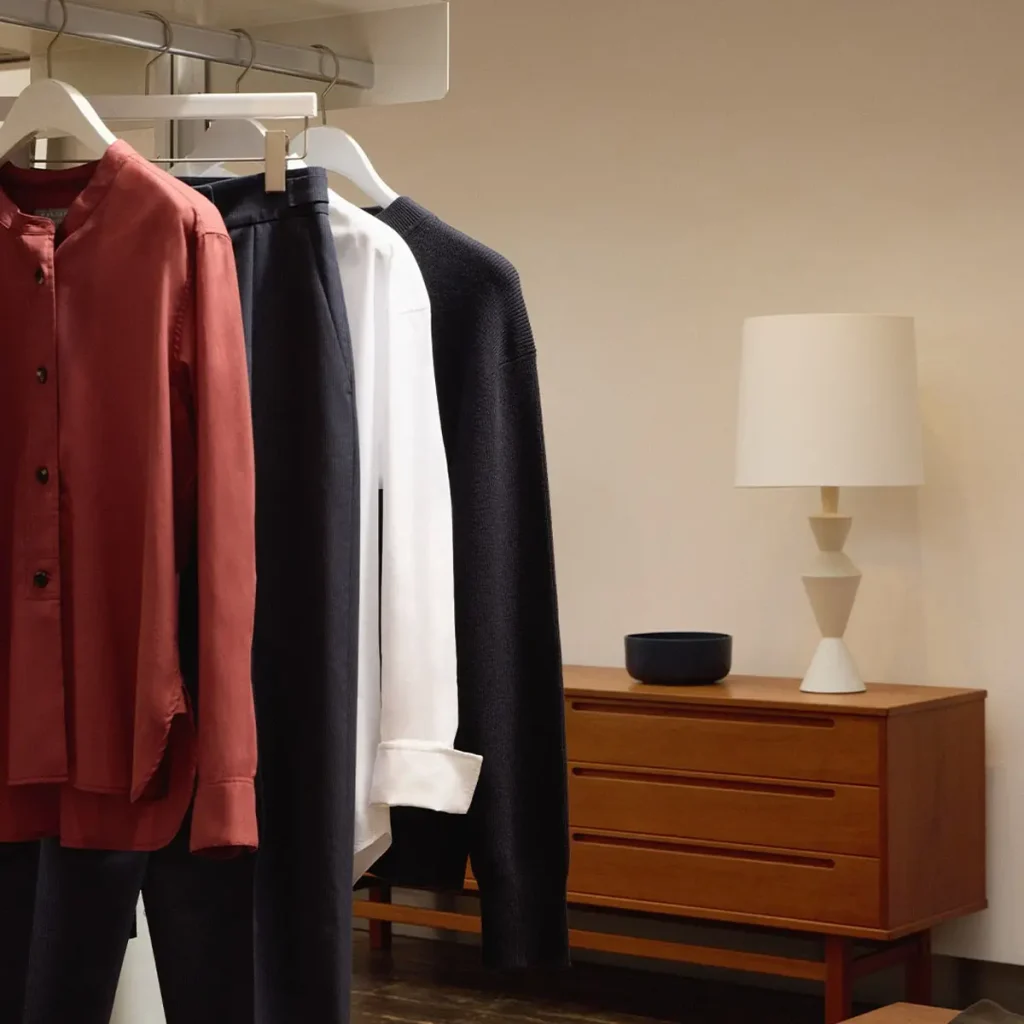
November sunshine drifted through Marylebone as Sézane lifted the shutters on 28 – 29 High Street, and the queue told its own tale. In a city brimming with flagships, hundreds of shoppers waited patiently because this opening felt personal. They had admired the brand’s effortless Parisian style online for years; now they could step inside the dream. The emotional charge of that moment anchors this editorial exploration. We trace how a digital native label built an embassy of quiet confidence in one of London’s most characterful neighbourhoods, and why the marriage feels destined to endure.
From Vintage Suitcase to Digital Stardom
Sézane’s creation myth begins not in a studio but beside a forgotten suitcase of vintage clothes. Founder Morgane Sézalory tweaked those pieces, photographed them in her flat, and uploaded the images to early social media. Each monthly drop became appointment viewing. By 2013 she formalised the project, merging her first and last names into a brand that existed only on the internet. A decade later that spirited side-hustle has become a flagship store network stretching from Paris to New York, supported by investors such as Summit Partners and the Bettencourt-Meyers family office. Annual revenue passed €250 million in 2021, proof that a feel-good story can generate serious profit without abandoning its soul.
Fun fact: Sézane’s first Paris “Appartement” welcomed so many visitors on launch weekend that staff installed traffic-light entry to protect the parquet floors. The same system re-emerged in Marylebone, underlining how offline theatre powers online growth.
Key milestones
- 2008 – First vintage “rendez-vous” launched under Les Composantes
- 2013 – Sézane debuts as France’s first online-born fashion label
- 2015 – Paris Appartement opens, investors come aboard
- 2021 – Brand exceeds €250 million turnover and secures B Corp certification
- 2023 – London flagship in Marylebone opens to global press coverage
The Economics of Attainable Luxury
Sézane thrives on a direct-to-consumer model that cuts out wholesalers, freeing budget for Italian leather, certified organic cotton, and expert European tailoring. Prices sit sweetly between high street and premium designer. A hero knit might cost £120, within reach for many shoppers who would not hesitate to spend similar sums on trainers or skincare. Limited monthly drops sharpen demand, while a strict no-sale policy protects perceived worth. Twice a year the brand hosts “Archives”, a short event selling past stock at modest reductions. The approach achieves three objectives:
- Prevents overproduction, aligning with sustainable fashion values
- Guarantees customers that yesterday’s purchase will never appear half-price tomorrow
- Fuels anticipation that keeps the Instagram countdown clock spinning
The result is a textbook example of attainable luxury: premium materials, transparent margins, and a touch of scarcity that flatters the buyer’s taste.
Building Trust Through B Corp Credibility
In an industry haunted by greenwashing, the B Corp logo carries weight. Sézane cleared the threshold in 2021 with a score of 82.6. More than three-quarters of its fabrics now qualify as eco-preferred; wool is mulesing-free, viscose is certified by the Forest Stewardship Council, and every Tier 1 factory undergoes annual social audits. The company publishes frank progress reports that admit misses alongside wins, notably a shortfall in Tier 3 traceability targets. This transparency humanises the brand and resonates with the digitally savvy community who built the #SézaneAddicts hashtag.
Sustainability snapshot
- 83 % of pieces carry third-party eco-certification
- 90 % of cotton is organic or recycled
- 100 % of assembly sites audited yearly
- Public apology issued after 2022 imagery controversy featuring Indigenous Mexican craft, followed by updated cultural-sensitivity guidelines
Why Marylebone Feels Like Fate
Walk ten minutes north of Oxford Circus and the noise fades. Georgian brickwork, independent bookshops, and artisanal grocers give Marylebone its intimate village aura. Vacancy rates stayed low even during lockdowns, underlining a customer base that prizes quiet luxury over flashing logos. That profile mirrors Sézane’s core audience: global professionals aged twenty-five to forty-five who browse Farmer’s Markets at weekends and value stories behind their clothes. Founder Sézalory discovered the location on trips to her sister’s flat nearby, falling for La Fromagerie’s Comté and Daunt’s oak galleries. Her emotional attachment echoes the brand’s promise of real life lived beautifully, not staged perfection.
Inside the Appartement: Design as Storytelling
Step through the walnut door and the atmosphere shifts. Herringbone oak flooring meets distressed brass pendants, while a marble passage leads to the Knitwear Gallery that Instagram made famous. Product sits in carefully measured pockets: jewellery in floor-to-ceiling cabinets, menswear from sibling line Octobre Éditions tucked beside vintage travel prints. Changing rooms feature pinstripe wallpaper and generous mirrors, encouraging the selfie that fuels social reach. The showroom carries limited on-floor stock by design. Shoppers request sizes from staff, creating interaction and sustaining exclusivity. Those who prefer a breezy transaction simply scan, click, and arrange home delivery.
Conciergerie service bridges the gap. Customers collect, try, or return online orders without postage. The cycle loops endlessly: digital desire drives visits, the in-store moment deepens love, and another order lands before the following drop.
Balancing Hype and Reality
Reviews split neatly. Long-time fans celebrate rich knitwear, Italian leather bags, and staff who address them by name after two visits. Reddit threads complain of showroom-style browsing and queues for fitting rooms. Both impressions are accurate. Sézane never built a warehouse; it built a mood board. The flagship’s purpose is to convert browsers into believers and believers into evangelists who tag five friends on launch morning. That strategy works because product quality validates the promise once the parcel arrives at the door.
Marylebone Milieu and the Quiet Power of Place
Marylebone has long operated at a gear distinct from the rest of central London, its Georgian terrace rhythm slowing the pulse of shoppers who wander north from Oxford Street. Its success lies in a confident equilibrium. High-net-worth residents, discerning tourists, and nearby office workers all overlap in cafés that open onto tree-lined pavements. Vacancy has remained unusually low since the pandemic because the experience feels cohesive rather than manufactured. This sense of place harmonises with Sézane’s preference for measured growth. A brand that built its reputation on digital storytelling needs bricks and mortar that extend that narrative without feeling forced. Marylebone’s textured calm does exactly that, functioning as a ready-made backdrop for the French ideal of considered living.
The area’s demographic profile confirms the match. Westminster data show forty-four per cent of locals are aged twenty to thirty-nine and almost half live alone or in child-free couples. Disposable income therefore gravitates toward fashion, culture, and the tastier corners of Waitrose. A global mix of professionals adds cosmopolitan polish without tipping into ostentation. When Sézane’s email newsletter lands announcing a new knit in bouclé alpaca, this is the audience likely to click before their morning flat white cools.
Retail Constellation of Kindred Brands
A single stroll illustrates why Marylebone High Street functions as an unofficial open-air department store. Enter at the south end and the first perfume drifting under the nostrils is Diptyque. Cross the road and Daunt’s oak galleries invite literary diversion. Further along, Danish favourite Ganni juxtaposes playful colour with responsible fibres. Each doorway tells a chapter in a wider narrative of elevated essentials.
Sézane slots into that constellation with strategic precision. Its Marylebone boutique provides the final Parisian flourish that the street lacked. Shoppers who start the afternoon trying Vince cashmere, or sizing up ME+EM tailoring, will recognise a common language of fabric quality when they reach Sézane’s Knitwear Gallery. Crucially, there is little direct cannibalisation. Sézane’s pricing hovers near the median, encouraging basket building rather than brand substitution. Competitors benefit from increased footfall while Sézane enjoys the halo effect of an already cultured corridor. Everyone wins, including the cafés that fuel an unhurried day of discovery.
The Sézane Shopper Meets the Marylebone Resident
Psychographic overlap cements commercial harmony. Sézane’s community, self-labelled “Addicts”, prides itself on knowledge of the archive cardigan colours and a willingness to share fit advice on Instagram Stories. They value origin stories, restore boots rather than replace them, and chase the thrill of an early drop. Marylebone attracts similarly tuned consumers who treat retail as an extension of their broader lifestyle. They stop for a light lunch at Daylesford, browse an exhibition at the Wallace Collection, and then swing by Sézane to collect an order placed during the morning commute. Both tribe and territory favour depth over flash.
That alignment matters because fashion loyalty is no longer dictated by advertising spend alone. Shoppers weigh transparency reports, supply-chain maps, and influencer feedback before clicking purchase. Sézane meets those tests then adds Parisian charm. The Marylebone landlord supplies stable footfall and an architectural stage worthy of the price tag. Put bluntly, the relationship operates like a well-cut blazer and the perfect pair of jeans. They perform separately but together look complete.


Omnichannel Alchemy in Action
Sézane’s Marylebone blueprint reimagines what a flagship store can achieve in an era when a phone screen is usually the first touchpoint. Ninety per cent of revenue still originates online, yet the physical Appartement acts as a multiplier rather than a counterweight.
First, anticipation. Monthly drop emails now underline that selected pieces appear in store twenty-four hours early. Local customers dash over after work, photograph the new Milo bag under warm brass lighting and post unboxing reels by nightfall. Those assets travel globally, converting audiences who may never visit London, but who share the aspirational mood.
Second, frictionless logistics. The Conciergerie service converts returns into social touchpoints. Instead of printing labels and braving the post office queue, customers pop into Marylebone. Staff greet them by first name, offer a size exchange, and suggest a matching belt positioned on the next rail. Conversion rates climb because refunds feel like curated consultations.
Third, events. Weekend embroidery ateliers and live music sets turn retail into ritual. Even visitors who buy nothing leave with stories, extending dwell time on social feeds and reinforcing the brand’s generosity. Each activation amplifies metrics that algorithms notice, pulling Sézane content toward the top of explore pages and ranking lists.
What Sézane Brings to Marylebone
The partnership is reciprocal. Local businesses confirm measurable uplift on drop weekends as queues snake past window displays. Café owners report pastry sell-outs earlier in the day, and Daunt staff note bumps in coffee-table fashion titles. Sézane’s strategic collaborations extend the benefit. A recent charity sample sale donated proceeds to a Marylebone youth programme, drawing philanthropic press coverage and new browsers who discovered the neighbourhood in the process.
The flagship’s external façade has already settled into postcard status, its chalky stone arches popping up on TikTok travel vlogs under the tag London shopping. Each geotag nudges an algorithm that elsewhere directs viewers to accommodations, galleries, and restaurants in the same postcode. Tourism boards pay agencies to achieve comparable promotion; Sézane generates it organically.
Where Luxury Goes Next
Sézane typifies a growing school of quiet luxury that prizes soft power over in-your-face logos. Analysts now point to Paris, Copenhagen, and select Seoul districts as pilots for this evolution. Marylebone stands as London’s test case. Here, shoppers prove willing to spend four figures on a handcrafted wardrobe yet shun the conspicuous branding that once ruled Bond Street. That mindset favours labels that communicate value through drape, material provenance, and corporate ethics. Sézane has already inspired fellow ethical clothing start-ups to scout neighbouring units, accelerating a feedback loop that could redraw London’s retail geography over the next five years.
The shift affects more than fashion. Interior design stores, natural wine bars, and boutique wellness studios thrive because the same consumer recruits them to the daily quest for considered living. If Oxford Street symbolises maximalist commerce, Marylebone showcases the opposite: artisanal intent and human-scale connection. Brands that grasp that nuance will prosper, whether they hail from Los Angeles or Lyon.
Conclusion
Standing in Sézane’s Knitwear Gallery on a Friday afternoon, you can watch Londoners and tourists blend into a single hush of fabric stroking and soft approvals. The scene encapsulates a new model of retail diplomacy, where a French brand exports not only product but an entire atmosphere and finds a perfect host city counterpart. Just as the Channel Tunnel links the capitals beneath the sea, Sézane’s Appartement links them above ground, proving that style travels swiftly when values align. Those looking for the future of luxury should start with a single cardigan, a short walk up Marylebone High Street, and an open mind. After all, good things come to those who wait.