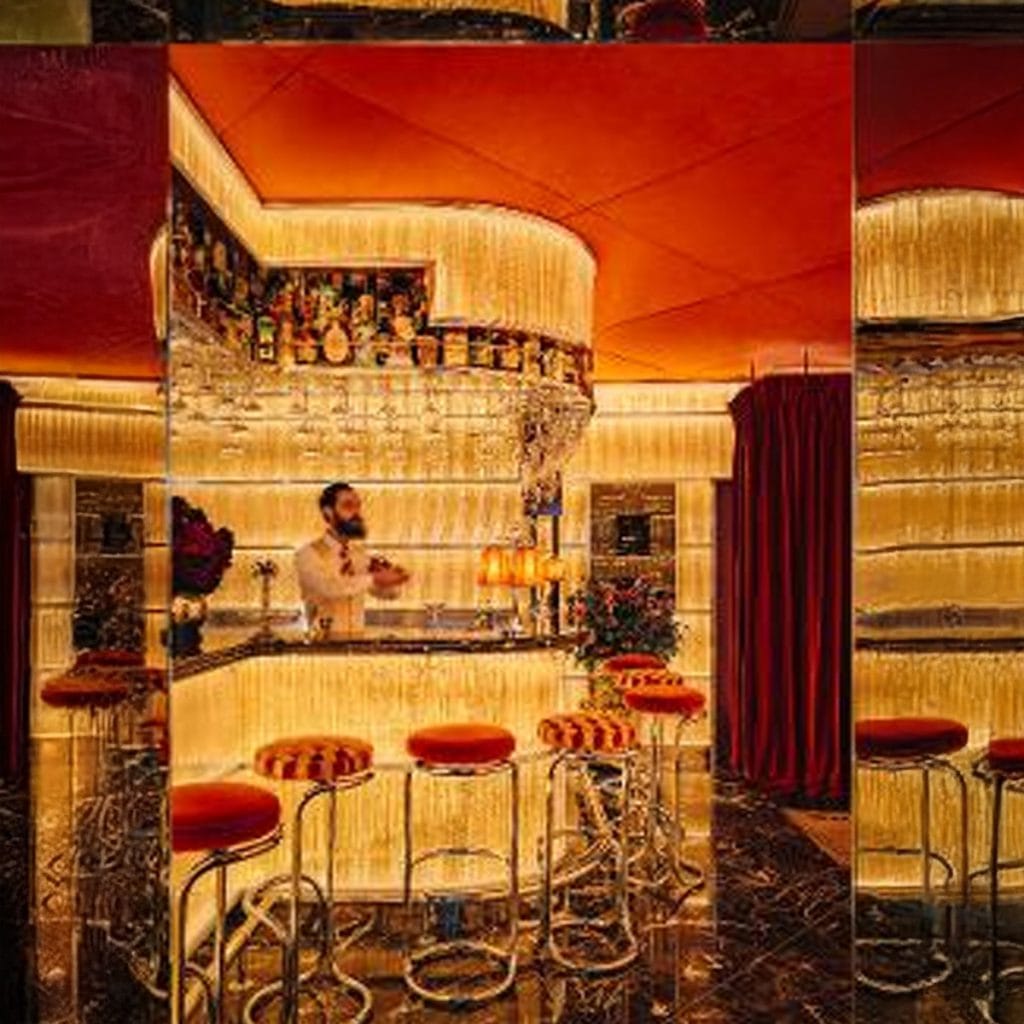
Nestled on Marylebone Lane, just a short stroll from the bustle of Oxford Street, Delamina Marylebone has been lighting up the neighbourhood since 2018. Step through the door at 56–58 and the traffic fades. In its place comes the smoky scent of the grill, the chatter of shared plates arriving, and a welcome so genuine it feels almost domestic. From the outset, the restaurant aimed to bring Tel Aviv’s sun-soaked food culture to central London, offering nourishment that is both vibrant and remarkably health-conscious. In doing so, it has become an address that locals recommend without hesitation and visitors seek out with purpose.
A Family Vision Rooted in Tel Aviv
Every element of Delamina stems from the partnership of Limor and Amir Chen. Amir supplies the operational know‑how he honed as a founding partner of the coffee chain Apostrophe. Limor supplies the inspiration: recipes lifted from her childhood kitchen, memories of spice markets, and a conviction that good food and good art serve the same human need for connection. Their collaboration began with a popular residency at Shoreditch House, followed by their first bricks-and-mortar venture in 2016, when Shoreditch’s Strut & Cluck focused on turkey as a lean protein. Two years later the pair broadened the concept, opened in Marylebone, and adopted the family name Delamina, derived from Limor’s Hebrew initials.
Although the group now spans three postcodes, each site keeps its own personality. Marylebone is the warmest, a snug two‑storey townhouse that feels equal parts caff and gallery. Delamina East still hints at its Shoreditch roots with industrial accents. At the same time, Covent Garden’s Delamina Townhouse offers a pared‑back refinement that suits theatreland pre‑show crowds. What unites them is narrative integrity: every dish, artwork and staff briefing circles back to one story, one couple and their memories of home.
Limor Chen, the Self Taught Chef Artist
Limor Chen’s culinary training happened nowhere near a brigade or college. Born in Tel Aviv to an Iranian father and a mother with Russian and Ukrainian heritage, she absorbed technique by osmosis, tasting her way through her father’s stews and experimenting with herbs he brought home in paper bundles. Her method is intuitive: start with produce at its peak, coax flavour through grilling or slow roasting, then finish with fresh herbs, citrus and spice. That approach underpins her cookbook, My Tel Aviv Table, which shares the ethos of honest food made to be passed across a crowded table.
Limor’s parallel life as an artist is equally important. Studies at Chelsea College of Art & Design, Central Saint Martins and an MA from Middlesex University inform installations that hang across the Delamina sites. These are not abstract backdrops; they are provocations. In Marylebone, Daughters of Zelophedad suspends ropes and flowers above the staircase, referencing a biblical inheritance battle and, by extension, female agency. In Shoreditch, Bound by Spice threads beakers of cardamom and cumin through knotted cords to evoke the ancient spice routes. The art does not simply decorate the space, it shapes the conversation, reminding diners that food, culture and politics share the same table.
A Dining Room That Feels Like Home
Marylebone’s ground floor greets guests with whitewashed brick, rattan chairs and booth seating upholstered in sage green. Potted ferns hang overhead, softening the industrial lighting and casting gentle shadows. Personal photographs appear in unexpected corners, a cue that the owners live the story they tell. Everything encourages ease. Tables are close enough for neighbours to borrow menu tips yet far enough to keep confidences. Downstairs, an intimate hideaway hosts private groups of up to 40, its walls displaying more of Limor’s art alongside shelves of preserved lemons and date syrup.
The design choice is deliberate. Middle Eastern meals are inherently social; platters arrive to be shared, discussed, refilled. A fussy, formal dining room would fight that instinct. Instead, the room invites diners to lean in, tear pita with their hands and gesture freely. Even at peak hours the atmosphere feels chatty rather than chaotic, helped by a front‑of‑house team whose enthusiasm rarely wavers. On sunny days a handful of pavement tables extend the party outdoors, where a post‑lockdown “Pita Bar & Cocktails on the Lane” proved so popular it remains a fixture.
A Menu Where Vegetables Lead
Read the menu and one point is clear: meat and fish share equal billing with plants. In fact, vegetables frequently headline. Charred cauliflower arrives bronzed and smoky, resting on a lemony crème fraîche, with pomegranate molasses providing a bright contrast. Crispy oyster mushrooms are paired with truffled artichoke mousse and a sprinkle of za’atar, offering a bite and depth of umami. Courgettes appear two ways, topped with pine kernels and crisp onions, while a classic smokey aubergine dip partners warm pita.
This plant‑first stance is not marketing tokenism. It reflects Limor’s belief that a well‑handled aubergine can be as thrilling as prime steak. The approach resonates with contemporary Londoners who want indulgence and nourishment in the same bite. It also anchors Delamina within the healthy eateries in Marylebone search set, a busy field where authenticity separates trend from staying power.
Fun Fact: Delamina’s charred cauliflower proved so popular that during the first lockdown the team sold more than 2,000 DIY cauliflower boxes for home cooks keen to master the dish.
Technique Meets Story on the Plate
Healthy does not mean austere. Signature dishes layer texture and spice with abandon. Moshe’s herbed and spiced koftas, named after Limor’s father, blend Angus beef and venison, then land on a swirl of hummus brightened by grilled onions. Za’atar king prawns are seared fast, paired with paprika aioli and shards of crispy kale. House beef shawarma, a nod to the Shoreditch turkey original, comes stuffed into pita with dates, pine kernels and fresh salad. Each plate is both comfort and conversation starter.
Sides deserve equal applause. Crispy rosemary potatoes rest on garlic yoghurt, stealing attention from whatever mains share the table. Desserts finish strong: kadayif pastry nests cradle vanilla cheesecake cream under caramelised pecans, while a chocolate and praline ganache, finished with olive oil and raspberries, draws near‑reckless spoon duels.
By balancing indulgence with grill‑led cooking and fresh herbs, Delamina delivers what many Londoners now demand: dishes that feel good in the moment and leave no regret afterwards.
Signature Plates Worth Sharing
Ordering at Delamina is best treated as a group exercise. Begin with Mazetim, a flurry of small bowls: house hummus pulsing with tahini, smokey aubergine dip, labneh sprinkled with za’atar, feta drizzled with honey, warm mixed bread. The table quickly resembles an edible colour‑wheel. Main courses amplify the spectacle.
Charred cauliflower remains an icon, yet newcomers often fall hardest for the crispy oyster mushrooms, their ridged edges mimicking fried chicken while offering lighter pleasure. The grilled courgette dish, served “two ways”, exemplifies Limor’s talent for letting humble produce show off. Meat eaters find depth in Moshe’s koftas and the house beef shawarma, though honest appraisal shows occasional lapses: Time Out once reported turkey shawarma as dry, and a handful of OpenTable diners noted under‑seasoned lamb. Such critiques matter because they prove the kitchen is human, not factory‑perfect. Still, the ratio of praise to grumble leans decisively positive.
Seafood is handled with the same clarity. Seared tuna arrives ruby at the centre with a baharat and honey glaze; cod brings chermoula and Israeli couscous; a whole seabass, butterflied and roasted on charcoal, turns heads every time a waiter carries it upstairs. Where prawns are concerned, one critic found them “inedible”, but on most days patrons describe them as juicy and well‑spiced. The lesson is simple: popularity brings volume, and volume occasionally nudges consistency.


Brunch Cocktails and Wine Adventures
Weekends in Marylebone would not feel complete without brunch, and Delamina throws a brunch that breaks the poached‑egg mould. From 10:30 am on Saturdays, Sundays and bank holidays, generous sharing menus (£30 or £37 a head) set a leisurely tone. The Classic Shakshuka arrives bubbling hot, eggs nestled in a rich tomato-pepper sauce. Its green cousin mixes spinach, leeks and feta. An inventive Benedict Balagan tops bread with shawarma and fried egg, while mezze plates keep forks busy between conversations.
Liquid refreshment follows the kitchen’s lead. House cocktails incorporate the same herbs and spices found on the plate. Pomegroni twists the negroni template with barberry‑infused gin and pomelo Campari. Tequila Stella combines sumac-infused tequila with lemon, agave, and tonic. The Silk Road merges lemongrass and ginger‑infused gin with vermouth rosso. The wine list, curated by region rather than convention, showcases bottles from Israel, Lebanon and Palestine, pushing many diners beyond their comfort zones and rewarding curiosity.
A snapshot of Eastern Mediterranean wine currently poured by the glass:
- Binyamina Moshava Chardonnay
- Maia Mare
- Coteaux Du Liban
- Barkan Classic Argaman
- Cremisan Wine Estate Baladi
Critical Reception and Local Loyalty
Professional critics have lavished Delamina with warmth. Mayfair Foodie labelled it “a ray of Eastern Mediterranean sunshine”. The Arbuturian praised dishes as “sublime” and deemed the chocolate mousse “as good as any in London”. About Time wrote that the cooking “took us to our yearly pilgrimages to Tel Aviv”. Online platforms echo the sentiment: 4.5 stars from 1,476 OpenTable reviews, 9.2/10 on TheFork, a raft of glowing comments on SquareMeal.
Balanced scrutiny, however, points to areas that need vigilance. Time Out’s three‑star judgement singled out soggy cauliflower and dry turkey. A scattering of diners have noted flabby salmon, tasteless lamb or service stretched thin during peak hours. These voices do not diminish the overall verdict but remind would‑be visitors to expect occasional imperfections at a busy, family‑run venue.
Crucially, the restaurant treats critique as feedback rather than offence, tweaking seasoning, refining service drills and, when necessary, apologising outright. That responsive posture protects its reputation and reinforces trust.
Private Dining and Community Spirit
Delamina’s contribution to Marylebone reaches beyond the plate. The downstairs room, which can accommodate up to 40 guests, is ideal for birthdays, engagement parties, and informal business gatherings. An eight‑seat nook caters for smaller gatherings that require privacy without pomp. During December, special festive menus transform the space into a neighbourhood living room, candles flickering against white brick while the smell of mulled wine drifts upstairs.
Local businesses champion Delamina as their preferred lunch spot. The owner of the nearby Xtend Barre studio calls it her favourite restaurant in Marylebone, a testament to a relationship built on repeated, everyday visits rather than headline launches. Amir Chen frames the philosophy succinctly: “The restaurant is an extension of our home and our team has become part of our family.” That sentiment travels from management to the frontline, creating the intangible warmth that separates a good meal from a truly memorable one.
Why Delamina Matters to Marylebone
Marylebone boasts numerous polished restaurants, yet Delamina occupies a distinct niche. It delivers Eastern Mediterranean cuisine that feels current without pandering to fashion, balances indulgence with wellbeing, and wraps it all in a narrative steeped in family and art. The Chens translate heritage into hospitality in a way that invites everyone to participate. From weekday lunches to landmark celebrations, the room adapts while its core identity remains intact.
Ultimately, Delamina’s significance extends beyond its grilled cauliflower and cleverly spiced cocktails. It lies in showing how a sincere story, told through food, space and service, can anchor a restaurant in a crowded city. Like a well‑loved family album, every visit adds another page, another shared memory, another reason to return. As the saying goes, “Fine words butter no parsnips” - but at Delamina, fine words meet fine cooking, and Marylebone is richer for it.