Step off bustling Marylebone High Street and follow the quieter cobbles of Moxon Street. A vibrant still-life of seasonal fruit and vegetables greets the eye, arranged beneath the black letters of La Fromagerie Marylebone. The display signals a philosophy of terroir and seasonality before a visitor even reaches the door. Approach and the air changes. Warm notes of ripening cheese mingle with the scent of crusty bread and rich Florentine coffee. It feels less like retail and more like stepping through a portal into an agrarian landscape where craft, provenance and hospitality are inseparable.
La Fromagerie occupies a unique position in the neighbourhood. It is at once a cheesemonger, a gourmet pantry, an all-day café and a classroom. Regulars describe it as a "home from home for food lovers". Critics call it the essential local that every postcode needs. To understand why, begin with the tale of an accidental entrepreneur whose single taste of Alpine cheese reshaped London's food culture.
Patricia Michelson and the Serendipity of Beaufort
In 1991, Patricia Michelson was skiing in Méribel when a tumble left her bruised and hungry. She limped into a village shop named La Fromagerie, tasted Beaufort Chalet d'Alpage and felt restored. Determined to bring that flavour home, she asked for "un pièce" rather than "une tranche". She found herself leaving France with an entire sixty-kilogram wheel in the boot of her car.
Back in Highgate, she installed the wheel in a garden shed cooled by a salvaged pub fridge and began selling wedges to neighbours. Demand outpaced supply. A stall at Camden Lock followed, its neat cheese rounds standing out among incense burners and vinyl crates. By 1992, Michelson had opened her first bricks-and-mortar shop in Highbury. The flagship on Moxon Street arrived ten years later, joined by Bloomsbury in 2017.
Michelson's vision was clear from the start. She wanted customers to handle produce directly, so no serve-over counters interrupted the relationship between hand and ingredient. She travelled Europe, forging friendships with farmhouse producers who used milk from their own pasture-fed herds. Quality, not category expansion, drove her buying. If a cheesemaker introduced her to a neighbour making olive oil or salume, she stocked that too, letting the range grow organically. The café emerged in the same way: a simple communal table that let people taste the shop's goods became an instant hit and has never looked back.
From Garden Shed to Village Icon
Every element inside Marylebone's branch supports the idea of a domestic larder at generous scale. Wooden shelves rise to the ceiling, packed with jars of cassoulet, Italian polenta, aromatic honeys and single-estate oils. Baskets of walnuts sit beside sacks of heritage flour. Staff circulate with calm purpose, ready to offer a taste or recommend a pairing. At the room's centre, a long oak table seats strangers elbow-to-elbow, encouraging shared discovery rather than private consumption.
The location itself carries strategic significance. Two decades ago the Howard de Walden Estate sought independent traders who could anchor a renewed Marylebone Village. Michelson, who grew up nearby, fitted the brief. Her commitment to authenticity drew footfall that boosted neighbouring shops such as The Ginger Pig and the farmers' market. Locals credit La Fromagerie with having shaped the district's modern reputation for artisanal food culture. Michelson, in turn, speaks of Marylebone as "home for the heart of the business".
Stepping Inside the Cheese Room
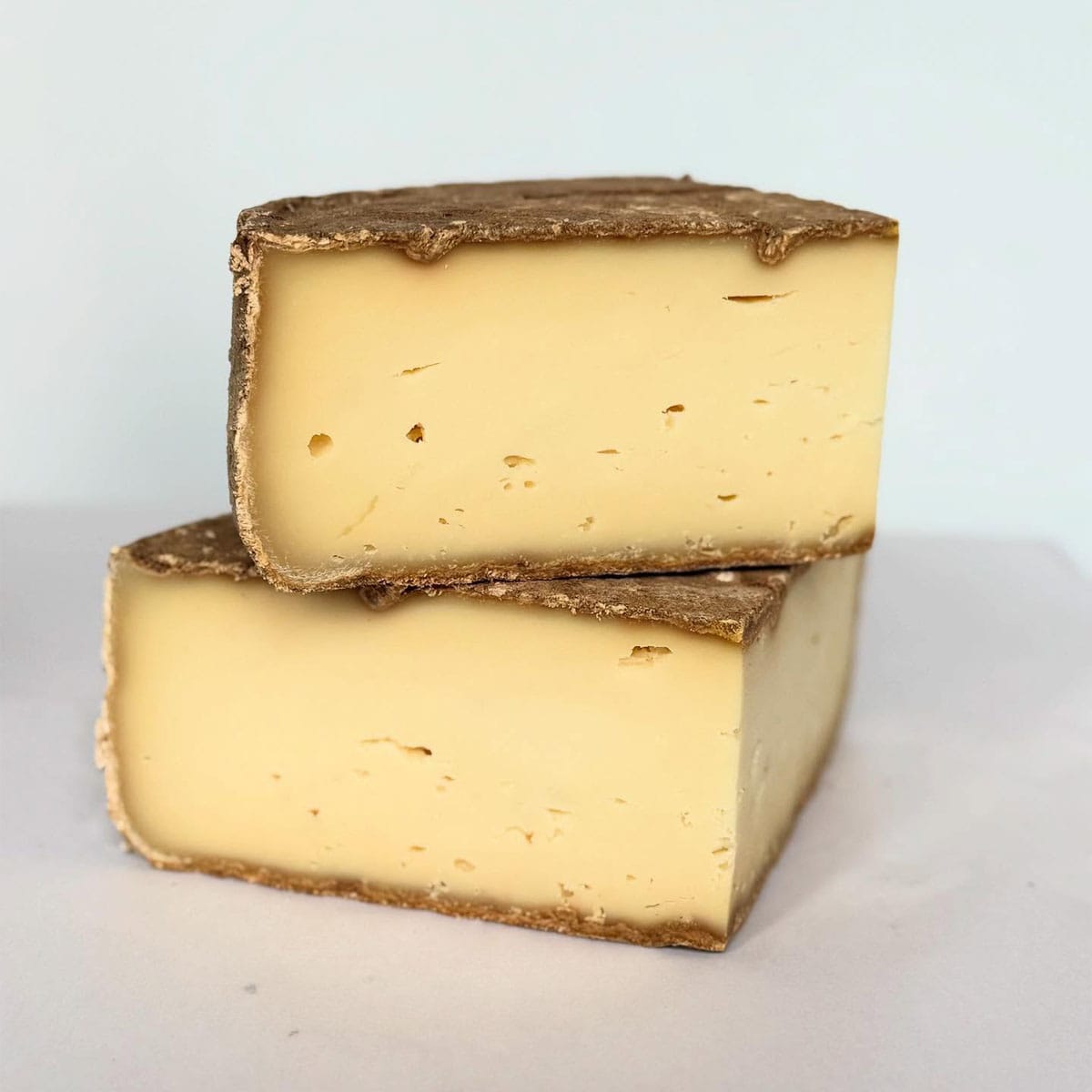
Past the shelves, a glass door leads to the walk-in cheese room. Temperature and humidity hover at levels that coax bloom on rind and slow enzymatic change in paste. More than two hundred varieties rest on wooden boards. Alpine wheels rub shoulders with cloth-bound Cheddars and spruce-wrapped Vacherin. Labels handwritten in chalk offer origin, milk and flavour cues, yet the true guides are the cheesemongers: Stephen, Max, Josh and their colleagues. They cut samples with wire, encourage sniffing of rinds, and explain why an autumn Beaufort tastes different from a spring batch. For newcomers, the breadth may feel overwhelming, so the team suggests a handful of signatures.
Fun Fact: Every December, the shop sells so many wheels of Vacherin Haut-Doubs that staff commission a special articulated lorry to transport them from the Jura before holiday queues build at Calais.
Signature Cheeses to Seek Out
| Cheese | Origin | Milk | Character |
| Beaufort Chalet d’Alpage | Savoie, France | Raw cow | The cheese that sparked Michelson’s journey. Firm yet silky, with alpine flowers and roasted nuts on the palate. |
| Comté d’Estive | Franche-Comté, France | Raw cow | Buttery, sweet and redolent of hazelnut because Montbéliarde cows graze summer pastures at altitude. |
| Keen’s Farmhouse Cheddar | Somerset, UK | Raw cow | Tangy, earthy and deeply savoury. A benchmark for traditional Cheddar. |
| Stinking Bishop | Herefordshire, UK | Pasteurised cow | Washed in perry from Stinking Bishop pears, pungent outside yet gentle and creamy within. |
| Vacherin Haut-Doubs | Jura, France | Raw cow | Seasonal spoonable cheese wrapped in spruce bark that lends a resinous note, perfect baked like fondue. |
Each cheese continues its life in La Fromagerie's own maturation rooms beneath the shop until texture and flavour reach a peak. This commitment to affinage guarantees that customers meet a product at its best rather than merely at its most convenient.
Café No 6 Brings the Larder to the Plate
The in-house café, known as No 6 Cheese & Wine Bar, began with twelve seats and a plan to serve whatever the counter offered that morning. It helped pioneer the small-plate culture now common across London. Today breakfast might feature organic boiled eggs with Poilâne soldiers or a toasted sandwich of Montbéliarde ham and Gruyère. A changing lunch board lists charred leek and goat's cheese tart, wild boar ragù on pappardelle or herb-roasted squash with ricotta.
Cheeseboards remain the star attraction, curated by the nation. Order the British board and receive Keen's Cheddar, St James washed-rind sheep's cheese and Cornish Yarg wrapped in nettles, each with a printed tasting card. Staff pour a flight of English sparkling wine or sherry to match, turning a casual bite into an education.
Education, Events and Community
La Fromagerie hosts workshops that sell out weeks ahead. Monday Night Suppers pair three cheeses with seasonal dishes and conversation led by Michelson herself. Friday evenings transform the communal table into a lively wine bar. The academic side is formalised through accreditation with the Academy of Cheese: Level One and Level Two courses run under the guidance of senior cheesemongers, training the next generation of experts.
Collaborations strengthen neighbourhood ties. During the annual Marylebone Food Festival, the shop teams with Sacred Gin for cheese-and-spirits pairings. Guest producers visit from the Jura or the Basque Country to explain their craft. Children's tastings demystify strong aromas and encourage adventurous palates.
Service and Reputation
What distinguishes the experience is human warmth. Staff treat questions as opportunities, not interruptions. Ask for a blue cheese suitable for a timid palate and you may leave with a wedge of Bleu du Vercors together with a recipe for chicory, pear and walnut salad. Hospitality of this calibre has earned high praise. Time Out declared La Fromagerie's cheeseboard "possibly the best in London". The Good Food Guide lists it as a Local Gem. Film star and cookbook author Stanley Tucci calls it essential in his London itinerary. At the same time, Angela Hartnett and Gordon Ramsay stock their kitchens with its wheels.
Michelson's peer recognition peaked at the World Cheese Awards, where she received the Exceptional Contribution to Cheese honour. Few founders can claim a legacy that spans retail, education and wholesale supply at this scale while retaining the spirit of a family business.
The Kitchen Shapes the Menu
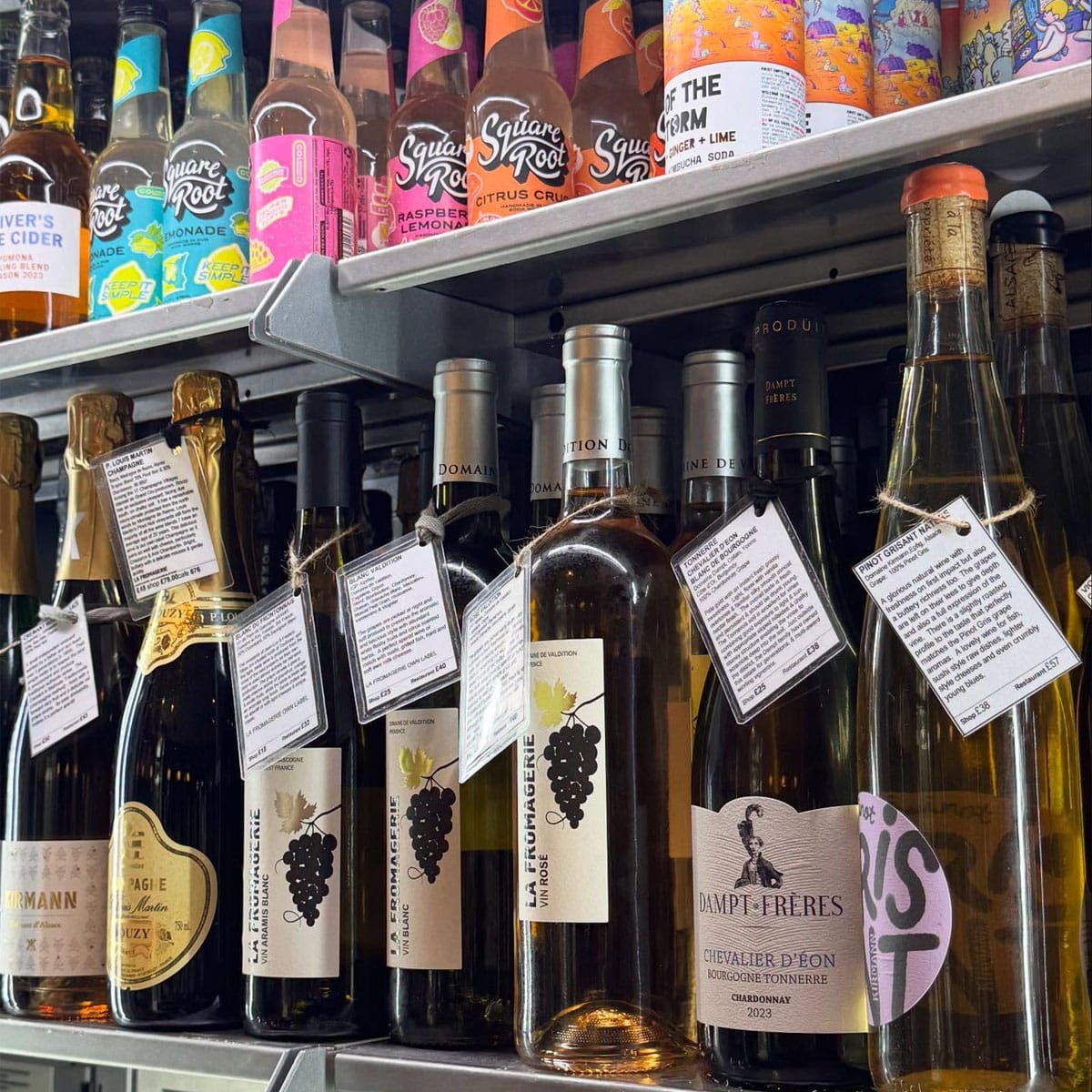
The food coming from No 6 Cheese & Wine Bar feels spontaneous yet follows a strict set of producer relationships. Head Chef Alessandro Grano calls growers by first name and checks ripening calendars before designing dishes. Spring brings Gariguette strawberries for balsamic panna cotta. Summer features Isle of Wight tomatoes layered with Bufala mozzarella. Autumn delivers girolle mushrooms folded through tagliatelle enriched with Beaufort. Winter revives comfort by pairing Vacherin Haut Doubs with roast potatoes and pickled cornichons. Every plate respects the cheese first, using vegetables, pulses and herbs to frame its texture and temper its salt. Wine follows the same logic. Bottles arrive directly from small domaines where vineyard soils echo the pasture characters that shape raw milk.
Protecting Flavour in Transit
Online orders now account for a fifth of turnover. Each cheese sits in a recycled fleece liner with reusable ice packs that hold a stable five degrees for forty-eight hours. Boxes leave the chilled warehouse at midday, ride overnight in temperature-tracked vans and reach most UK addresses before breakfast. A QR code on the dispatch note links to tasting videos recorded in the Marylebone shop, so first-time customers can cut and serve with confidence. Seasonal cheeses travel on fixed schedules. Vacherin ships only Monday to Wednesday in winter to avoid weekend delays. Blue cheeses ride in individual waxed wraps that allow the surface to breathe. This obsessive control shares the shop experience with households from Penzance to Inverness while safeguarding the integrity that producers expect.
A Magnet for Village Commerce
Howard de Walden Estate planners say La Fromagerie lifted footfall on Moxon Street by twenty percent during its first three years. Shoppers drawn by the cheese room wander next door to The Ginger Pig, then cross to Rococo Chocolates or head round the corner to the farmers' market. Property agents note that flats above the shop achieve a rental premium because residents enjoy what they call a "curated high street". The shop reciprocates by sponsoring local school garden projects and donating leftover bread to Marylebone FoodCycle volunteers. The result is a feedback loop in which commerce, community and education reinforce one another.
Where It Sits in London's Cheese Scene
London hosts excellent cheesemongers, yet few match the breadth and maturity programme found here. Neal's Yard Dairy specialises in British styles and excels at them. Paxton & Whitfield carries venerable French names with a ceremonial flourish. La Fromagerie bridges both while adding Alpine rarities, American experiments and seasonal raw milk soft cheeses that others avoid because of short shelf life. Its ripening rooms allow stockists such as Angela Hartnett to request wheels at a specific day of maturity for service at Murano. That personal service and readiness to educate amateur and professional alike secure its leadership position.
Insider Tips for Visitors
- Arrive by 10 am on Saturdays to explore the cheese room before the lunchtime surge.
- Ask for a "Chef's Cut" if you need a small wedge of a large wheel. Staff will slice to weight rather than pre-wrapped sizes.
- The kitchen closes at 4 pm sharp. Coffee and cake continue until 5 pm.
- Monday Night Supper tickets release at 09 am on the first business day of each month and usually sell out within hours.
- A Food Standards Agency inspection on 29 July 2025 awarded a five out of five rating for hygiene, structure and management.
SEO Strategy and Content Opportunities
Writers building a guide should centre on the long-tail phrase "La Fromagerie Marylebone cheese room" to capture readers seeking the full sensory experience. Secondary clusters include "Marylebone cheese boards", "No 6 Cheese & Wine Bar menu" and "artisan cheese delivery UK". Link internally to nearby pages featuring The Ginger Pig, Marylebone Farmers' Market and Howard de Walden's history to deepen neighbourhood relevance. Outbound citations work best when pointing to producer websites or the Academy of Cheese. Avoid linking to rival London cheesemongers unless contrasting services.
Closing Reflection
La Fromagerie thrives because it refuses to treat cheese as a commodity. Each wheel carries a landscape, a herd and a maker's skill. By nurturing that chain from dairy to dining table, the shop has earned its status as the cathedral of cheese and the pillar of Marylebone Village. Visitors leave with more than provisions; they carry stories of pasture and craft that enrich every bite.
Continue Reading
The Marylebone Gazette
Delivered monthly to your inbox
Subscribe for the latest from Marylebone.