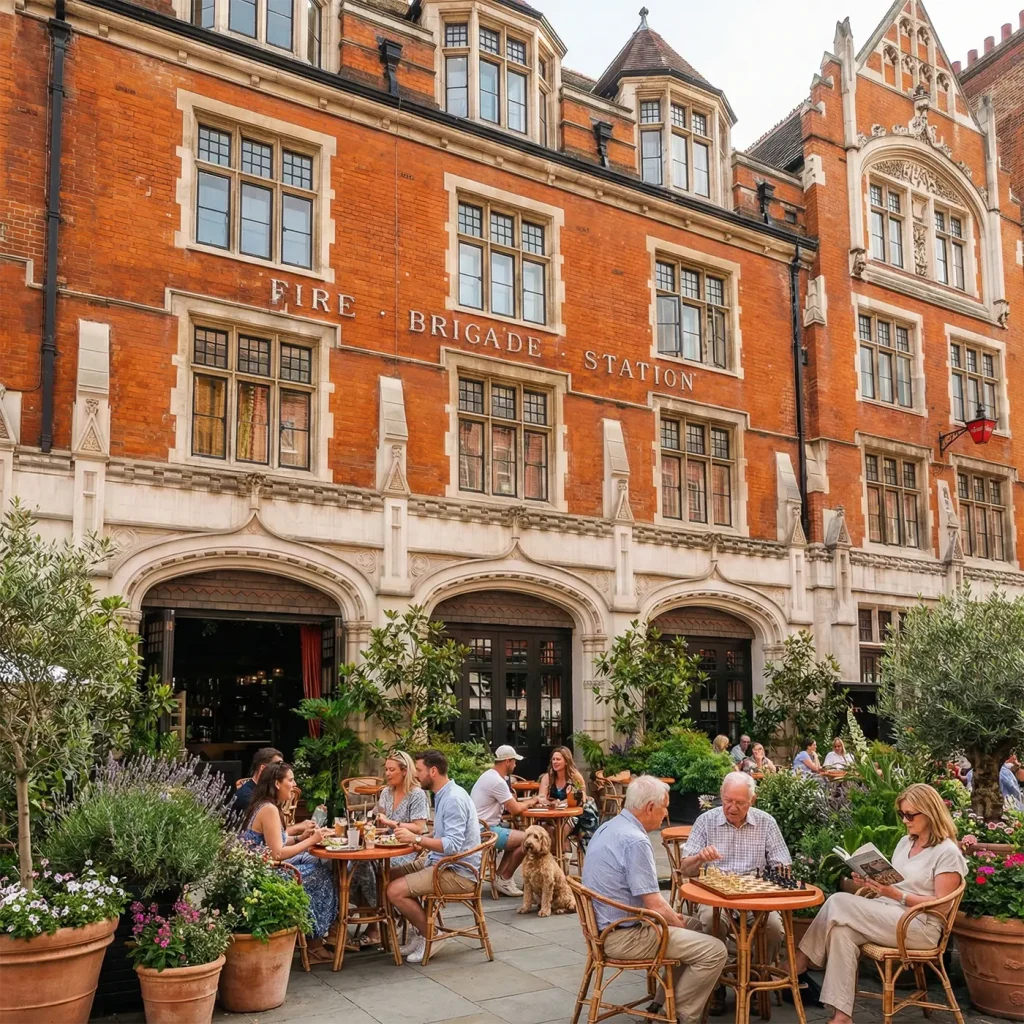
The definition of a good evening in central London used to be straightforward. A table at a restaurant, a show in the West End, drinks at a bar with enough atmosphere to justify the prices. That formula still works. But for a growing number of residents and visitors in neighbourhoods like Marylebone, the evening no longer ends when the front door closes. In many cases, that is where the most personalised part of the night begins.
Technology has not replaced the traditional London night out. It has extended it, reshaped it and, in some cases, made the at-home alternative just as compelling as the venue down the street. The shift is most visible in areas where disposable income, high-speed connectivity and a taste for curated experiences overlap. Marylebone sits squarely at that intersection.
The Rise of the Connected Evening
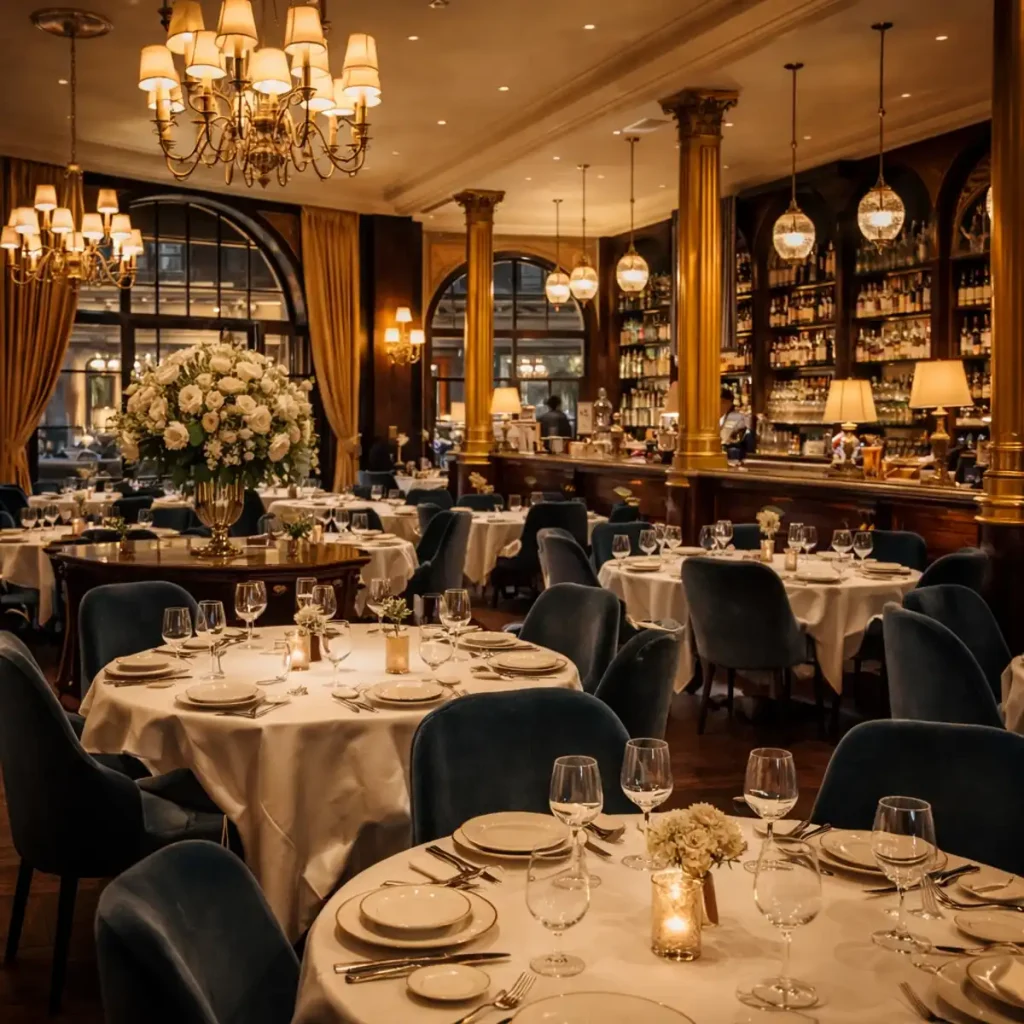
Walk along Marylebone High Street on a weekday evening and the restaurants are busy. The Ivy Cafe, LAVO on Marylebone Lane, Hoppers on Wigmore Street. These remain anchor points of the local social scene. But speak to residents and a different pattern emerges. The meal out is increasingly the first act rather than the whole show.
Back at home, the evening continues through screens. Streaming platforms have made on-demand film and television the default second half of a night out. Music services let listeners build playlists that match the mood of the evening without leaving the sofa. Interactive entertainment platforms, from live-streamed events to online casino platforms, have added another layer to what is possible within the walls of a London flat.
The numbers reflect this. Ofcom reported in 2025 that UK adults spend an average of four hours and two minutes per day engaging with online content, a figure that has climbed steadily since 2020. In central London postcodes, where broadband speeds and smartphone penetration run well above the national average, the figure is likely higher. The infrastructure for digital leisure is not just available in areas like Marylebone. It is excellent.
How Venues Are Responding
Physical entertainment venues have not ignored the shift. Across central London, hospitality businesses are investing in technology to keep pace with what customers can access at home.
Cocktail bars along Chiltern Street now use app-based ordering and personalised recommendation systems that learn customer preferences over time. Several restaurants in the Marylebone area have introduced digital wine lists that pair selections with tasting notes, vineyard histories and food-matching suggestions, a natural extension of the neighbourhood’s strong wine culture.
The Langham on Portland Place has integrated smart room technology that allows guests to control lighting, entertainment systems and room service from a single device. It is a hotel experience designed for people who expect their environment to respond to them rather than the other way around.
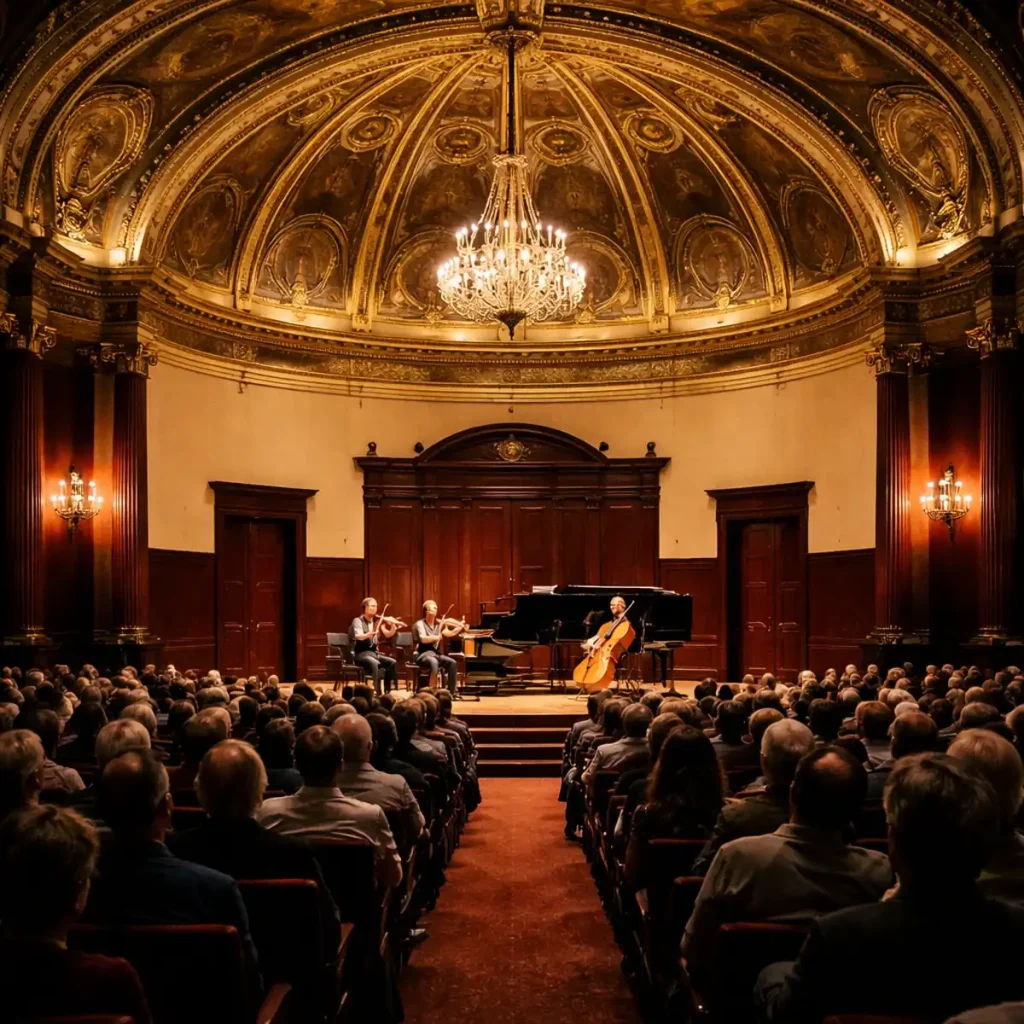
Even cultural venues are adapting. Wigmore Hall, one of London’s most respected classical music venues, expanded its digital programme significantly after 2020 and continues to offer high-quality livestreams that bring performances to audiences who cannot attend in person. The Wallace Collection on Manchester Square uses interactive digital guides that add context to its galleries without interrupting the physical experience.
These are not gimmicks. They represent a recognition that the audience for central London entertainment now expects seamless integration between the physical and digital parts of their lives.
The At-Home Entertainment Economy
For many Marylebone residents, the most significant change has been the quality and variety of entertainment available without leaving home. A decade ago, staying in meant television and perhaps a film. The options were passive and limited.
Today, the picture is different. Interactive gaming platforms offer experiences that are social, strategic and engaging in ways that passive viewing cannot match. Live-streamed concerts and theatre performances bring world-class talent into living rooms. Virtual reality, while still niche, is beginning to offer immersive experiences that blur the line between being at home and being somewhere else entirely.
The appeal is not purely about convenience. It is about control. Choosing exactly what to watch, play or listen to, at exactly the right moment, without the friction of booking, travelling or queuing. For residents in a neighbourhood where time is valuable and standards are high, that level of personalisation matters.
This does not mean Marylebone’s physical venues are losing relevance. The opposite appears to be true. Restaurants, bars and cultural spaces that offer something technology cannot replicate, the energy of a live audience, the quality of a meal prepared and served in person, the atmosphere of a beautifully designed room, are thriving precisely because they provide contrast to the digital default.
What Smart Leisure Looks Like in Practice
The most interesting development is not the competition between digital and physical entertainment. It is the way the two are merging.
A typical evening for a Marylebone resident might begin with a booking made through an app, move to a restaurant where the menu is accessed via QR code and the wine is chosen with the help of a digital sommelier, continue with a walk past the lit windows of Marylebone High Street, and end at home with an hour spent on an interactive entertainment platform before bed.
Each stage of that evening involves technology. None of it feels forced or unusual. That seamlessness is the hallmark of smart leisure. Technology does not announce itself. It simply makes the experience smoother, more personalised and more enjoyable.
Hospitality businesses that understand this are investing accordingly. The focus is not on replacing human interaction with screens but on using technology to remove friction and add options. The best venues in Marylebone, and across central London, are those that treat digital tools as part of the service rather than a substitute for it.
A Neighbourhood Built for What Comes Next
Marylebone has always attracted residents and visitors who value quality over quantity. The neighbourhood’s independent shops, considered restaurant scene and cultural institutions, reflect a preference for experiences that feel intentional rather than mass-produced.
That same sensibility now extends to digital entertainment. The platforms and services gaining traction in areas like Marylebone are those that prioritise quality, personalisation and user experience over volume and noise. It is a neighbourhood where people are selective about how they spend their time, whether that time is spent at a table on Marylebone Lane or on a screen at home.
As technology continues to reshape what entertainment means in central London, Marylebone is well positioned to lead rather than follow. The infrastructure is in place, the audience is engaged, and the neighbourhood’s long-standing commitment to quality ensures that only the best digital experiences will take root alongside its established physical offerings. The future of leisure in central London is not a choice between going out and staying in. It is both, blended together in ways that would have been unimaginable a generation ago.