In wine growing, biodynamics has moved from marginal practice to a serious point of reference for growers, buyers and drinkers seeking transparency, resilience and flavour that reflects place. By 2026, biodynamic viticulture will no longer be defined by mystique or counterculture. It is increasingly evaluated through soil health, vine balance and long-term vineyard performance, especially under climate pressure. For wine buyers and professionals, the appeal is practical as much as philosophical: biodynamic estates are proving better equipped to deliver consistent fruit quality while reducing dependency on external inputs.
This article explains what biodynamic viticulture really involves, why it matters for wine quality and climate adaptation, and how some of the most respected producers are applying its principles with rigour rather than dogma. It also addresses the common misconceptions, the scientific evidence, and the reasons biodynamic wines have become central to natural wine lists across Europe and beyond.
Understand what biodynamic viticulture actually means
Biodynamic farming treats the vineyard as a self-sustaining agricultural system rather than a site for crop extraction. Its foundations lie in early 20th-century agricultural theory, but its modern application is shaped by observation, soil science and long-term results rather than ideology.
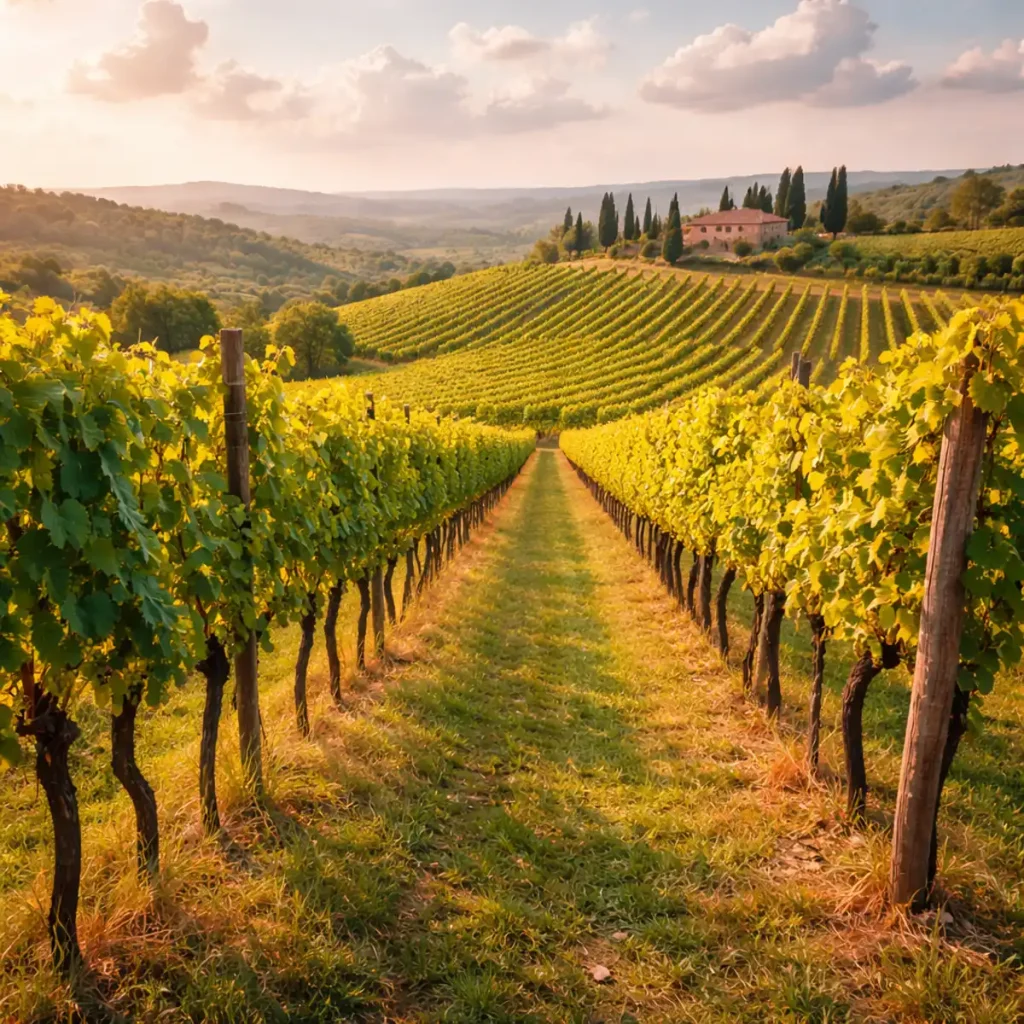
At the vineyard level, biodynamics builds on organic farming by excluding synthetic fertilisers, herbicides and pesticides, while adding an active focus on soil life, biodiversity and internal nutrient cycles. The vineyard is managed as a complete ecosystem, including soils, plants, insects, animals and the surrounding landscape.
Cover crops are central to this approach. Rather than bare soils, biodynamic growers encourage diverse plant species between vine rows. These plants fix nitrogen, reduce erosion, regulate water retention and support beneficial insects. Livestock may be introduced to graze cover crops and contribute manure, closing nutrient loops without reliance on external fertilisers.
The goal is not maximum yield but vine balance. Lower yields are accepted in exchange for healthier vines with deeper roots and more stable ripening patterns. For wine quality, this translates into fruit with better acid retention, phenolic balance and site expression.
Examine the role of biodynamic preparations in soil health
One of the most debated aspects of biodynamics is the use of specific natural preparations applied in small quantities to soils and vines. While often misunderstood, these treatments are increasingly discussed in agricultural research in relation to soil microbiology and plant resilience.
The most widely used preparations focus on soil structure and photosynthesis. Preparation 500, made from fermented cow manure, is applied to soils in diluted form to stimulate microbial activity and root development. Preparation 501, derived from finely ground quartz, is sprayed on vines to support photosynthetic efficiency and ripening.
In practice, growers use these preparations alongside compost teas and herbal infusions made from plants such as nettle, chamomile and horsetail. These are not fertilisers in a conventional sense. Their purpose is to encourage biological activity, disease resistance and balanced growth.
Recent soil studies across Europe suggest that biodynamic vineyards show higher microbial diversity and improved soil aggregation compared with conventionally managed sites. While causation remains debated, correlations between biodynamic practices and improved soil function are increasingly documented.
Learn why biodynamics supports vineyard resilience
Climate volatility has accelerated interest in biodynamic viticulture. Heat stress, drought, irregular rainfall and disease pressure now define the challenges facing wine regions across southern and central Europe.
Biodynamic soils typically contain higher organic matter levels than conventionally farmed soils. Organic matter improves water retention and soil structure, allowing vines to access moisture during dry periods while reducing runoff during heavy rainfall.
Because biodynamic vines are not fed with soluble fertilisers, root systems tend to develop deeper profiles. Deeper roots access a broader range of minerals and are less vulnerable to surface-level drought. This rooting behaviour is particularly valuable in regions facing repeated summer heatwaves.
Growers in Mediterranean regions such as Sicily, Greece and southern France report that biodynamic parcels often maintain vine function longer during drought periods than neighbouring conventionally managed blocks. While yields may be modest, fruit quality and physiological ripeness are often preserved.
See how biodiversity shapes wine flavour
One of the strongest arguments for biodynamics among wine professionals is flavour differentiation. Wines from biodynamic vineyards often display distinct aromatic complexity and textural precision, particularly when vinified with minimal intervention.
Biodiversity contributes indirectly to this outcome. Healthy soils support balanced vine growth, reducing the need for corrective actions in the cellar. Grapes tend to reach phenolic ripeness at lower sugar levels, preserving acidity and aromatic freshness.
In blind tastings, biodynamic wines are frequently noted for clarity rather than power. Tannins appear more integrated, fruit profiles more transparent and finishes more saline or mineral. These characteristics align closely with the preferences of natural wine drinkers and sommeliers seeking food compatibility.
It is important to note that biodynamics does not guarantee quality. Vineyard work, harvest timing and winemaking choices remain decisive. However, biodynamics appears to create conditions that allow growers to intervene less while achieving balanced results.
Meet producers applying biodynamics with discipline
Across Europe, a growing number of respected producers have adopted biodynamic farming without marketing spectacle. Their focus is practical performance rather than symbolism.
In Austria, biodynamic estates working with indigenous grapes such as Blaufränkisch and Grüner Veltliner have demonstrated consistent quality gains across vintages. These wines often combine freshness with structural depth, reflecting both soil health and restrained extraction.
In Greece, biodynamic approaches have supported the revival of grapes such as Xinomavro and Assyrtiko. On challenging soils and under extreme summer conditions, biodynamic parcels have shown improved vine balance and more even ripening.
In Portugal, biodynamic farming is increasingly visible in regions such as Bairrada and the Dão, where Atlantic conditions and fungal pressure demand careful vineyard management. Here, biodynamics is valued for disease resistance and soil vitality rather than ideology.
Understand the difference between organic and biodynamic certification
Organic and biodynamic certifications share core principles but differ in scope and ambition. Organic standards focus on the exclusion of synthetic chemicals and genetically modified organisms. Biodynamic standards extend further by requiring active soil regeneration, biodiversity measures and restricted cellar practices.
Biodynamic certification bodies such as Demeter and Biodyvin impose additional requirements, including the use of biodynamic preparations, composting protocols and limits on cellar additives. Sulphur dioxide thresholds are typically lower than organic limits, and spontaneous fermentation is encouraged.
For buyers and professionals, certification provides a baseline assurance but not a guarantee of quality. Many respected biodynamic growers operate without certification due to administrative burden or philosophical reasons. Conversely, certification alone does not replace critical tasting and producer knowledge.
Assess the scientific debate around biodynamics
Biodynamics continues to attract scepticism, particularly regarding its cosmological elements. References to lunar cycles and planetary rhythms are often cited as reasons to dismiss the practice.
However, many growers interpret these calendars pragmatically, using them as planning tools rather than deterministic rules. The core measurable benefits of biodynamics relate to soil biology, organic matter and biodiversity, areas increasingly supported by agricultural research.
Scientific literature on biodynamics remains mixed, but long-term field studies suggest positive outcomes for soil structure, microbial diversity and ecosystem stability. For wine professionals, empirical vineyard performance often outweighs theoretical debate.
Evaluate biodynamic wines in the context of natural wine
Biodynamics and natural wine are closely linked but not synonymous. Biodynamic farming addresses grape growing, while natural wine focuses on minimal intervention in the cellar. Many natural wine producers adopt biodynamics to secure healthy fruit capable of fermenting without additives.
From a sensory perspective, biodynamic fruit tends to ferment more reliably with native yeasts and less sulphur dioxide. This supports the production of stable wines without corrective measures, an essential requirement for natural wine distribution.
For consumers, biodynamic wines often offer consistency within natural wine selections. Fault rates are typically lower, and wines show better ageing potential than those made from stressed or chemically managed vineyards.
Recognise biodynamics as a tool rather than a belief system
The most successful biodynamic growers treat the approach as a framework rather than a doctrine. Observation, adaptation and site-specific decisions remain central.
Biodynamics requires more labour, deeper knowledge of the vineyard and greater sensitivity to seasonal variation. It rewards attention rather than shortcuts. For this reason, biodynamic wines often reflect the personality and commitment of their growers more clearly than conventionally farmed counterparts.
As climate challenges intensify, biodynamics is increasingly valued for its practical outcomes rather than philosophical origins. Its future relevance will depend on continued transparency, evidence and measurable vineyard performance.
Fun fact: Several long-term vineyard trials in Europe have shown that biodynamic plots often develop higher earthworm populations than conventionally farmed sites, a widely used indicator of soil health.
Decide how to choose biodynamic wines as a buyer
For buyers and consumers, selecting biodynamic wines requires more than reading labels. Understanding the producer’s broader approach is essential.
Look for growers who combine biodynamic farming with restrained cellar practices. Wines should taste clean, balanced and expressive rather than extreme. Transparency about sulphur levels, harvest dates and fermentation methods is a positive indicator.
Independent merchants specialising in natural and low-intervention wines are often best positioned to curate reliable biodynamic selections. These retailers taste extensively and monitor producer consistency across vintages.
For online buyers, seek detailed product descriptions that reference vineyard practices, grape sourcing and winemaking choices. Avoid marketing language that substitutes philosophy for substance.
Consider why biodynamics matters beyond wine
Biodynamic viticulture sits within a wider conversation about agricultural sustainability, food systems and land stewardship. Its emphasis on closed loops, biodiversity and soil regeneration aligns with broader efforts to reduce environmental impact.
While biodynamics is not a universal solution, it offers a compelling model for perennial crops such as vines. Its lessons extend beyond wine into horticulture, farming and landscape management.
For wine professionals, biodynamics provides a vocabulary for discussing quality that goes beyond grape variety or brand. It reconnects wine to land, labour and long-term thinking, values increasingly relevant in a resource-constrained world.
Conclude by tasting with curiosity and context
Biodynamic wines are not defined by uniform flavour or style. Their common thread lies in vitality, balance and a sense of place that feels unforced. As the wine world moves further into the realities of climate change and consumer scrutiny, biodynamics offers both practical tools and philosophical clarity. For readers exploring biodynamic wines in 2026, the invitation is simple. Taste widely, ask informed questions and judge each bottle on its merits. The most convincing argument for biodynamics remains the glass itself.