In London, where social calendars tend to fill up quickly and the pace rarely slows, choosing to do less has started to carry a different kind of meaning. What once felt like missing out is increasingly being reframed as something far more valuable, the ability to step back, take control of your time and define your own pace.
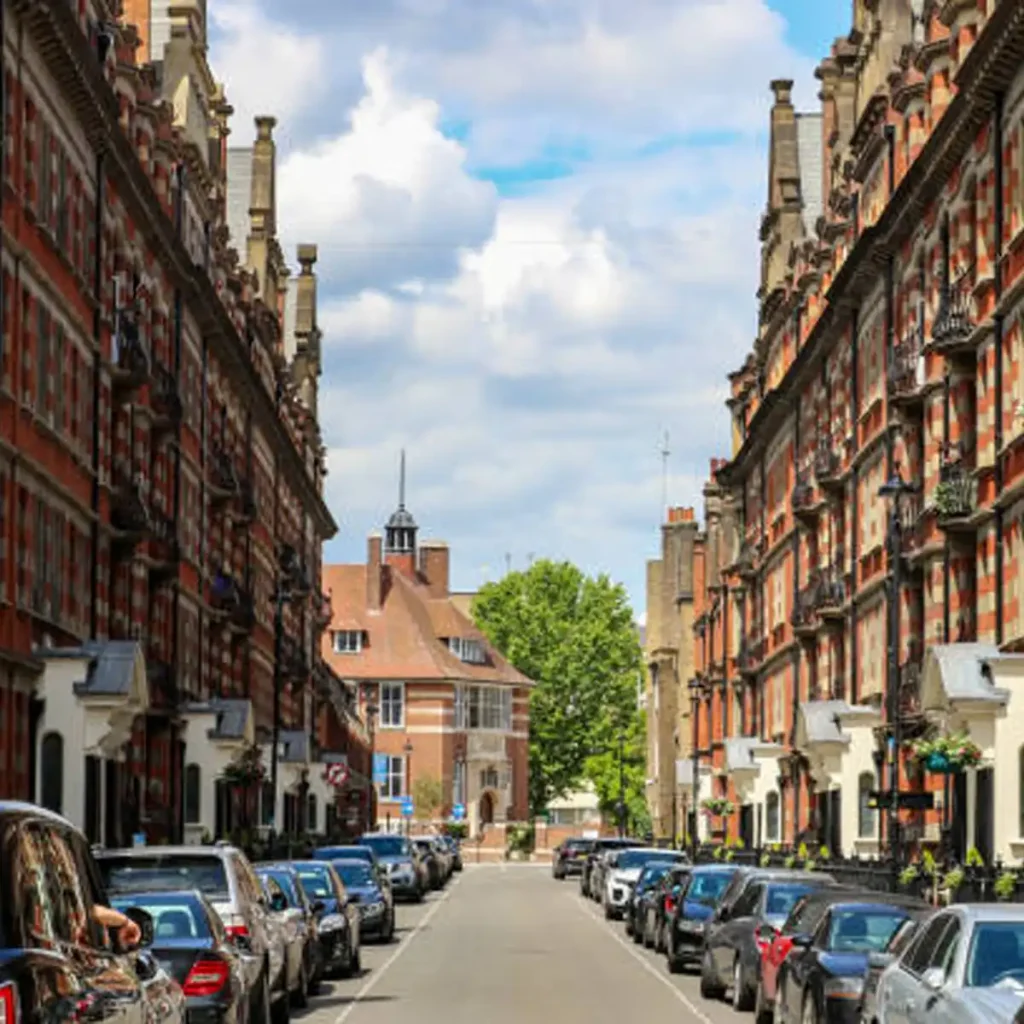
In areas like Marylebone, this change is becoming more visible. Evenings are no longer measured by how many places you visit or how busy your schedule looks, but by how intentionally you choose to spend your time. This subtle change is not always obvious, but it is increasingly shaping how urban lifestyles evolve across the city.
The New Meaning of Luxury in Modern London
For years, luxury in London was closely tied to visibility. Being out, being seen and being part of the city’s social rhythm defined what a “good evening” looked like. Restaurants, bars and events were central to that experience.
Today, that definition is evolving.
Luxury is becoming less about access and more about control. The ability to choose how to spend your time, to slow down when needed and to step away from constant stimulation is increasingly seen as a privilege in itself.
This shift is also reflected in how people engage with media and entertainment in their daily lives. Recent UK data shows that audiences now spend an average of over four hours a day consuming video content at home, highlighting how time spent in personal spaces has become central to modern routines, as explored in recent research on how media habits are changing across the UK.
Why Doing Less Is Becoming More Valuable
One of the most noticeable changes is the growing appreciation for simplicity. After days filled with work, commuting and constant digital interaction, many people are rethinking what they want from their evenings.
Rather than filling every gap in their schedule, there is a move towards creating space. Space to unwind, to disconnect and to engage in activities that feel restorative rather than demanding.
Even in neighbourhoods known for their vibrant social scenes, with countless options ranging from restaurants to local pubs and bars, staying in has gained a different kind of appeal. It offers a sense of ease that is often difficult to replicate outside, especially when compared to the unpredictability of busy urban environments.
This preference is not about rejecting social life altogether, but about rebalancing it. People are becoming more selective with how and when they go out, choosing moments that feel more meaningful rather than habitual.
Control and Time as the New Status Symbols
In many ways, control has become the new status symbol, not in a material sense, but in how individuals manage their time and attention.
Staying in allows for a level of personalisation that going out rarely offers. Everything from the pace of the evening to the environment itself can be shaped according to individual preferences. There are no fixed schedules, no external pressures and no need to adapt to crowded spaces.
This reflects a broader shift in behaviour. As digital platforms continue to fragment attention across different formats, people are increasingly choosing when and how to engage, rather than passively consuming content throughout the day.
Where Digital Experiences Fit Into This Shift
Over time, this redefinition of how evenings are spent has started to reshape not only routines, but also expectations around leisure itself. What people look for is no longer tied to specific places or fixed plans, but to experiences that can adapt naturally to their pace and mood.
The change can be seen both in how people organise their time and in the kinds of experiences they gravitate towards. Instead of relying on location-based plans, there is a growing preference for options that are easy to access and fit around individual habits.
Part of this evolution can be traced back to the pandemic years, when time spent at home increased significantly and digital platforms became a primary source of entertainment. While overall viewing time has since levelled out, those behaviours have not disappeared. They have simply shifted into more flexible, selective patterns, where people decide more consciously when and how to engage.
Services like Admiral Casino sit comfortably within this wider movement, offering digital environments that can be accessed on demand, without the need to commit to a specific place or schedule. It mirrors a broader transformation seen across streaming, music and other online experiences, where flexibility and control have become central to how time is spent.
A More Intentional Way to Spend Evenings
What makes this shift particularly interesting is how deliberate it has become. Choosing a quiet evening is no longer about a lack of options, but about prioritising what feels meaningful.
For some, it means disconnecting completely. For others, it involves engaging with content or activities that fit their mood without the structure of a planned night out.
London remains one of the most dynamic cities in the world, and its social life continues to thrive. But the relationship people have with it is changing. Going out is becoming more selective, while staying in is gaining its own sense of value.
The Future of Urban Living and Leisure
As lifestyles continue to evolve, this redefinition of luxury is likely to become even more prominent. Flexible working patterns, constant connectivity and increasing awareness of wellbeing are all contributing to a new way of thinking about time.
For many Londoners, the ultimate luxury is no longer about being everywhere at once, but about having the freedom to choose when to step back.
And in a city that rarely pauses, that choice may be one of the most valuable things of all.