Manchester Square in Marylebone is one of those London addresses that reveals its quality slowly. You enter from Wigmore Street, turn into the square, and find yourself looking at Hertford House: a late 18th-century mansion that houses one of the most significant collections of art, furniture, arms and armour, and decorative objects assembled in private hands in European history. The Wallace Collection in London is not a well-kept secret in the sense of being obscure; it is well-kept in the sense that its scale, the quality of individual works, and the intimacy of the setting are genuinely surprising to visitors who arrive expecting a standard municipal gallery experience.
The collection was built across four generations of the Seymour-Conway family, Marquesses of Hertford, and substantially extended by Sir Richard Wallace, whose widow bequeathed the entire collection to the British nation in 1897 on the condition that it remain in central London and never be lent out. That second condition is the reason that visiting the Wallace Collection at Manchester Square, W1U 3BN, is the only way to see the works: nothing travels. In 2026, admission remains free, which makes it one of the most extraordinary free cultural experiences in the world.
Why the Wallace Collection Is Unlike Any Other London Gallery
The Wallace Collection occupies a unique position in London's cultural landscape because it is neither a national museum assembled for public education nor a contemporary gallery programme. It is the private collection of a family with exceptional wealth, exceptional taste, and a 19th-century European collector's access to works that would now be in national institutions or major auction records. The result is a collection that rewards sustained attention in a way that larger museums often cannot, because the 25 galleries of Hertford House are scaled to private habitation rather than institutional display.
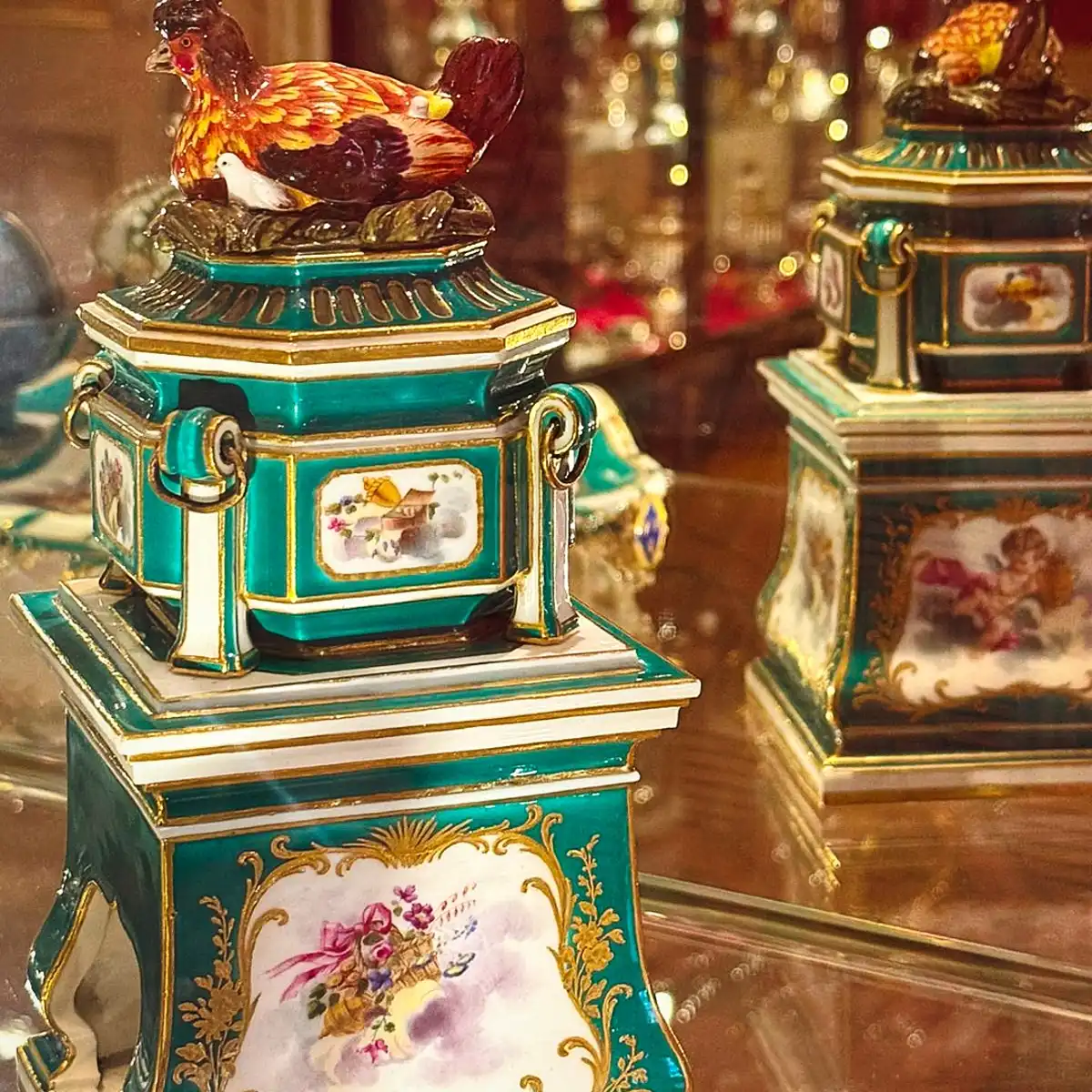
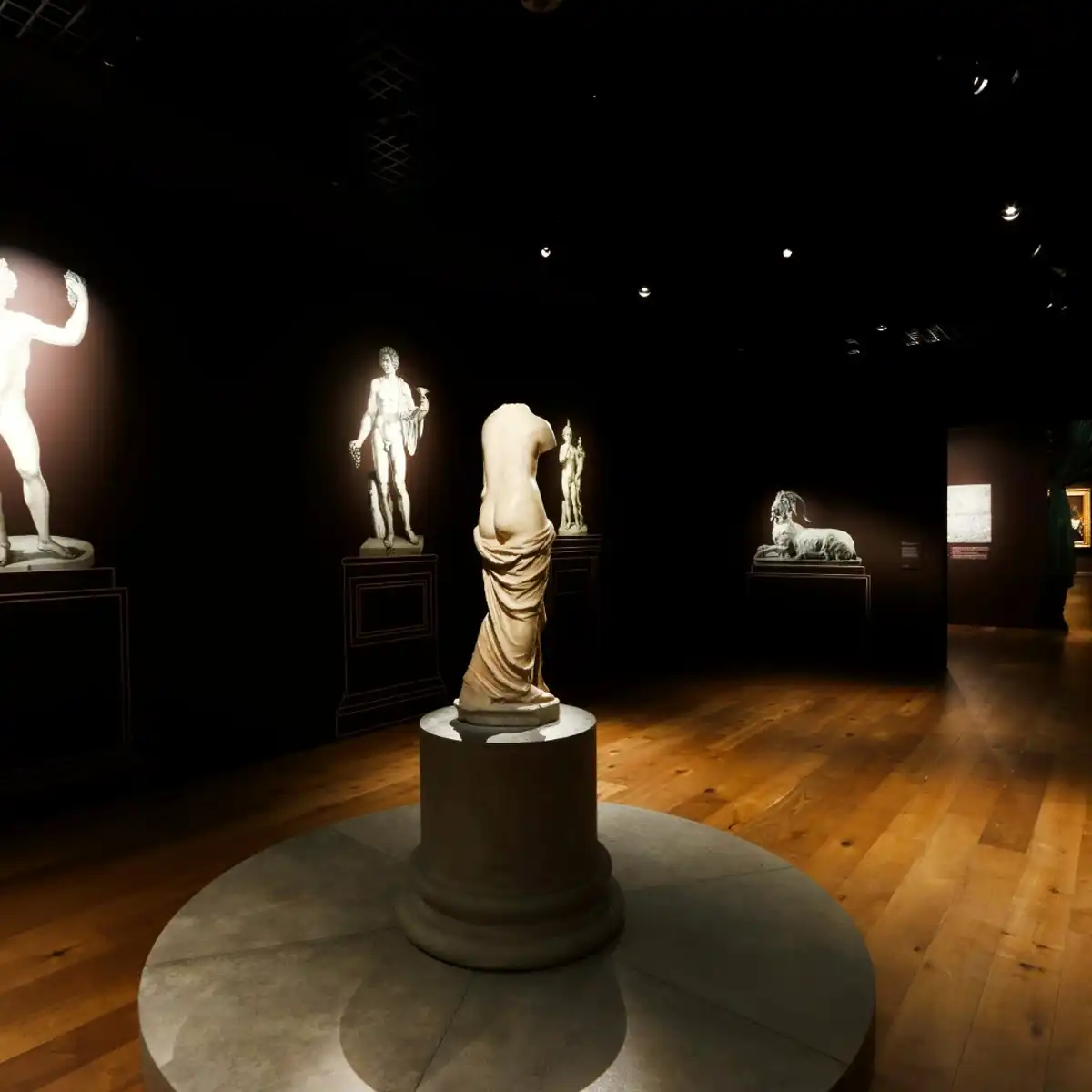
The concentration of masterworks per square metre in the Wallace Collection is exceptional by any standard. Rembrandt, Rubens, Titian, Velazquez, Gainsborough, Poussin, and Watteau are represented by works that would anchor the European painting gallery of any major museum. Alongside the paintings sit one of the finest collections of French 18th-century furniture outside the Louvre, armour and weapons that range from medieval tournament equipment to 17th-century Japanese samurai pieces, and Sevres porcelain in a quantity and quality that is unmatched in Britain.
The Works You Should Not Miss on Your First Visit
On a first visit to the Wallace Collection, three rooms and a handful of works deserve priority attention before anything else.
The Great Gallery on the first floor houses the majority of the collection's major paintings. Frans Hals's "The Laughing Cavalier" (1624), one of the most reproduced portrait paintings in European art and one of the most immediately recognisable, hangs here. Its direct address to the viewer, the precision of the lace and embroidery detail, and the specific quality of the expression that earns the title are all significantly more present in front of the original than any reproduction suggests. Rembrandt's "Titus" (around 1657) and Velazquez's portrait of a lady are in the same room. Allow 20 minutes in the Great Gallery alone.
The Salle des Gardes on the ground floor contains the collection's arms and armour, one of the most significant in the world outside of major national military museums. The 15th and 16th-century armour pieces, several produced by the royal armourers of Milan and Augsburg, are objects of extraordinary craftsmanship that read very differently in this intimate setting than they would in a museum vitrine. The Japanese armour is equally exceptional.
The 18th-century French furniture galleries, particularly the rooms covering the period of Louis XV and Louis XVI, display pieces that belonged to some of the most significant collectors in pre-Revolutionary France. A serpentine commode by Joseph Baumhauer, acquired by the 4th Marquess of Hertford in the 19th century, is representative of the quality standard throughout these rooms. For a visitor without specialist knowledge of French decorative arts, the experience of being in the same room as these objects, without barriers and without crowds, is singular.
Fun fact: The Wallace Collection's founding condition stipulated that no work in the collection could ever be lent to another institution or removed from Hertford House. This makes it the only major art collection in London where every work on display is permanently in situ, and every work in the building is always visible to the public.
The Architecture and Setting of Hertford House
Hertford House was built in the 1770s as Manchester House, the London residence of the 4th Duke of Manchester. It was subsequently acquired by the Seymour-Conway family and significantly remodelled in the 19th century to accommodate the growing collection. The current facade, with its Ionic portico and central courtyard arrangement, reflects these successive interventions rather than a single architectural moment, which gives the building a layered quality that suits its contents.
The courtyard, now glazed and used as the Wallace Restaurant, is the architectural highlight of the building in its current form. The glass roof, installed in the early 21st century, transformed the space from a service courtyard into the most pleasant lunch destination in Marylebone that most visitors to the area do not know exists. The restaurant menu is seasonal and sourced with care; the setting, beneath the glass canopy of a private mansion courtyard in W1U, is genuinely exceptional.
Planning Your Visit: Practical Information for 2026
The Wallace Collection is open daily, typically from 10am to 5pm, though specific hours should be confirmed on the institution's website as programming events occasionally affect opening times. Admission is free; some special exhibitions carry a charge. The collection does not require advance booking for general admission, which makes it one of the few major London cultural destinations accessible without planning in 2026.
The best time to visit for a first-timer is a weekday morning, when the Great Gallery is at its quietest and the morning light through the windows of the south-facing rooms on the first floor is at its best. Weekend afternoons draw more visitors and the Great Gallery in particular becomes significantly busier after 2pm. The museum shop is modest but well-chosen; the art books covering French decorative arts and 17th-century Dutch and Flemish painting are worth browsing.
Manchester Square is a 10-minute walk from Bond Street station (Central and Jubilee lines) and 12 minutes from Baker Street (Bakerloo, Circle, Metropolitan, Hammersmith and City, Jubilee lines). From Marylebone High Street, cut through Wigmore Street westbound and turn north into Manchester Street; the square opens at the end of that street. The approach on foot from Marylebone High Street is one of the neighbourhood's more pleasant short walks.
The Wallace Collection in the Context of Marylebone
The presence of the Wallace Collection in Manchester Square, W1U, is one of the reasons Marylebone's cultural profile punches well above what its size and visitor numbers might suggest. The Royal Academy of Music is 6 minutes' walk south on Marylebone Road; Wigmore Hall, one of the world's premier chamber music venues, is on Wigmore Street between the two. The combination of visual art, music, and the neighbourhood's architectural and retail character gives Marylebone a cultural density that is rarely noted by visitors more familiar with the South Bank or museum quarter in Kensington.
For a visitor whose Marylebone day includes the Wallace Collection, the practical sequence is: arrive at 10am when the galleries open, spend 75 to 90 minutes in the collection with priority on the Great Gallery and the arms and armour, take lunch in the Wallace Restaurant courtyard, and then walk 6 minutes east to Marylebone High Street for the afternoon. This is the sequence that uses the collection most effectively and connects naturally to the rest of what Marylebone offers.
The Wallace Collection in London is the starting point for any serious Marylebone cultural visit. Arrive on a weekday morning before 11am to see the Great Gallery at its best. Begin at the ground floor arms and armour to establish the historical scale of the collection, move to the French furniture rooms on the first floor, and finish in the Great Gallery with "The Laughing Cavalier" and the Rembrandt portraits. Take lunch in the courtyard restaurant before leaving through the Manchester Square garden and walking east to Marylebone High Street. This is the correct sequence for a first visit that does justice to a collection that rewards every minute of time given to it.
Continue Reading
The Marylebone Gazette
Delivered weekly to your inbox
Join 12,000+ Marylebone insiders