In 2026, choosing wine for Valentine’s Day has become less about novelty and more about meaning. For drinkers seeking depth, authenticity and a sense of connection, qvevri wine has emerged as a compelling alternative to conventional celebratory bottles. Made using ancient Georgian techniques that predate modern viticulture by millennia, these wines offer something increasingly rare in today’s market: continuity.
Qvevri wines are fermented and aged in large clay vessels buried underground, a method that shapes flavour, texture and structure in ways stainless steel and oak cannot replicate. For modern couples and curious drinkers alike, the appeal lies not in nostalgia but in relevance. These wines speak directly to contemporary values around sustainability, transparency and place. They also deliver distinctive sensory profiles that reward slow drinking and thoughtful pairing.
This article explains what qvevri wines are, how they taste, why they matter now, and which styles work best for a modern Valentine’s table. Whether you are exploring Georgian wine for the first time or deepening an existing interest, qvevri offers a grounded, expressive way to mark the occasion.
Understand What Makes Qvevri Wine Distinct
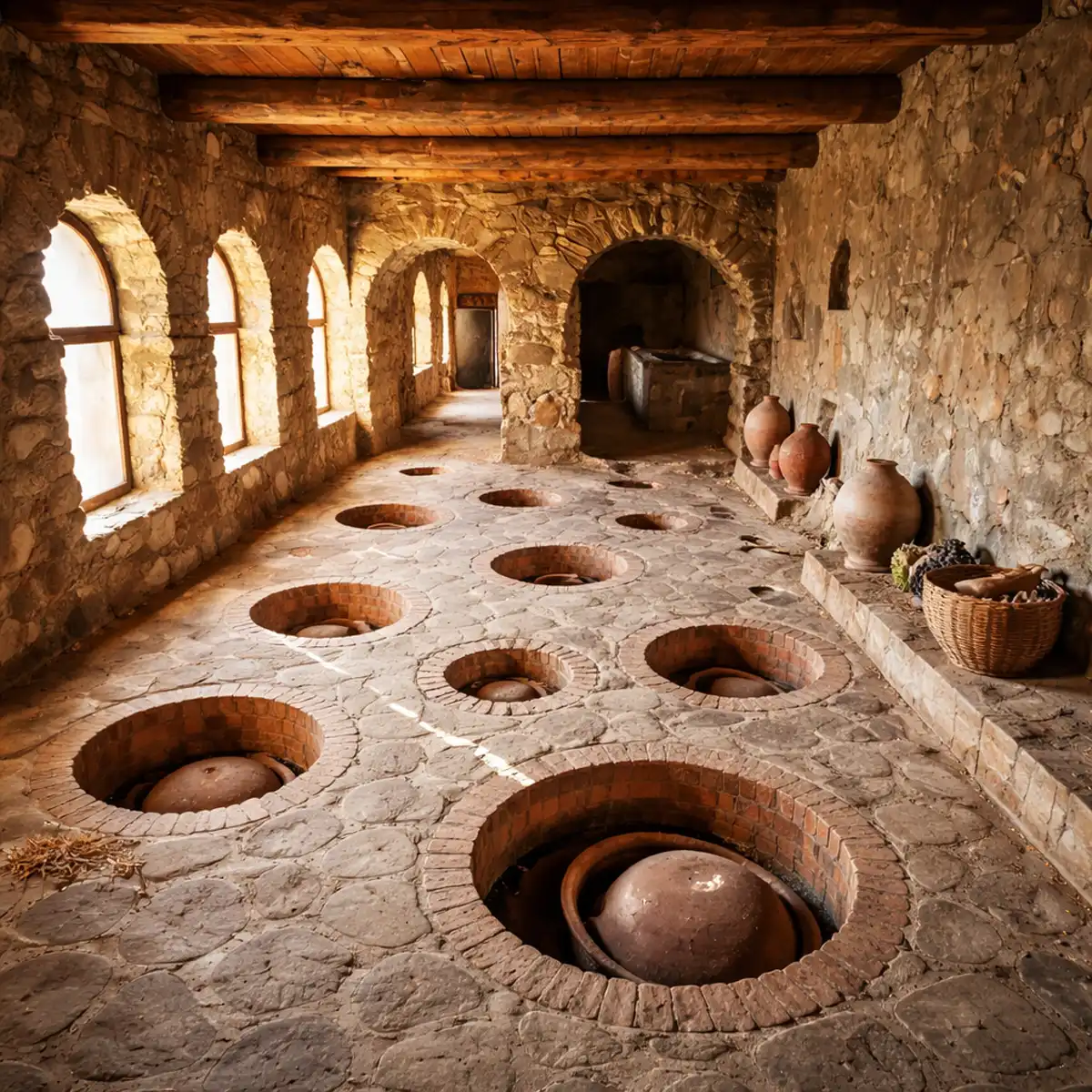
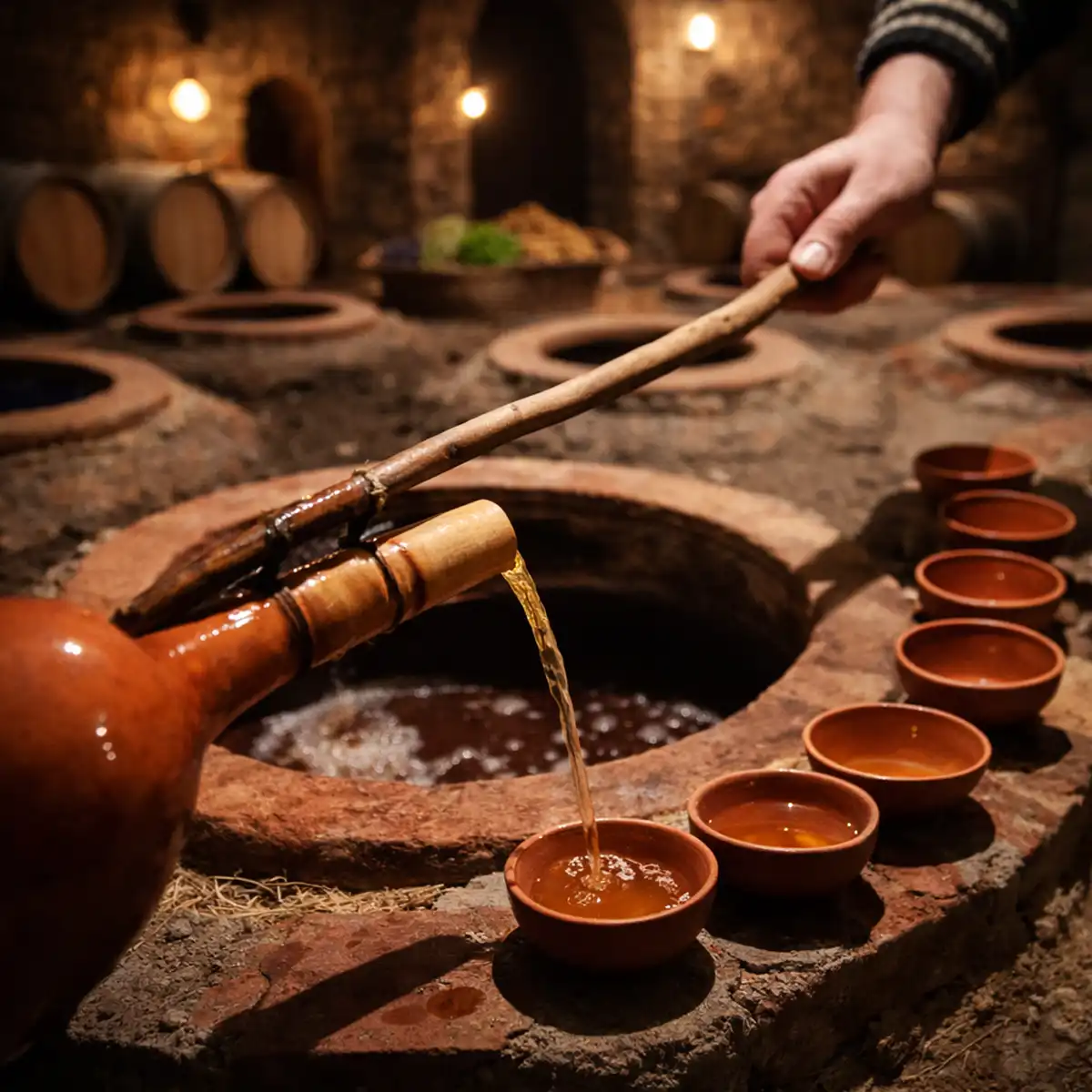
Qvevri wines are defined by their vessel as much as their grape. A qvevri is a large, egg-shaped clay amphora, traditionally lined with beeswax and buried completely underground. Grapes are crushed and fermented inside the vessel, often with skins, seeds and stems included, then sealed and left undisturbed for months.
This approach differs fundamentally from most modern winemaking. Temperature control comes from the surrounding earth rather than machinery. Oxygen exchange occurs slowly through the porous clay rather than via oak staves or engineered micro-oxygenation. Intervention is minimal by design.
The result is wine shaped by long, steady processes rather than rapid manipulation. Fermentation proceeds at a natural pace. Lees remain in contact with the wine for extended periods. Texture develops gradually, and flavours tend to integrate rather than separate.
Fun fact: UNESCO recognised traditional Georgian qvevri winemaking as Intangible Cultural Heritage in 2013, citing its uninterrupted use for over 8,000 years.
Learn Why Qvevri Wines Matter in 2026
The renewed interest in qvevri wines reflects broader shifts in how people engage with wine. As climate pressures increase and consumers question industrial agriculture, methods that prioritise resilience and low intervention have gained traction. Qvevri winemaking fits squarely within this context.
From an environmental standpoint, qvevri cellars require little energy. Underground burial provides natural insulation, reducing the need for cooling or heating systems. Many producers farming this way already work organically or biodynamically, supported by the inherent stability of the method.
From a cultural perspective, qvevri wines resist homogenisation. Their flavours are shaped by grape variety, soil and local practice rather than international style benchmarks. This has made them particularly relevant to drinkers seeking natural wine with a clear sense of origin.
For Valentine’s Day, this relevance translates into symbolism. Opening a wine made with patience and continuity offers a quiet counterpoint to fleeting trends. It encourages slower consumption and conversation, qualities increasingly valued at the table.
Explore Amber Wine Through the Qvevri Lens
One of the most recognisable expressions of qvevri winemaking is amber wine, sometimes referred to as orange wine. This style is produced by fermenting white grapes with extended skin contact, often lasting several months.
In Georgia, amber wine is not a revival or reinterpretation. It is the historical norm. Grapes such as Rkatsiteli, Kisi and Mtsvane are fermented with skins, seeds and often stems, creating wines with notable structure and tannin.
In the glass, these wines differ sharply from conventional whites. Aromas may include dried apricot, apple skin, chamomile, walnut and tea leaf. The palate is textural rather than crisp, with grip and persistence replacing simple freshness.
Extended skin contact also increases phenolic content, which can improve stability. Many qvevri amber wines are bottled with little or no added sulphur, relying instead on tannin and acidity for preservation. This appeals to drinkers seeking low sulphur wine without sacrificing longevity.
Taste Saperavi as a Modern Red Wine Reference
While amber wines often dominate discussion, qvevri red wines are equally significant. The most important red grape in Georgia is Saperavi, a rare teinturier variety with red skin and red flesh.
When fermented in qvevri, Saperavi produces wines of depth and density, but with a profile distinct from oak-aged reds. Colour is intense, often opaque. Aromas tend toward dark cherry, damson, dried herbs and iron-rich earth. Oak-derived flavours such as vanilla or toast are absent.
Tannins are firm but fine-grained, shaped by long maceration and slow oxygen exposure rather than wood extraction. Acidity remains prominent, supporting ageing potential and food compatibility.
For Valentine’s Day menus that favour slow-cooked dishes, aged cheeses or vegetable-based plates with umami depth, qvevri Saperavi offers structure without heaviness. Decanting or extended air exposure is often beneficial, allowing the wine to unfold gradually.
Compare Qvevri and Oak Ageing Objectively
Understanding what qvevri wines are not can be as useful as knowing what they are. Oak barrels have dominated fine wine production for centuries, and they remain effective tools. However, they impose specific flavours and require replacement, maintenance and significant resource input.
Qvevri vessels, by contrast, are neutral in flavour and can last generations if maintained properly. Their influence is textural rather than aromatic. Where oak adds sweetness and spice, qvevri emphasises minerality, fruit purity and savoury elements.
Temperature regulation also differs. Oak cellars often rely on climate control systems. Qvevri cellars depend on the earth itself, which maintains relatively stable conditions year-round.
Neither method is inherently superior, but the choice shapes the wine profoundly. For drinkers seeking clarity of grape and place, qvevri offers a compelling alternative.
Pair Qvevri Wines with Valentine’s Food Thoughtfully
Qvevri wines reward pairing that respects their structure. Amber wines, with their tannin and texture, behave more like light reds than aromatic whites. They pair well with dishes that include fat, spice or earthiness.
Rkatsiteli or Kisi amber wines work particularly well with lamb, mushrooms, root vegetables and dishes incorporating nuts or fermented elements. Georgian cuisine itself offers natural pairings, such as walnut-based sauces or slow-cooked meats.
Qvevri Saperavi pairs confidently with aged cheeses, braised beef, lentils and dishes featuring pomegranate or dark fruit. Avoid overly careful preparations, as the wine’s structure can overwhelm subtle flavours.
For couples planning a shared meal rather than a formal tasting, these wines encourage engagement. Their evolution in the glass invites discussion, making them well-suited to long evenings at the table.
Identify Producers Worth Seeking Out
Quality in qvevri wine depends heavily on the producer's intent and experience. While interest has grown internationally, the most reliable expressions still come from estates deeply rooted in the tradition.
Producers such as Iago Bitarishvili, Pheasant’s Tears, Alaverdi Monastery Cellar and Lagvinari are frequently cited for their balance of tradition and precision. Many farms farm organically and intervene minimally in the cellar.
When buying, look for clear information on vessel use, skin contact duration and sulphur levels. Labels referencing UNESCO recognition or traditional marani practices can indicate authenticity, though they are not guarantees on their own.
As demand increases, so does variation in quality. Buying from trusted merchants with experience in Georgian wine remains advisable.
Choose Qvevri Wine as a Meaningful Gift
For Valentine’s Day, qvevri wine offers a gift that communicates intention rather than excess. Its appeal lies in story, method and patience rather than brand recognition. This resonates with drinkers who value craftsmanship and continuity.
Unlike novelty bottles, qvevri wines rarely rely on packaging or marketing cues. Their impact comes from the glass itself. This makes them particularly suitable for shared discovery rather than performance.
Gifting qvevri wine also supports small-scale producers maintaining traditional practices under modern pressures. For consumers attentive to sustainability and cultural preservation, this adds further significance.
Conclude with a Slower Approach to Celebration
In a market saturated with immediacy, qvevri wines invite a different pace. They ask for time, attention and openness. For Valentine’s Day 2026, that invitation feels increasingly relevant.
Choosing qvevri wine is not about rejecting modernity but about redefining it. These wines demonstrate that ancient methods can address contemporary concerns around sustainability, flavour diversity and authenticity.
Whether amber or red, light or structured, qvevri wines offer a grounded way to mark the occasion. They reward patience, encourage conversation and remind us that some of the most meaningful experiences unfold slowly.
Continue Reading
The Marylebone Gazette
Delivered monthly to your inbox
Subscribe for the latest from Marylebone.