Say Harley Street anywhere in the English-speaking world and people understand you to mean private medicine, expensive and discreet. It is one of the few street names that has become a common noun, and it happened on a half-mile of Georgian terrace in Marylebone that was never planned for doctors at all.
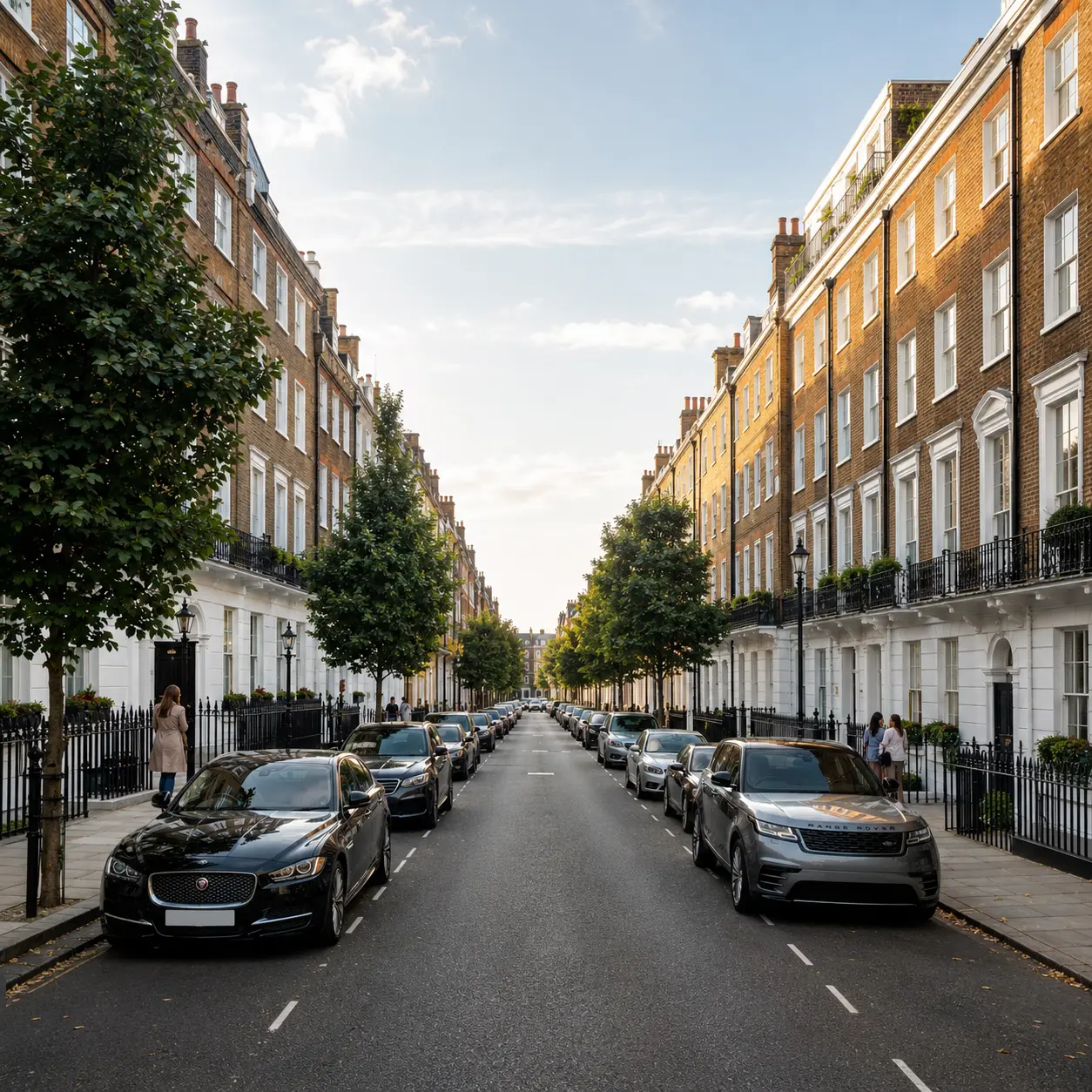
That is the strange thing about the story. Harley Street was laid out in the 18th century as residential housing on the Howard de Walden Estate, elegant terraced homes for well-off families, with no more medical intent than any other street in the grid. The doctors arrived later, in numbers, and reshaped the meaning of the address so completely that its original purpose has been almost entirely forgotten.
I have edited local pages for a national title and lived near here for over 20 years, and the history of this street is the history of how a neighbourhood acquires a reputation and then cannot put it down. What follows is how a row of family houses became the global shorthand for private healthcare, why it happened here specifically, and what the street is actually like today, when more than 3,000 people are said to work in medicine within its immediate area.
Why Doctors First Came to Harley Street
Doctors came to Harley Street in the 19th century for reasons that were practical rather than prestigious. The houses were large, well-built and central, and a physician could live upstairs and consult downstairs without the two ever meeting on the stairs.
The location did the rest. Harley Street sat close to the wealthy households of Mayfair and Marylebone who could afford private consultation, and it was well connected to the mainline stations that brought patients in from across the country. A doctor here could see a duchess in the morning and a factory owner from Leeds in the afternoon, and both would find the address reassuring. Over decades that logic compounded: doctors wanted to be near other doctors, because a good address was itself a credential, and patients trusted a street that other specialists had already chosen.
By the late Victorian period the concentration had reached the point of no return. Once an address becomes a signal of quality, every new practitioner who can afford it wants in, and the reputation feeds itself independently of any single doctor.
What Harley Street Is Actually Like Today
Today Harley Street and the streets immediately around it form one of the densest concentrations of private medicine anywhere in the world, and the area is widely said to house more than 3,000 people working across some hundreds of specialisms. From the pavement, almost none of that is visible.
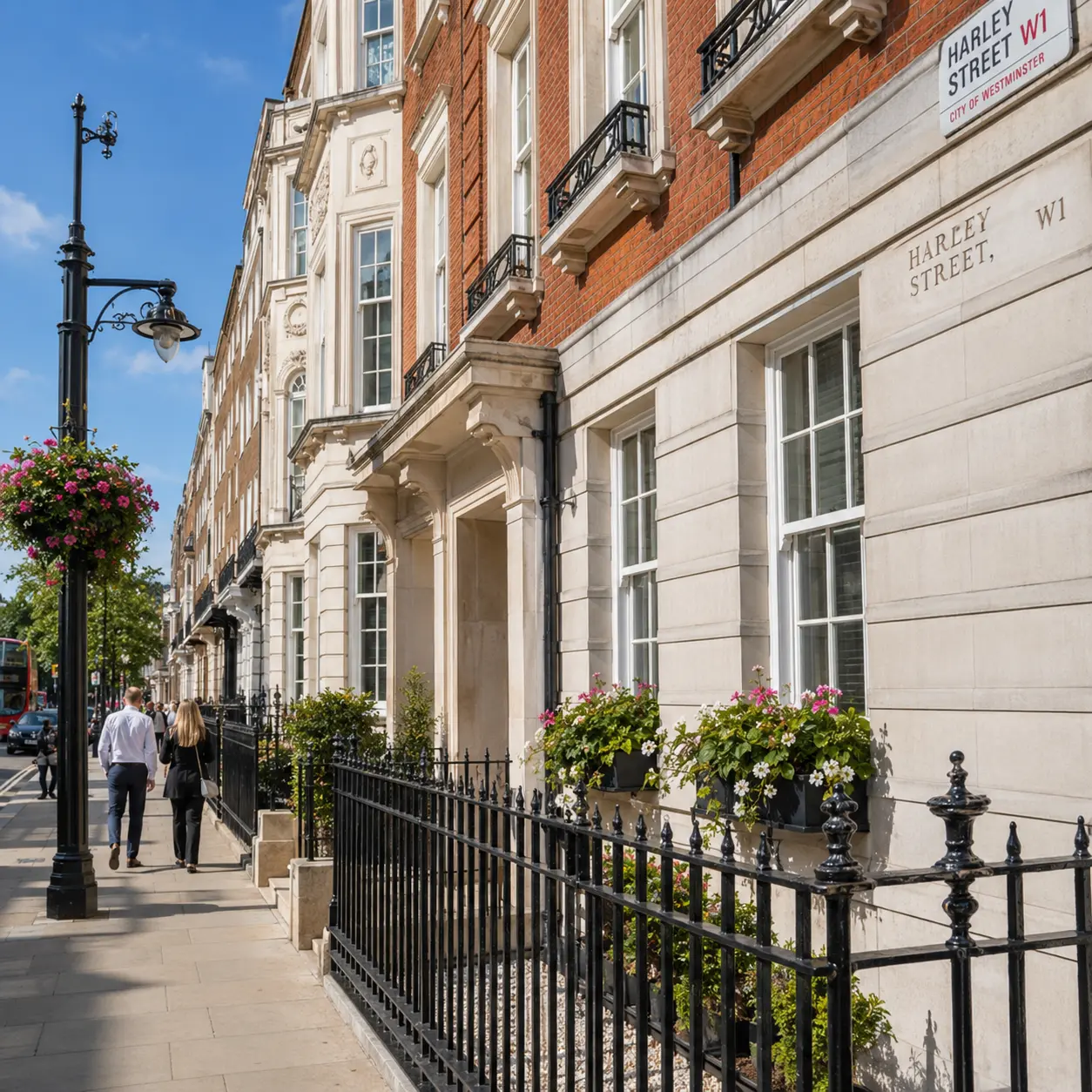
That invisibility is deliberate and it is the modern character of the place. The Georgian frontages are protected, so there are no illuminated signs and no clinic windows full of before and after photographs. A building at 10 Harley Street may hold a dozen separate practices behind one unremarkable front door, and the brass plaques beside that door are the only clue. The medicine has become total and the street has stayed silent about it.
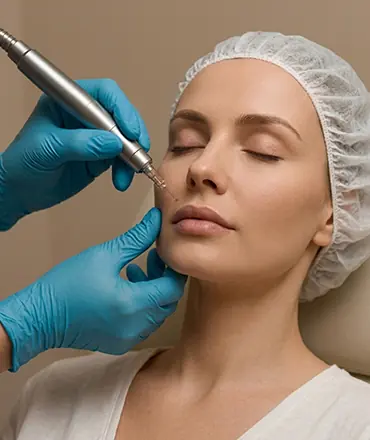
The specialisms have broadened too. Where the Victorian street was physicians and surgeons, today's runs the full range from oncology and cardiology to a very large cosmetic and aesthetic sector, with clinics clustered thickly at the Cavendish Square end. The address still does the same job it did in 1890: it tells a nervous patient, before a word is spoken, that they are somewhere serious.
Why the Howard de Walden Estate Shaped Harley Street
Harley Street looks the way it does because one landlord has owned it for centuries. The Howard de Walden Estate controls much of Marylebone, including Harley Street, and its long-term ownership is the reason the street survived as a coherent Georgian terrace rather than being redeveloped piecemeal.
A single freeholder thinking in centuries rather than in lease cycles behaves differently from a street of individual owners. The estate could enforce a consistent use, resist the demolition that flattened so much of London, and steer the tenant mix towards medicine once medicine had proved itself the street's natural trade. The uniform frontages, the protected interiors and the absence of retail all follow from that single fact of ownership.
It is the same mechanism that kept Marylebone High Street independent and Marylebone Lane crooked. Estate ownership is the quiet force behind almost everything distinctive in this neighbourhood, and Harley Street is its most globally famous product.
Fun fact: Florence Nightingale ran a hospital for gentlewomen at 1 Upper Harley Street in the 1850s, shortly before she left for the Crimea.
Who Practised on Harley Street Through History
The street's reputation was built by the people who worked on it, and a few names anchor the history. Florence Nightingale superintended a small hospital for sick gentlewomen at 1 Upper Harley Street in 1853, the year before the Crimean War made her famous, and the association of the address with serious medicine predates almost all of its later fame.
Across the 19th and 20th centuries the street accumulated eminent physicians and surgeons the way a good gallery accumulates painters, each new arrival adding to the collective authority of the address. Lionel Logue, the speech therapist who treated King George VI, consulted from nearby, and the wider Harley Street medical area has been woven into public life, royal and ordinary, for close to two centuries.
The pattern that matters is not any single practitioner but the accumulation. No one doctor made Harley Street; a critical mass of them did, over generations, until the street name itself carried more weight than any name on the brass plaques.
How to Understand Harley Street as a Visitor
Walk it and you will be underwhelmed, and that is the correct response. Harley Street offers a visitor almost nothing to look at, because its entire character is the refusal to advertise itself, and understanding that is the point of the visit.
Read the doors rather than the buildings. The brass plaques beside each entrance are the real exhibit, listing the practices within, and the density of them tells the story that the plain Georgian frontage will not. Note how many separate specialisms share a single address, and how none of them shout. This is a street where discretion is the product.
Pair it with the surrounding neighbourhood to make sense of it. Cavendish Square at the southern end and Marylebone High Street a short walk west give the context of the residential quarter the doctors moved into, and the aesthetic and cosmetic clinics clustered around Harley Street's lower numbers show how the street continues to evolve while keeping its reputation intact.
Conclusion
The history of Harley Street is a lesson in how reputation works. A row of ordinary Georgian houses became the global shorthand for private medicine not through planning but through accumulation, one doctor drawing the next, over more than a century, on land held steady by a single long-sighted estate.
Today it hides thousands of medical careers behind unmarked doors and offers the passer-by nothing but brass plaques and good proportions. That restraint is the whole achievement. A reputation like Harley Street's is like a signature built over a lifetime: impossible to forge, slow to earn, and instantly recognised the moment it is seen.
Continue Reading
The Marylebone Gazette
Delivered weekly to your inbox
Join 12,000+ Marylebone insiders