Specialists in Marylebone
Museums
Museums in Marylebone: what you will find
Museums in Marylebone cover a small but varied set of visitor sites within the Georgian streets and squares of this central London district. Most are independent or trust-run attractions, so themes differ sharply from one to the next. Visitors come for fine art, social history and popular culture, often combining two sites in a single afternoon. The area sits within the former Portman and Howard de Walden estates, and several collections occupy period townhouses rather than purpose-built halls.
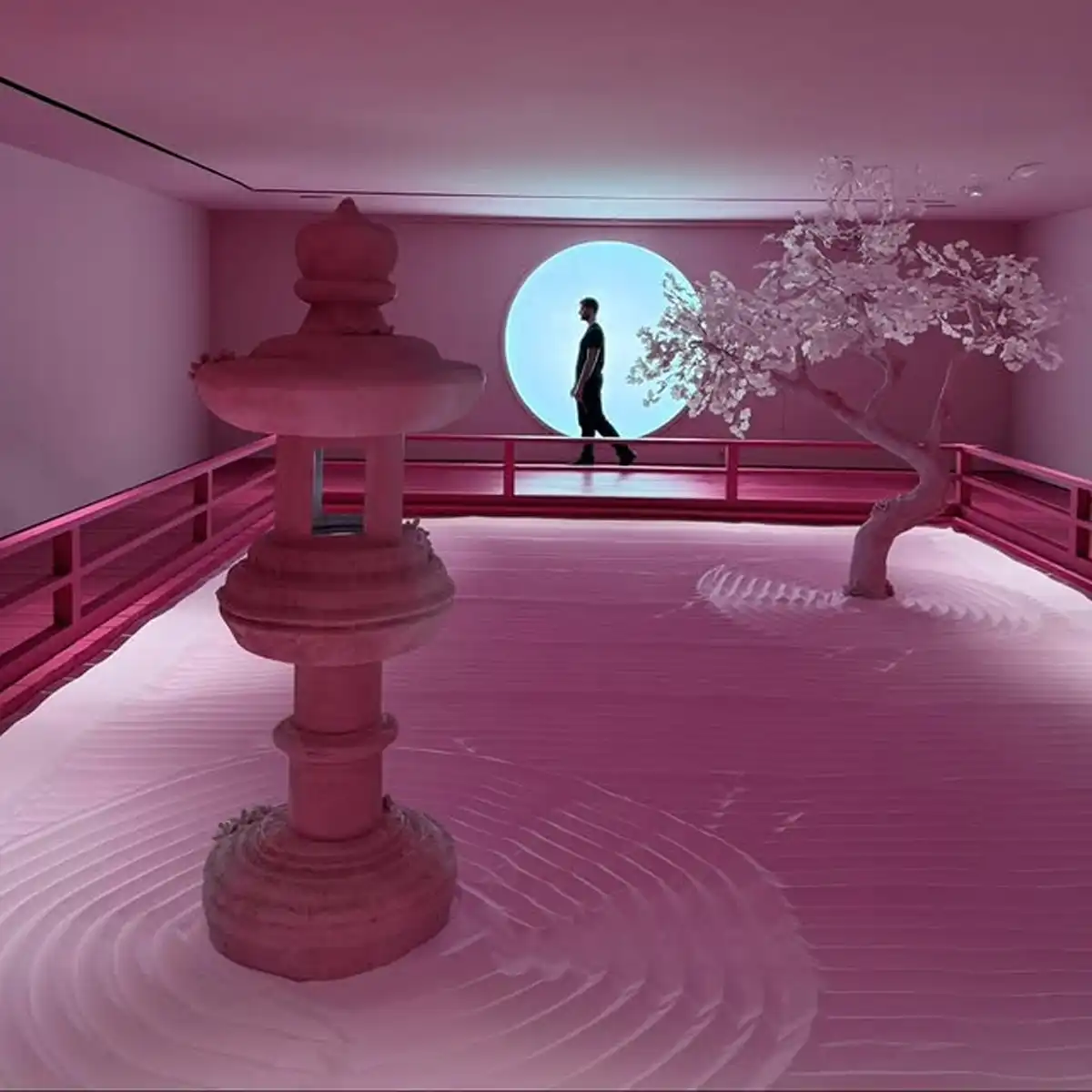
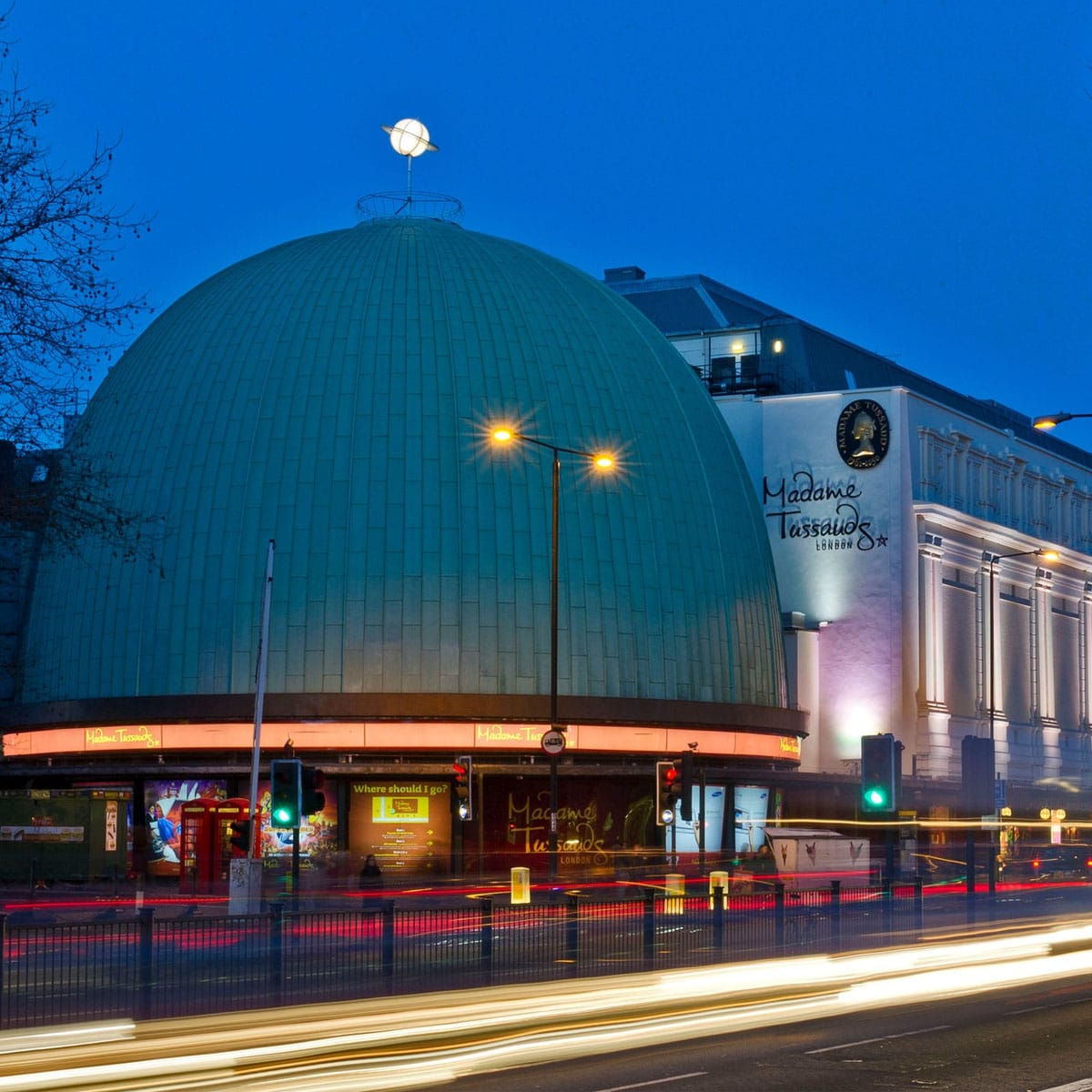
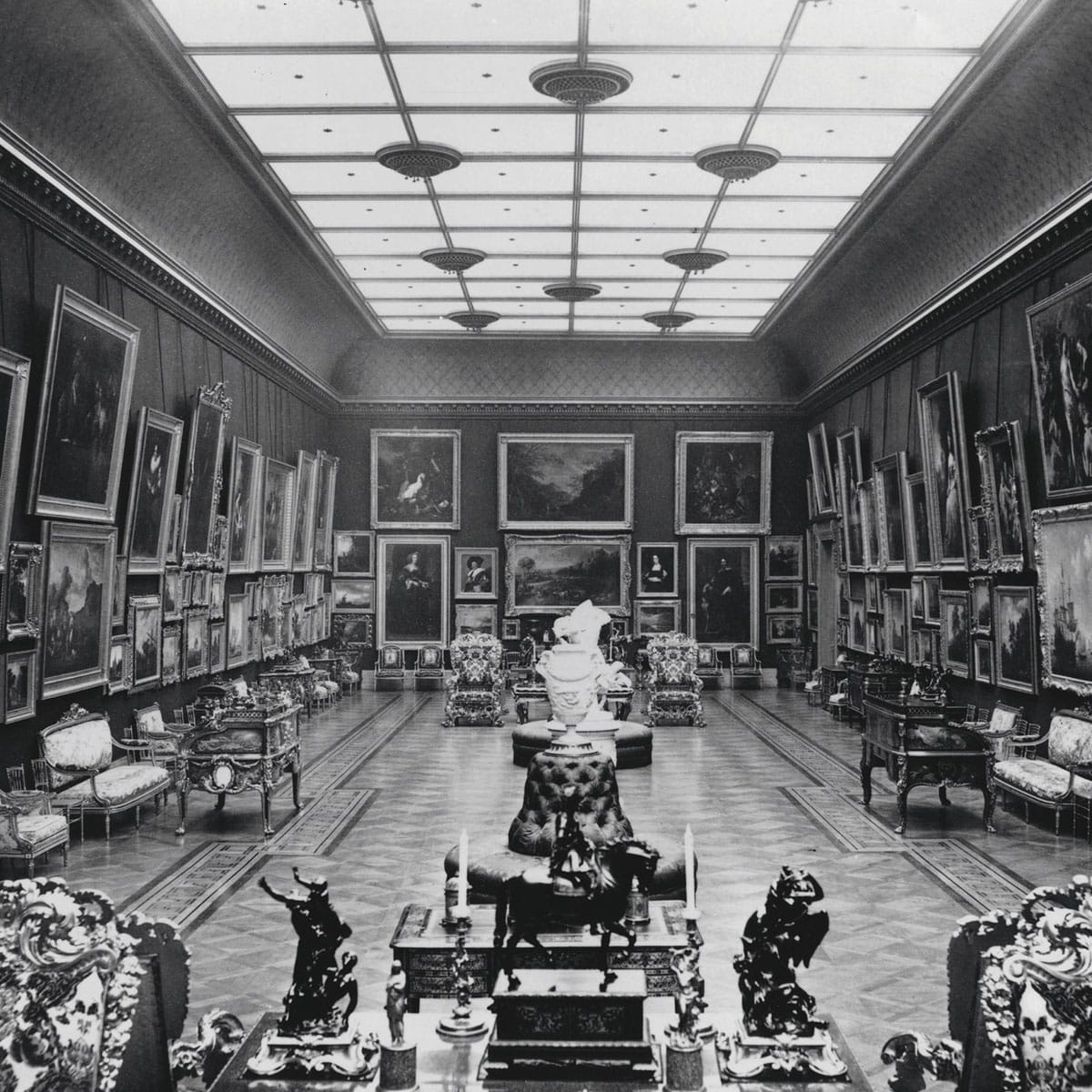
The range is wider than the listing count suggests. One end holds a major arts collection of paintings, furniture and armour held in a former private residence, such as a national collection of fine and decorative art. At the other end sit popular culture attractions built around character, story and spectacle. Some sites focus on a single figure or theme, while others present broad European holdings across many rooms. Because the buildings were often homes first, room layouts tend to be intimate rather than vast.
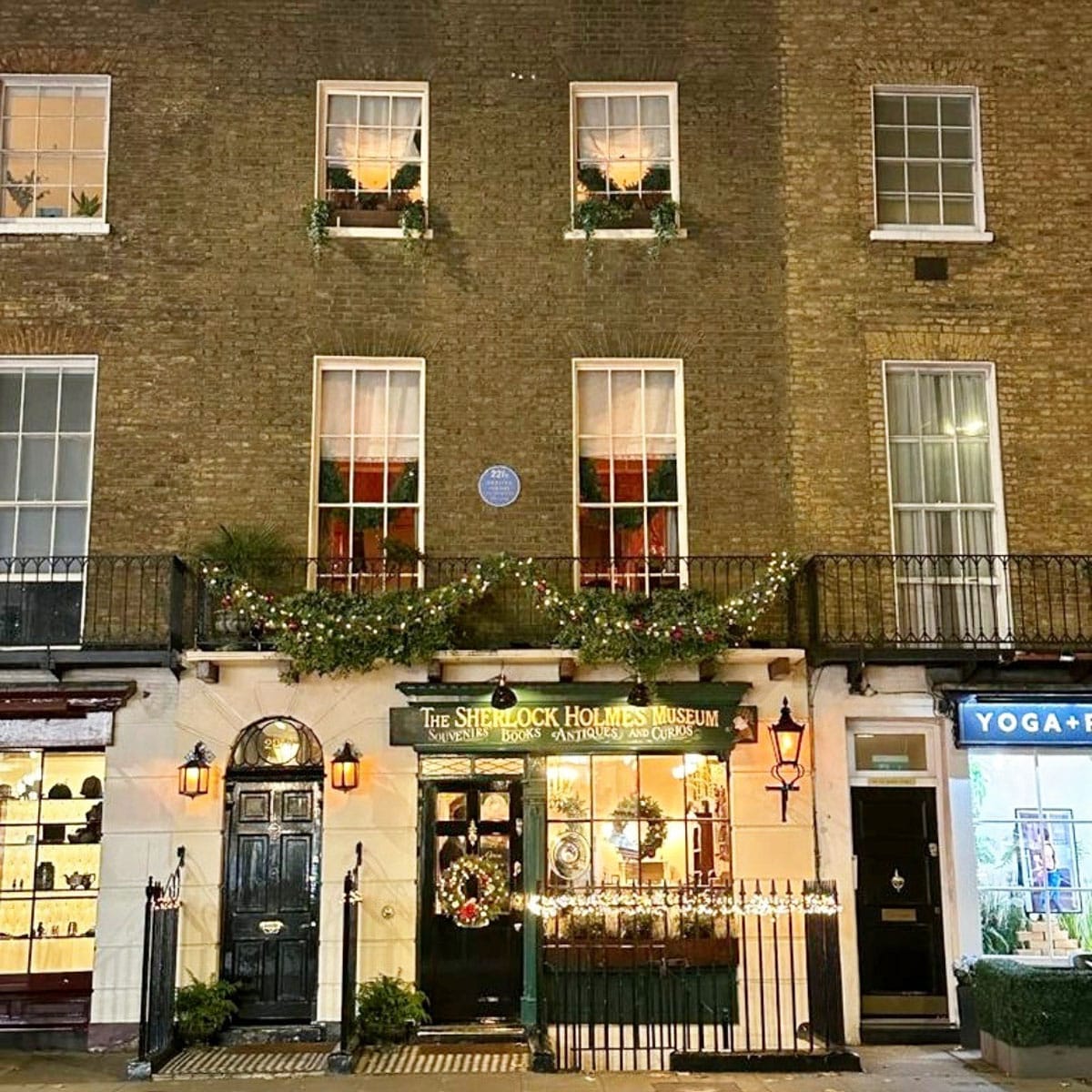
Subject matter spans literary heritage, waxwork portraiture and historic interiors. A literary-themed site recreates the rooms of a famous fictional detective at a Baker Street address, for example a museum set in a recreated Victorian residence. Practical details vary too, since opening hours, ticketing and step-free access depend on the individual property. Several sites stay free to enter, while ticketed attractions price by season and demand. Checking each entry before you travel saves time on the day.
How to choose between them
Start with the subject, because the collections here have little overlap. Decide first if you want quiet art and historic rooms or a high-energy, photograph-heavy attraction. Families with younger children often prefer the interactive sites, while art visitors gravitate toward the period collections. Your choice of theme narrows the field quickly.
Next, weigh time and ticketing. Free collections suit short, flexible visits, since you can leave and return without losing a paid ticket. Ticketed attractions reward longer stays, and advance booking usually cuts both cost and queue time. The busiest of these venues can sell timed slots well ahead, so plan around the date rather than walking up.
Access and location are the final filters. Many Marylebone buildings are historic, which can mean stairs, narrow doorways and limited lift access, so check each listing for step-free routes if that matters. Proximity to Baker Street and Bond Street stations keeps most sites within a short walk of each other. That makes pairing two visits realistic across the wider set of cultural and visitor attractions across Marylebone, even on a single day.
The Marylebone Gazette
Delivered weekly to your inbox
Subscribe for the latest from Marylebone.