Specialists in Marylebone






Baker Street
Baker Street is one of Marylebone's principal north-south thoroughfares, running from Oxford Street in the south to Marylebone Road in the north, spanning both the W1U and NW1 postal districts. The street was laid out in 1755 by William Baker, a gentleman of Marylebone who leased land from the Portman Estate and developed it alongside Orchard Street, Portman Street, and several adjacent roads. The Portman Estate itself traces its origins to 1553, when Sir William Portman acquired the land, though development did not begin in earnest until the mid-eighteenth century.
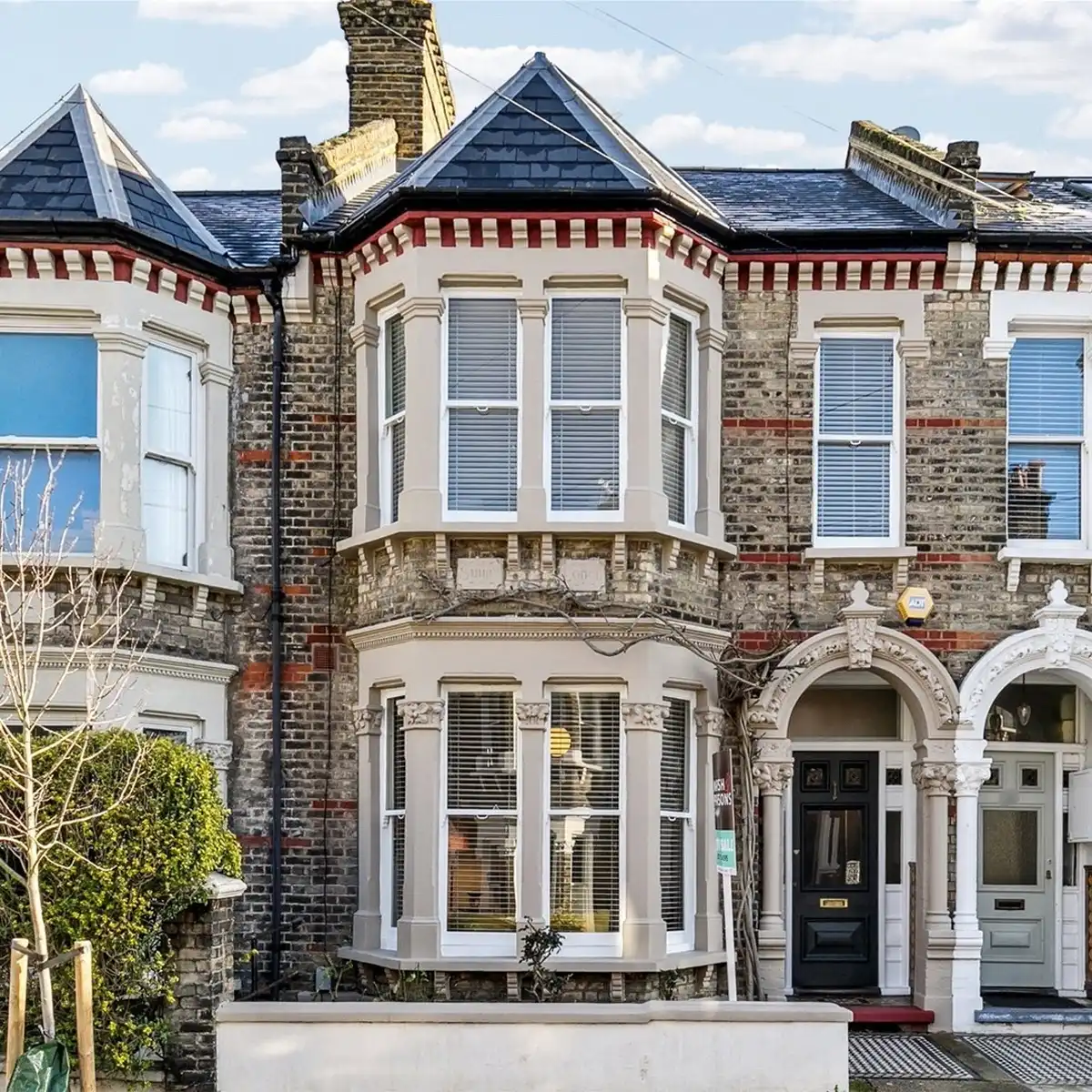
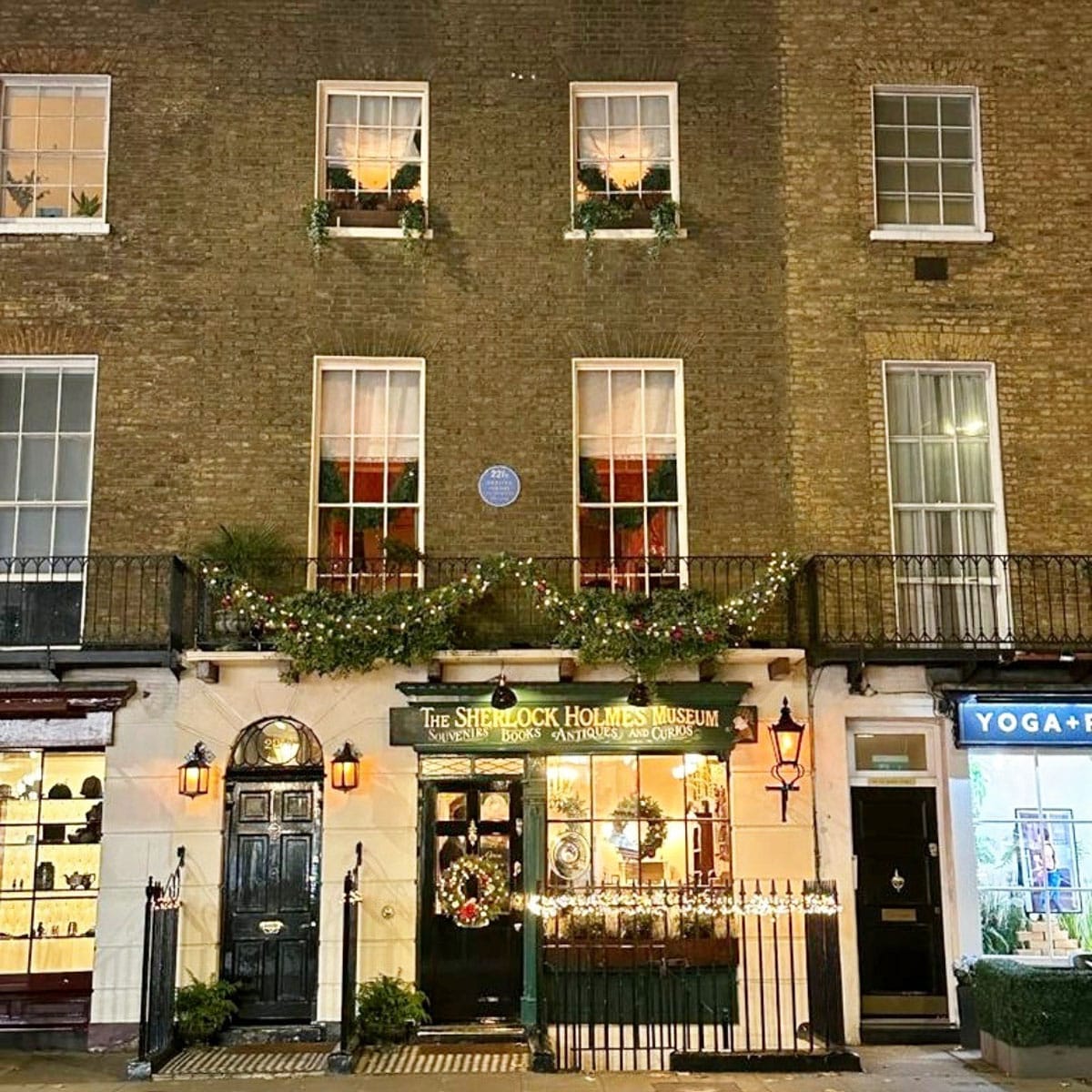
By 1820, the Portman Estate's development of this part of Marylebone was largely complete, and Baker Street had established itself as a well-regarded residential address lined with Georgian terraces. The street later gained considerable Victorian mansion block development in its northern reaches. Its most famous association is with Sherlock Holmes, Arthur Conan Doyle's fictional detective, whose address of 221B Baker Street has made the street internationally recognised, with the Sherlock Holmes Museum now occupying the relevant stretch.
Baker Street station, opened in 1863 as part of the world's first underground railway, sits at the northern end and reinforced the street's role as a significant transit corridor. The Portman Estate continues to own substantial portions of the southern section. Wigmore Street intersects Baker Street at its mid-point, marking one of the area's key east-west connections.
The Marylebone Gazette
Delivered weekly to your inbox
Join 12,000+ Marylebone insiders