Specialists in Marylebone




Wigmore Street
Wigmore Street runs east to west across the southern edge of Marylebone, linking Cavendish Square at its eastern end to Marylebone Lane in the west, within the W1U postal district. It was predominantly developed between 1730 and 1760 as part of the Cavendish-Harley Estate, the grid of streets laid out by surveyor John Prince for the Earl of Oxford and later continued under the Dukes of Portland. The street name derives from the Harleys' family connection to Wigmore Castle in Herefordshire.
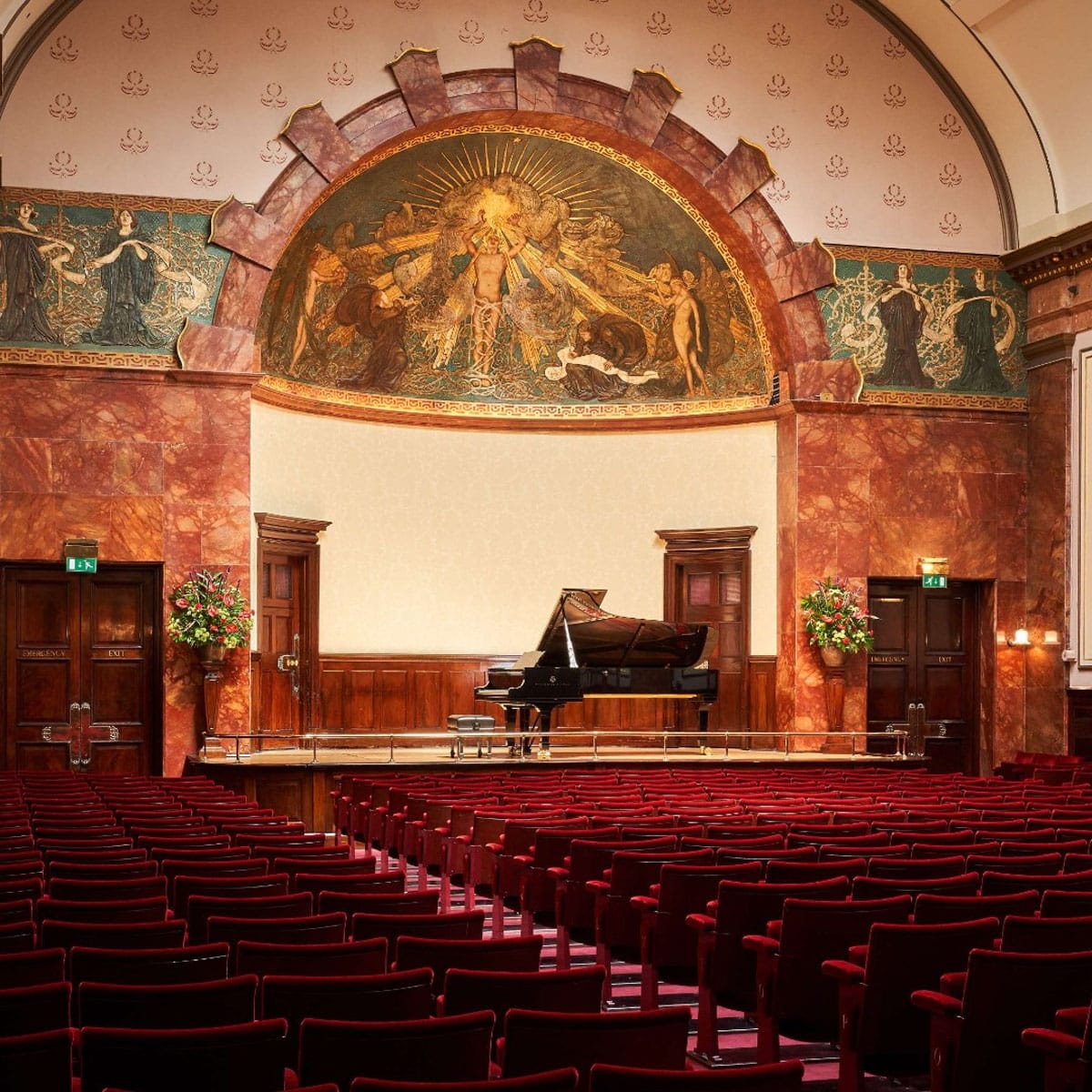
Commerce arrived early. A drapers business was established at number 44 in 1778, the ancestor of what eventually became Debenham and Freebody, whose purpose-built department store opened on the street in 1908. The street also attracted piano manufacturers: Brinsmead and Sons occupied purpose-built showrooms at numbers 18 to 22 from 1892, and Bechstein opened its London showroom and the 550-seat Bechstein Hall at number 36 in 1901. During the First World War the German-owned Bechstein Hall was seized under the Trading with the Enemy Act in 1916, sold to the Debenhams group and reopened as Wigmore Hall in 1917. It remains one of London's principal chamber music venues, hosting more than five hundred concerts each year and broadcasting weekly on BBC Radio 3.
Today the street carries a mix of retail, medical, and office uses. Georgian and Victorian facades sit alongside twentieth-century infill, with the built form varying considerably along its length. Wigmore Hall remains the street's most significant building and its most enduring cultural marker.
The Marylebone Gazette
Delivered weekly to your inbox
Join 12,000+ Marylebone insiders