Specialists in Marylebone




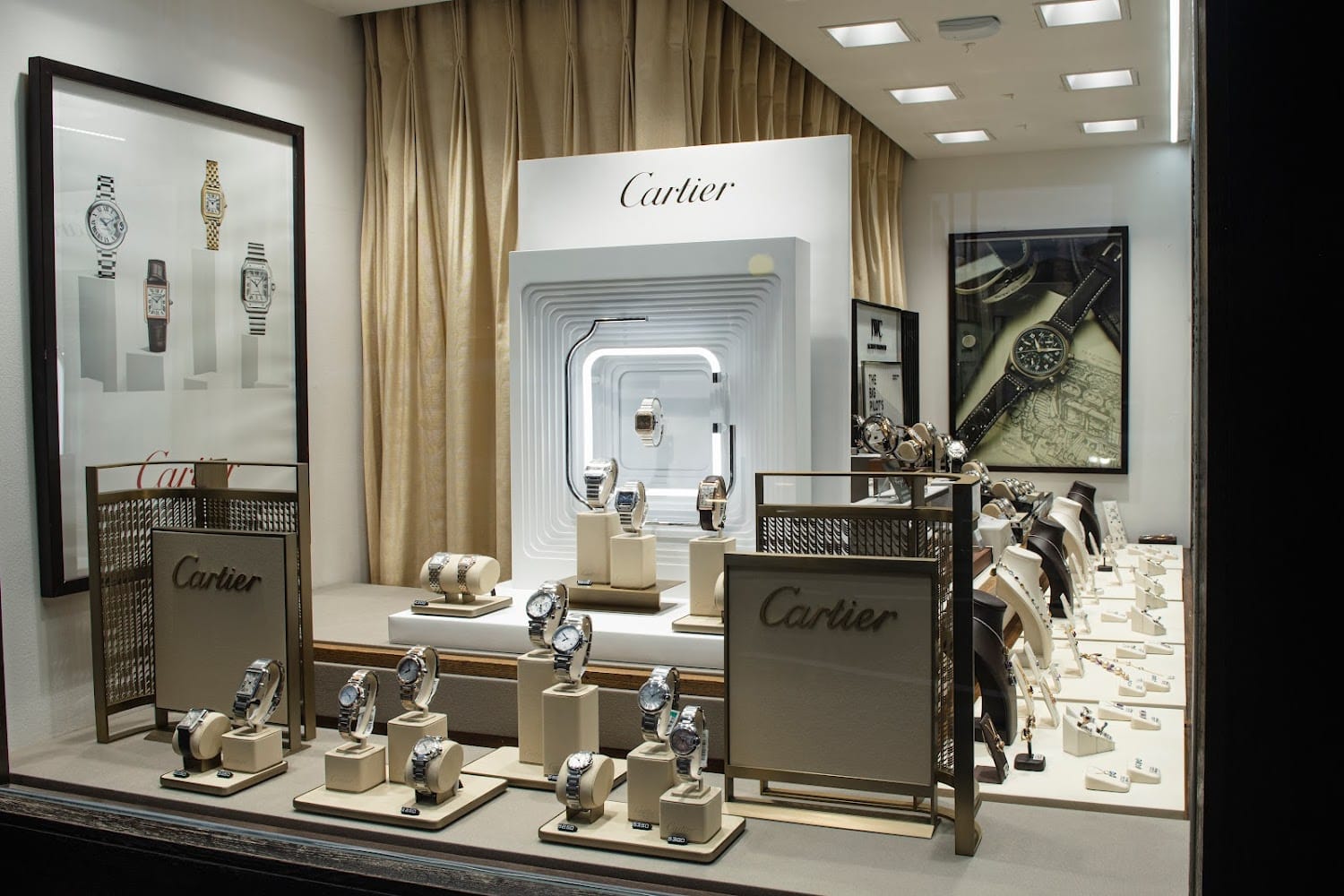
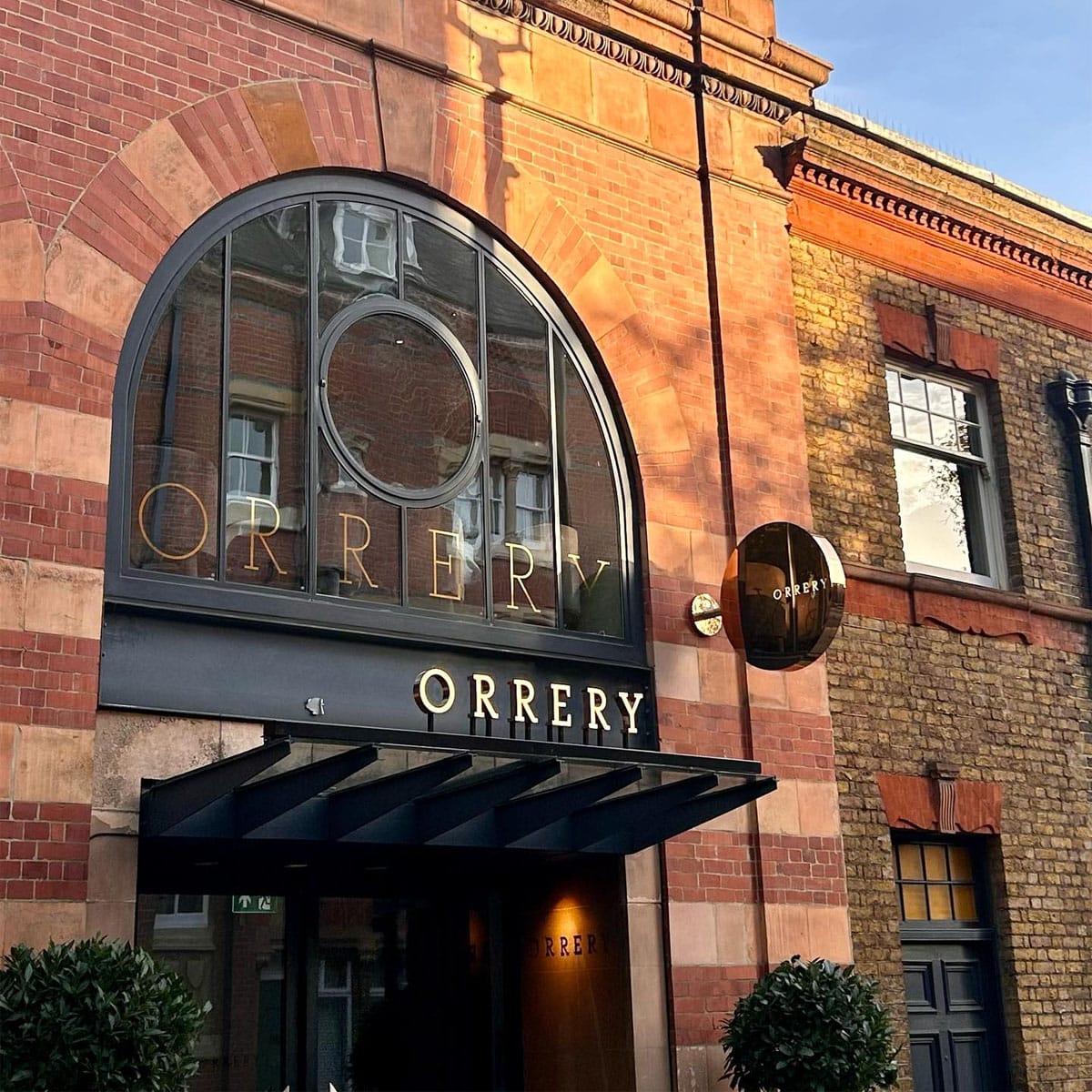
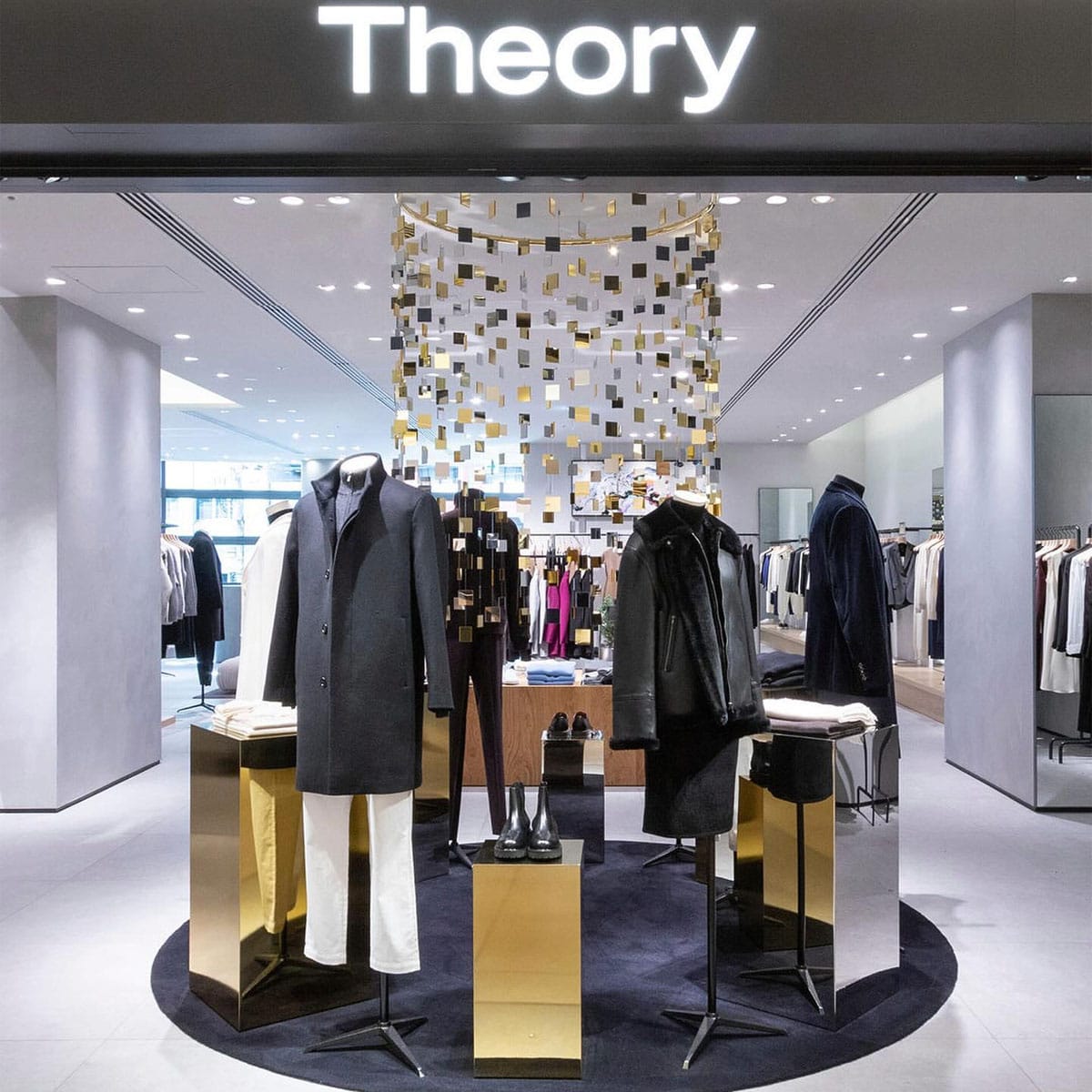


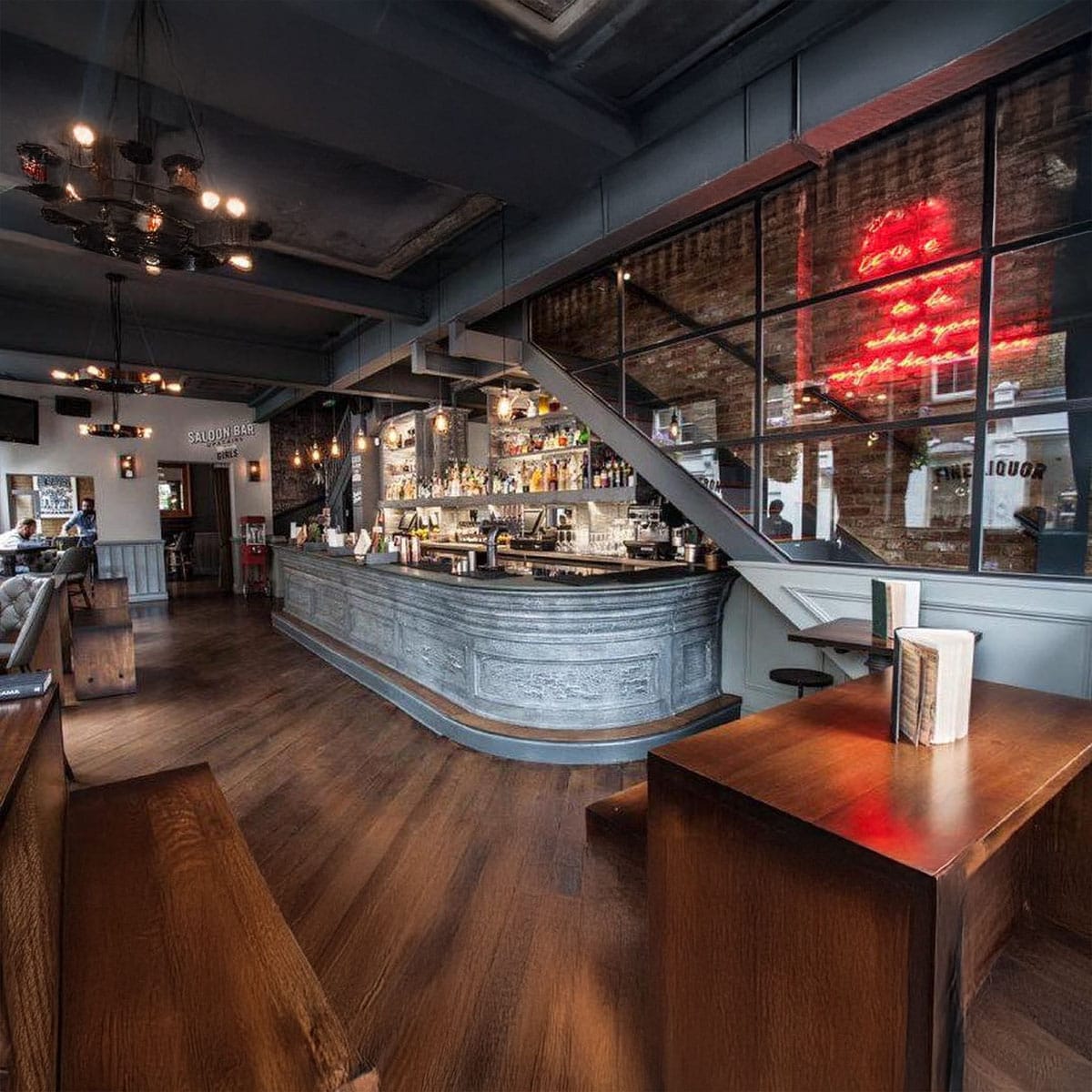
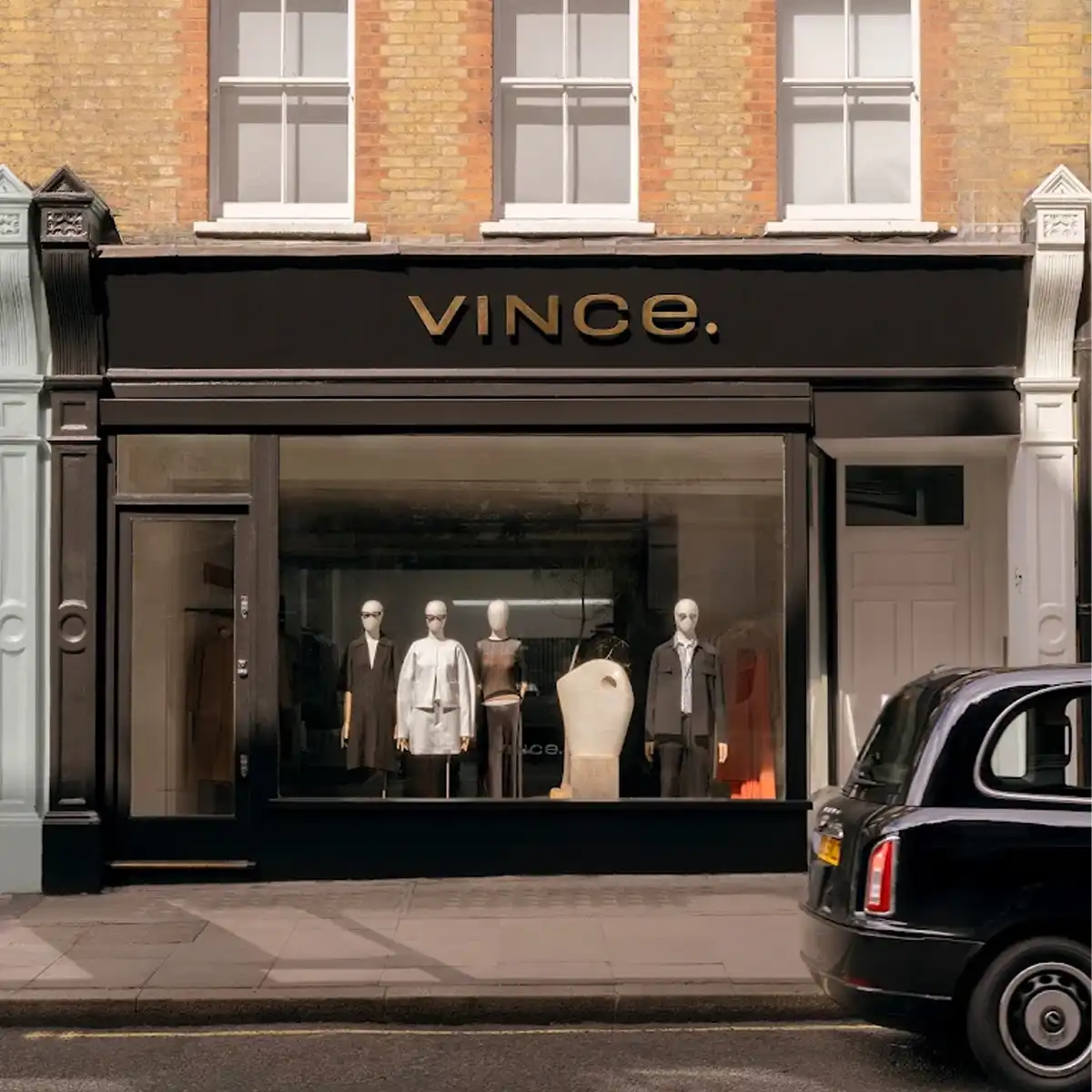

Marylebone High Street
Marylebone High Street runs north to south through the heart of the Howard de Walden Estate, forming what many consider the commercial and social spine of the neighbourhood. The street's origins as a thoroughfare date to at least the early fifteenth century, when the parish church of St Mary stood at its southern end close to Oxford Street. That first church gave the area its name: St Mary-by-the-Bourne, later contracted to Marylebone.
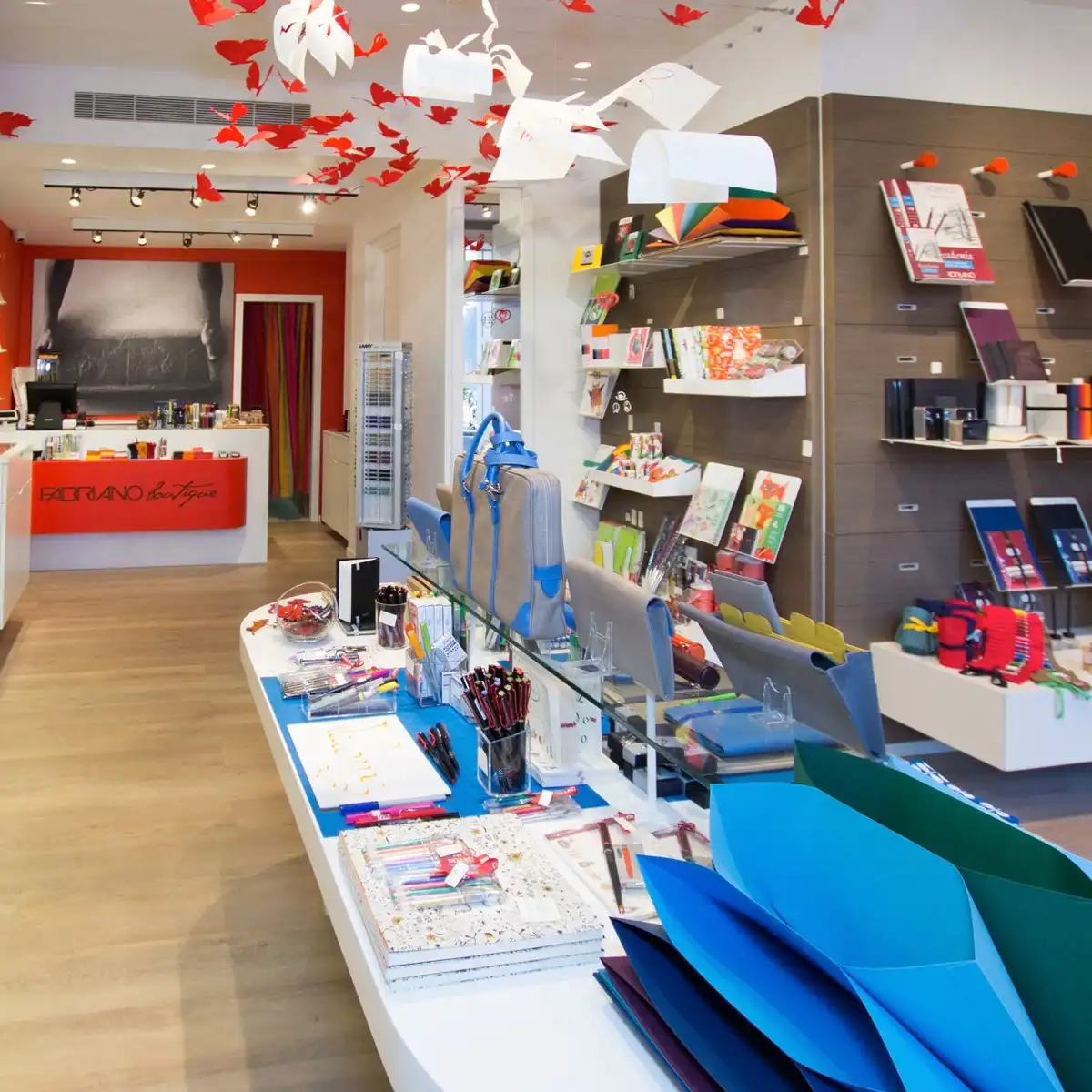
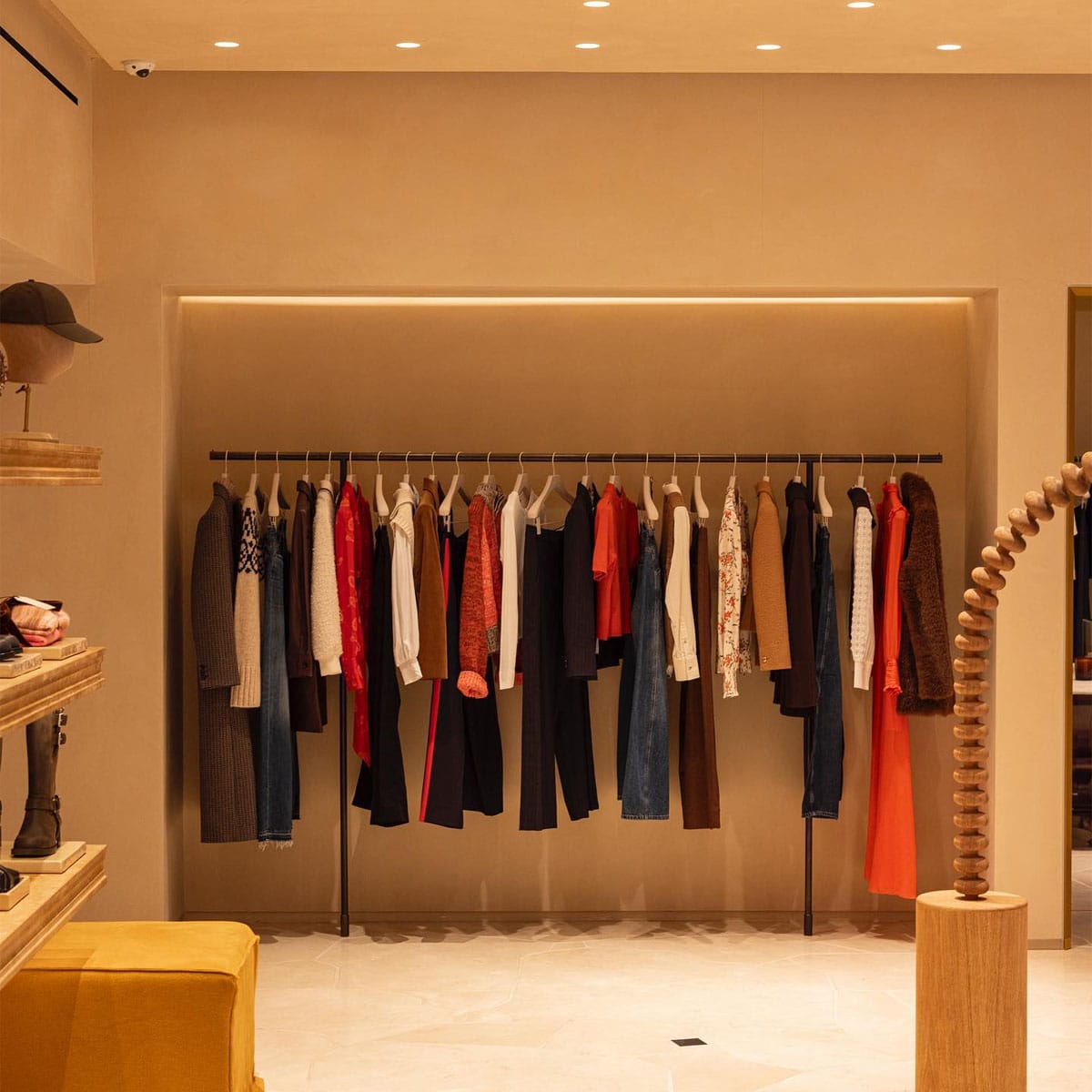
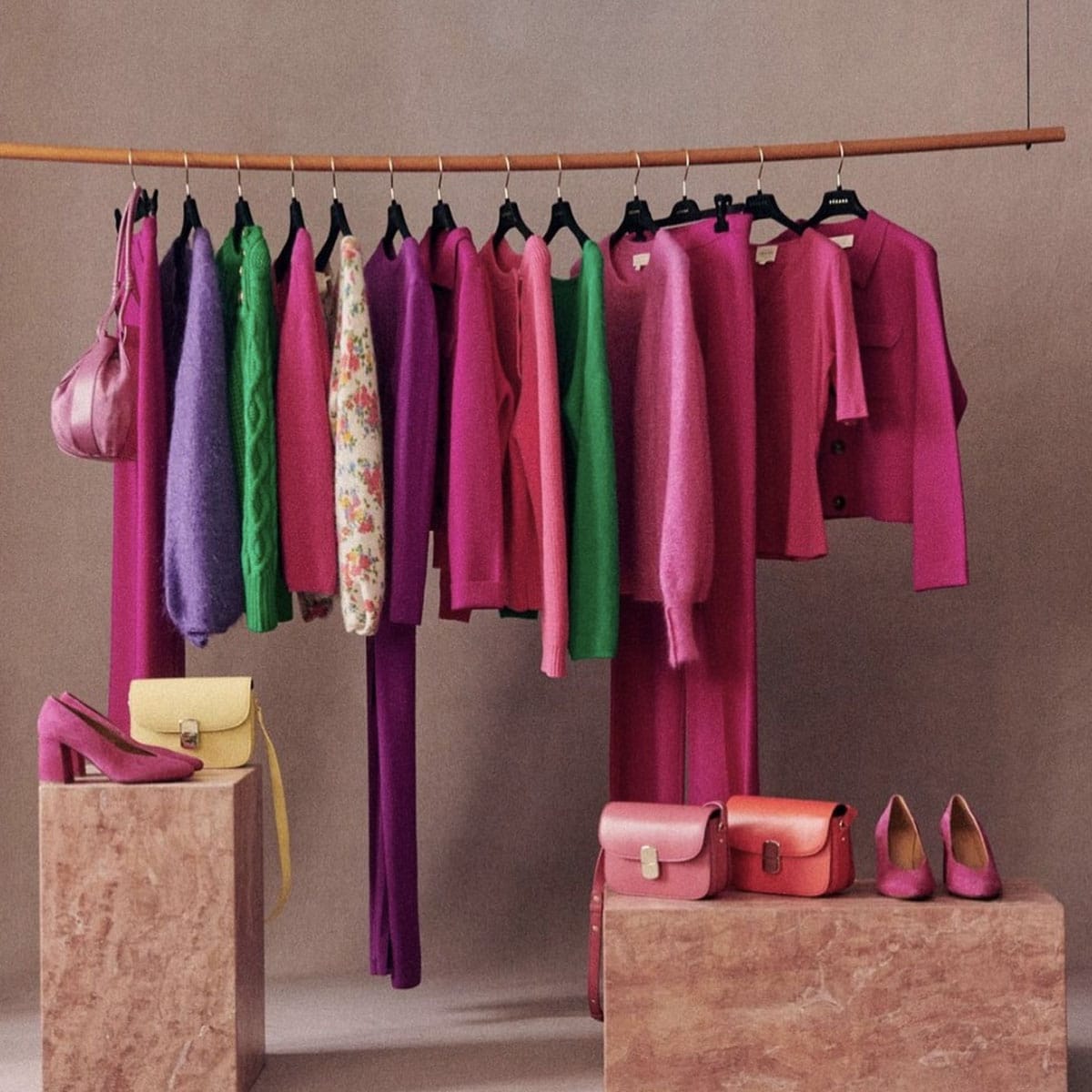
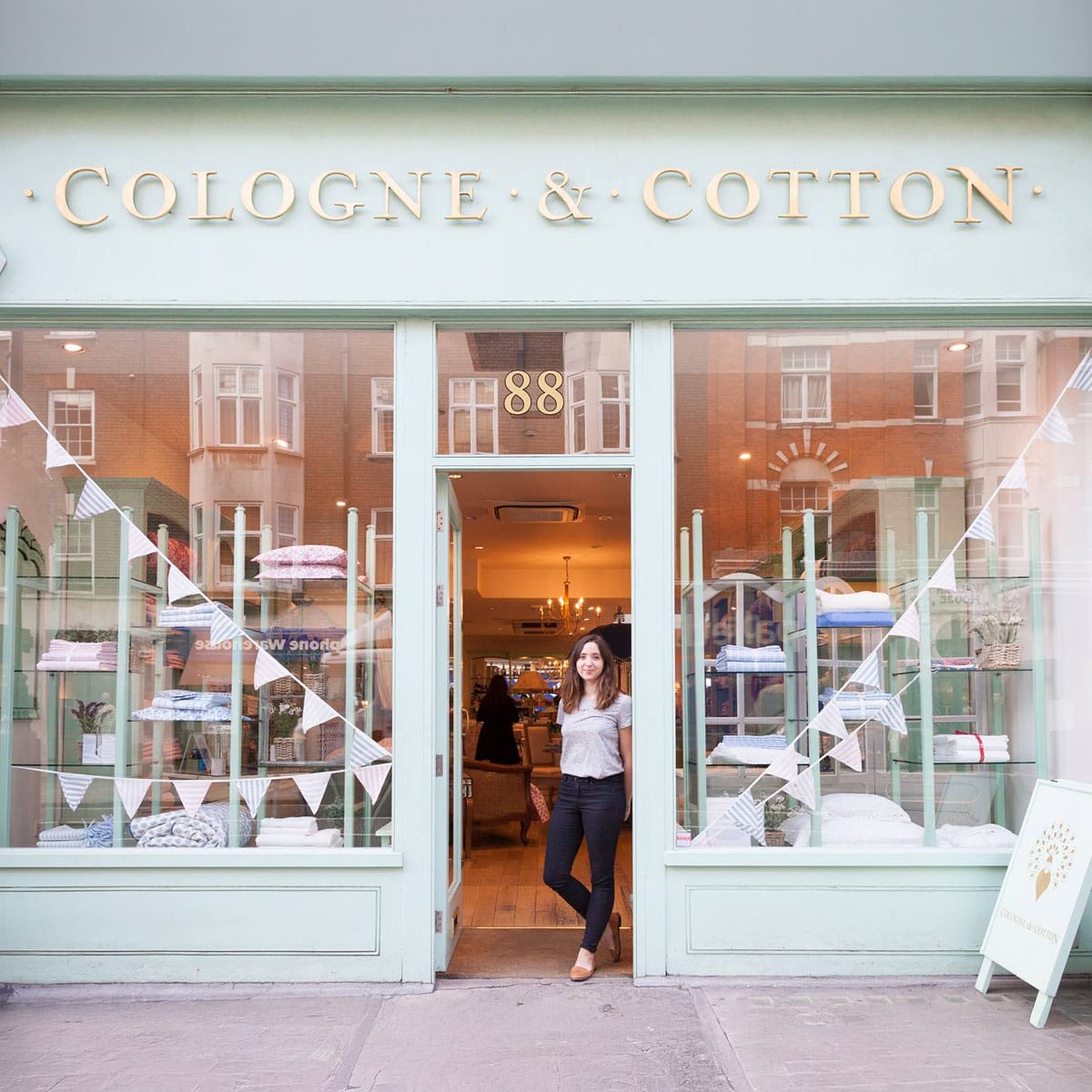
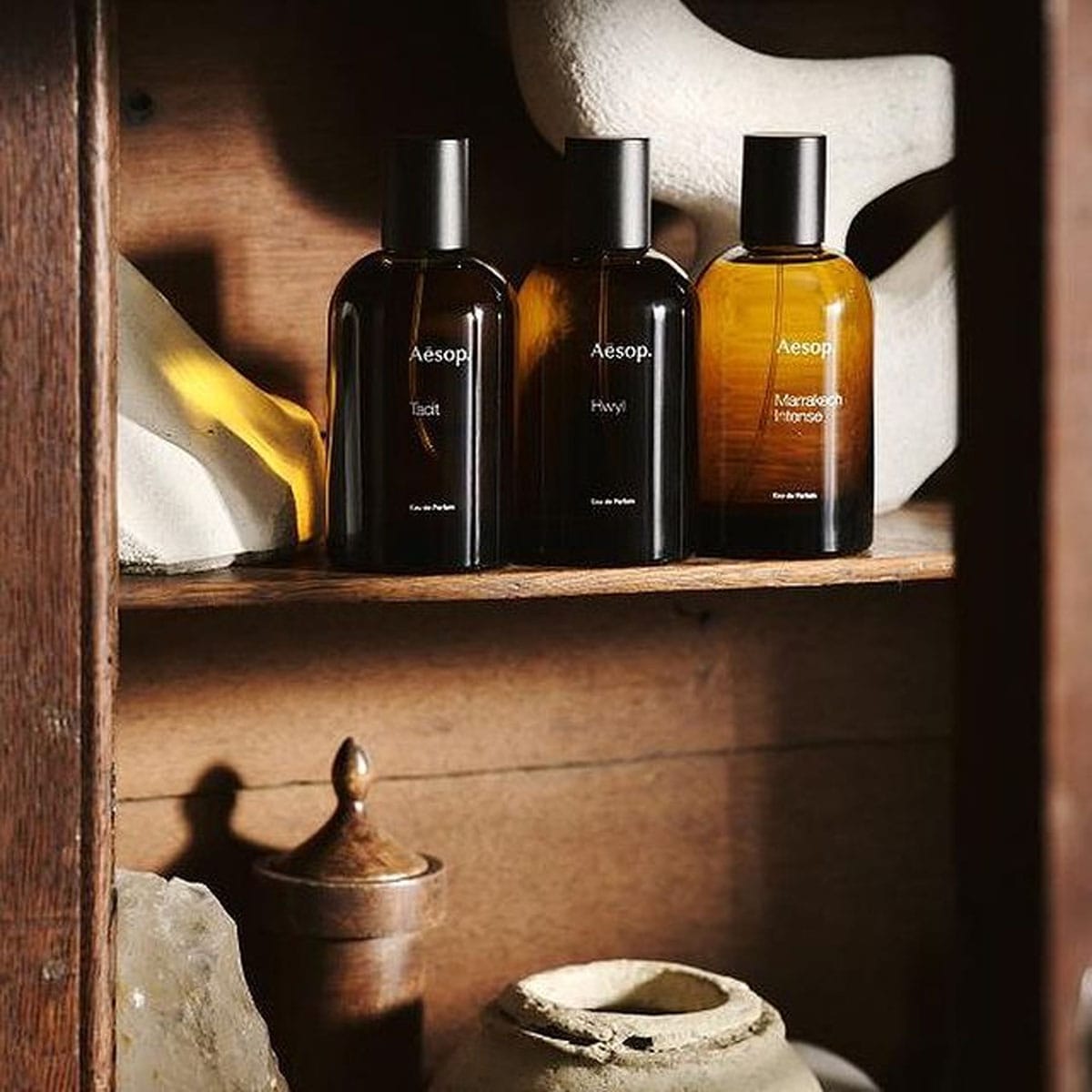
The majority of the buildings visible today date from around 1900, following a systematic programme of rebuilding carried out by the Portland, and later Howard de Walden, Estate as old leases were renewed. The family inherited the estate in 1879 and set about replacing much of the earlier stock. By the mid-1990s the street had fallen into considerable decline, with approximately one third of shops lying vacant. The estate responded by carefully managing the tenant mix, favouring independent retailers and specialists over chain operators.
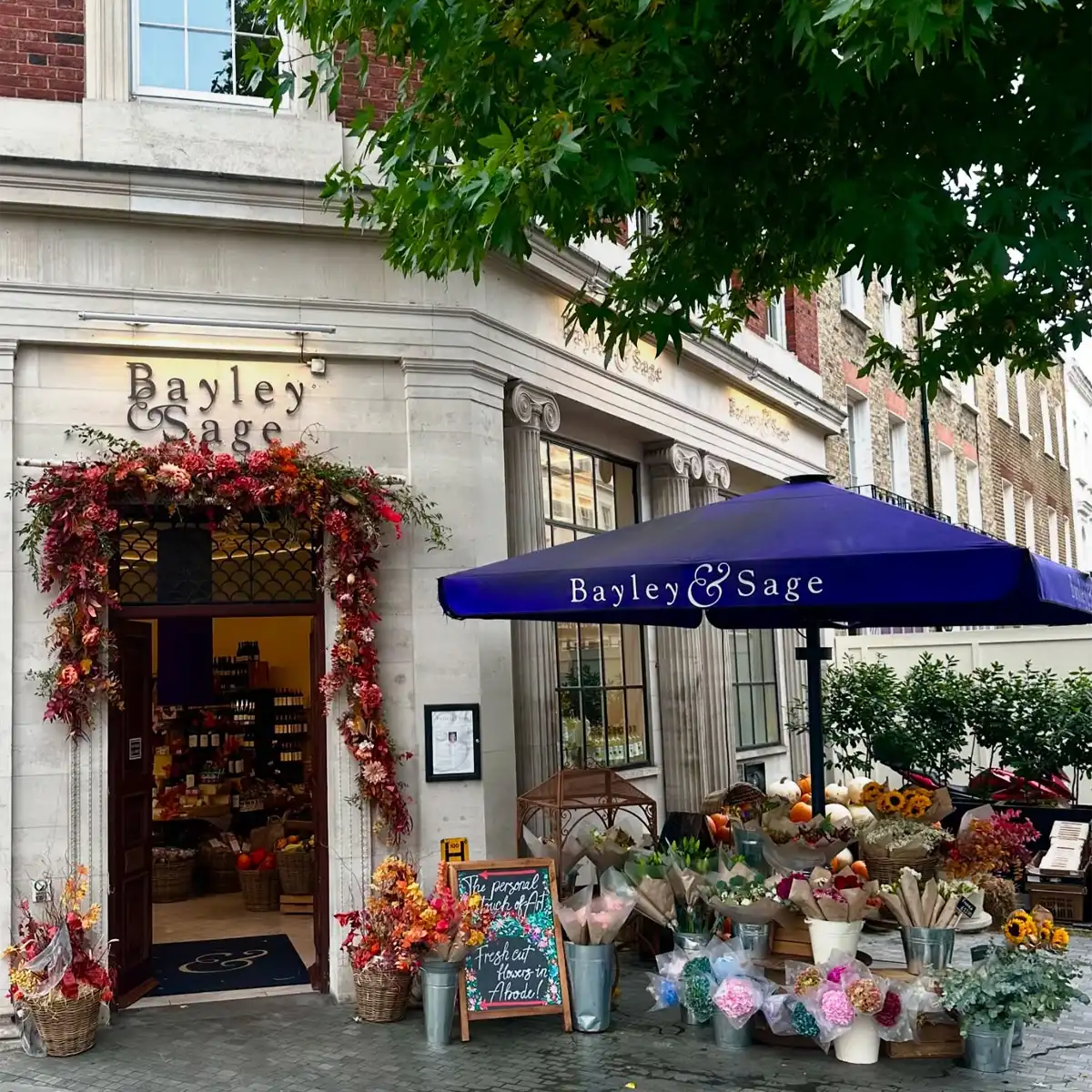
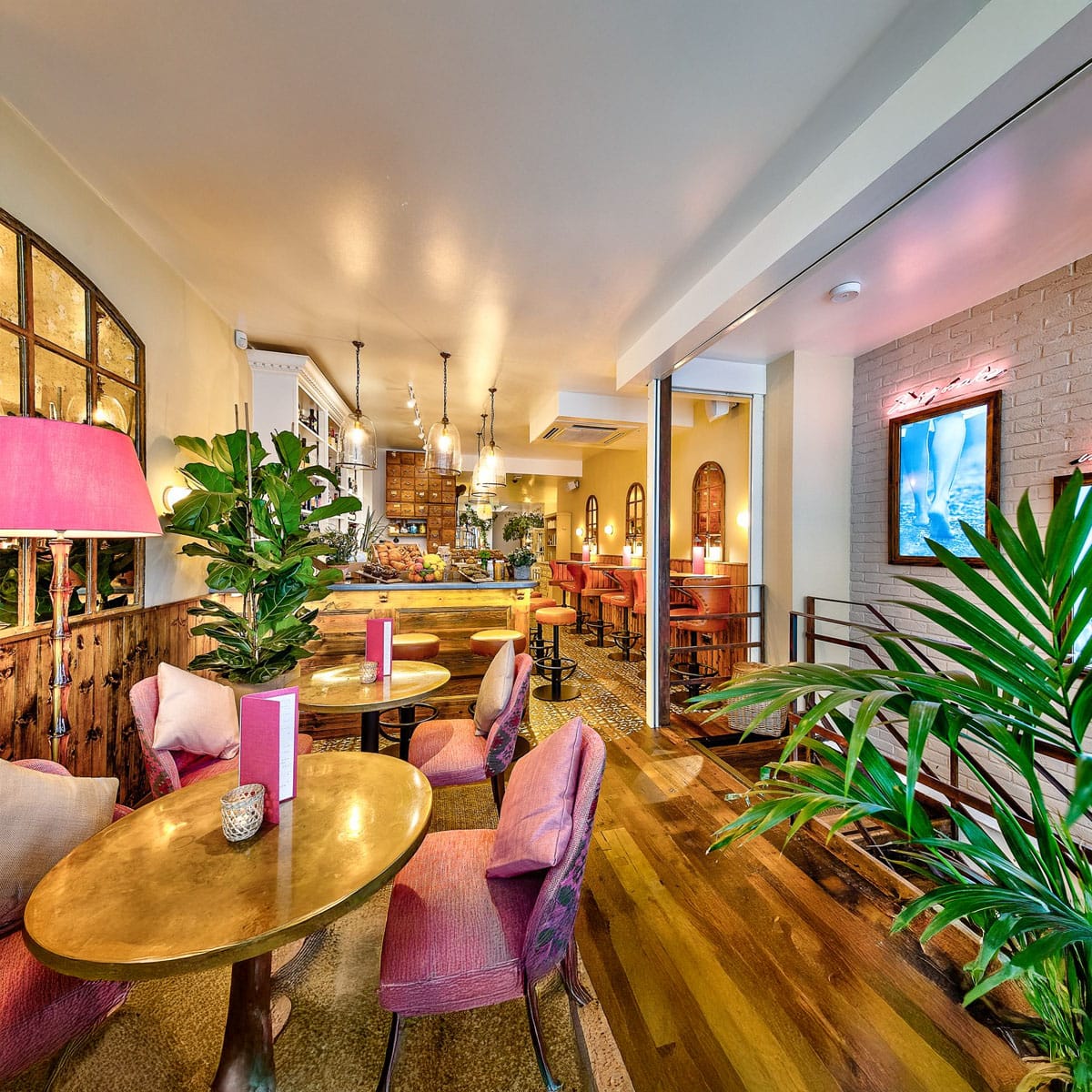
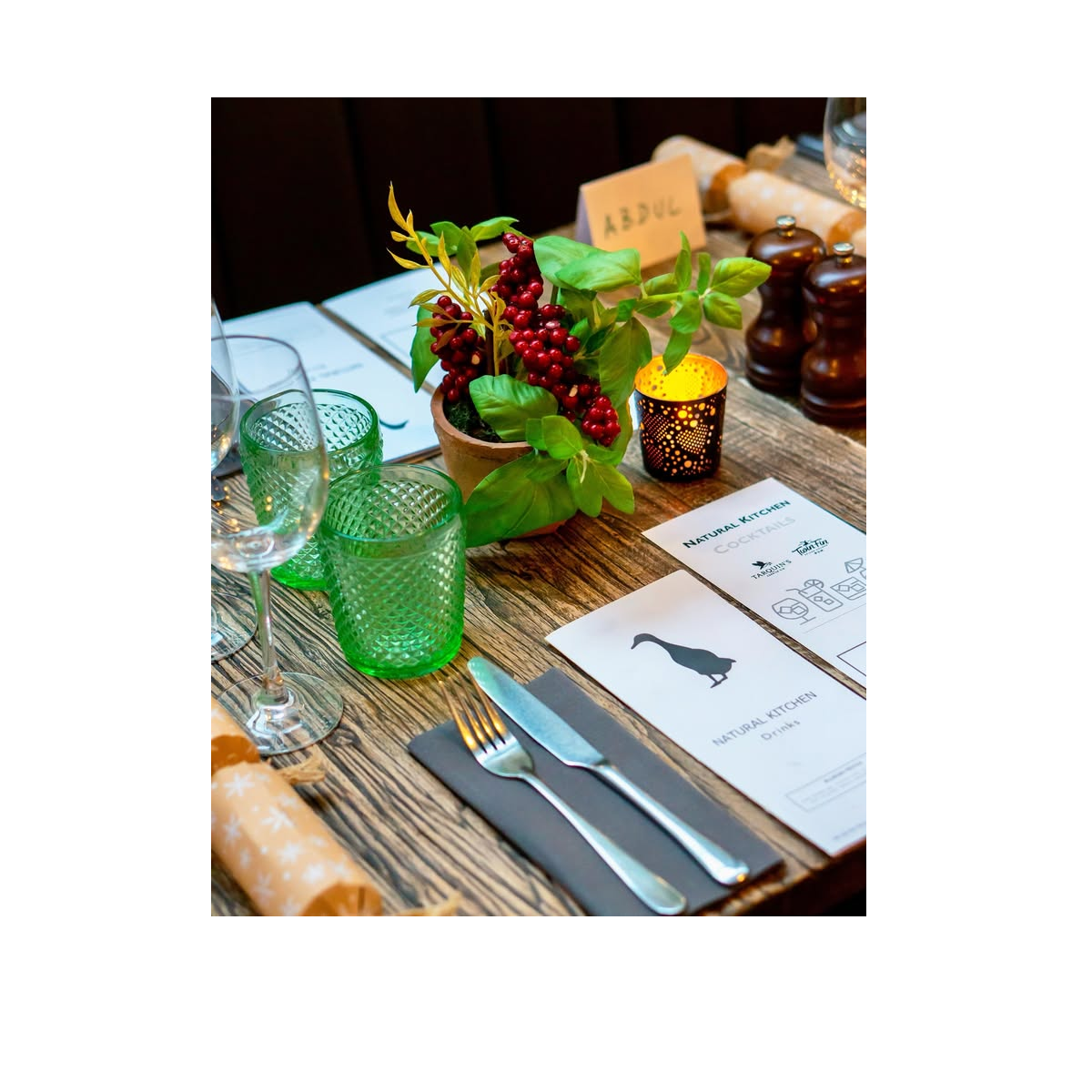
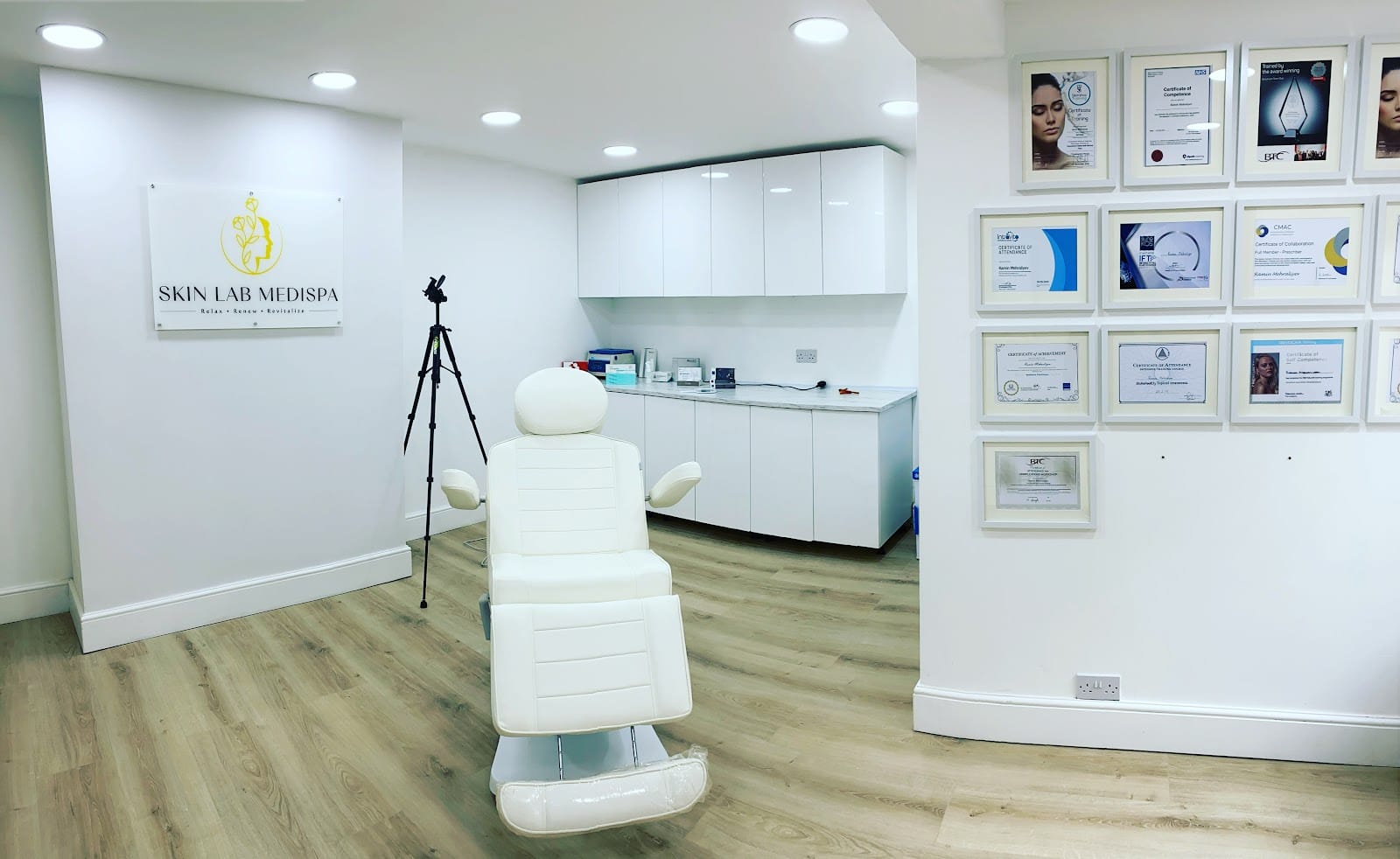
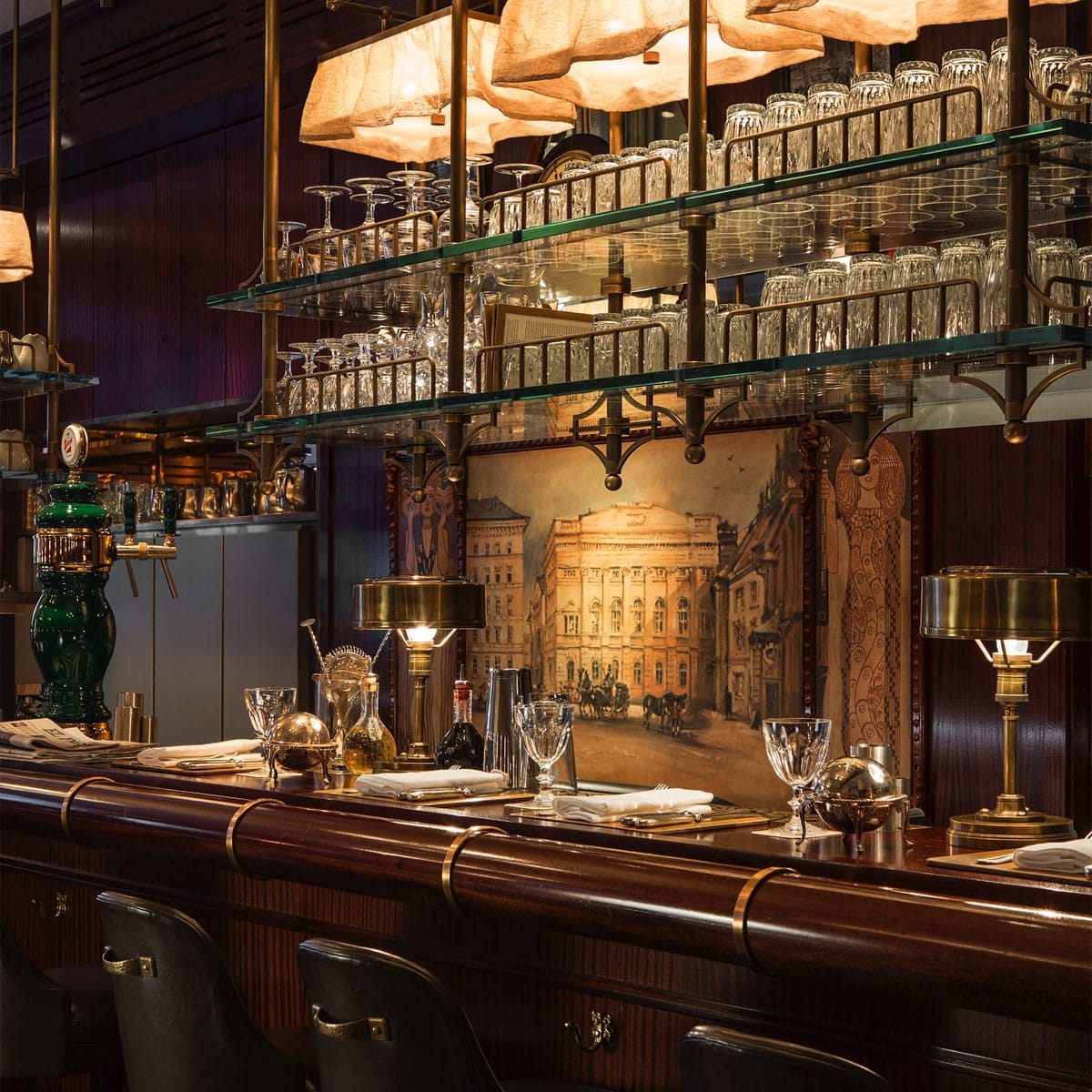
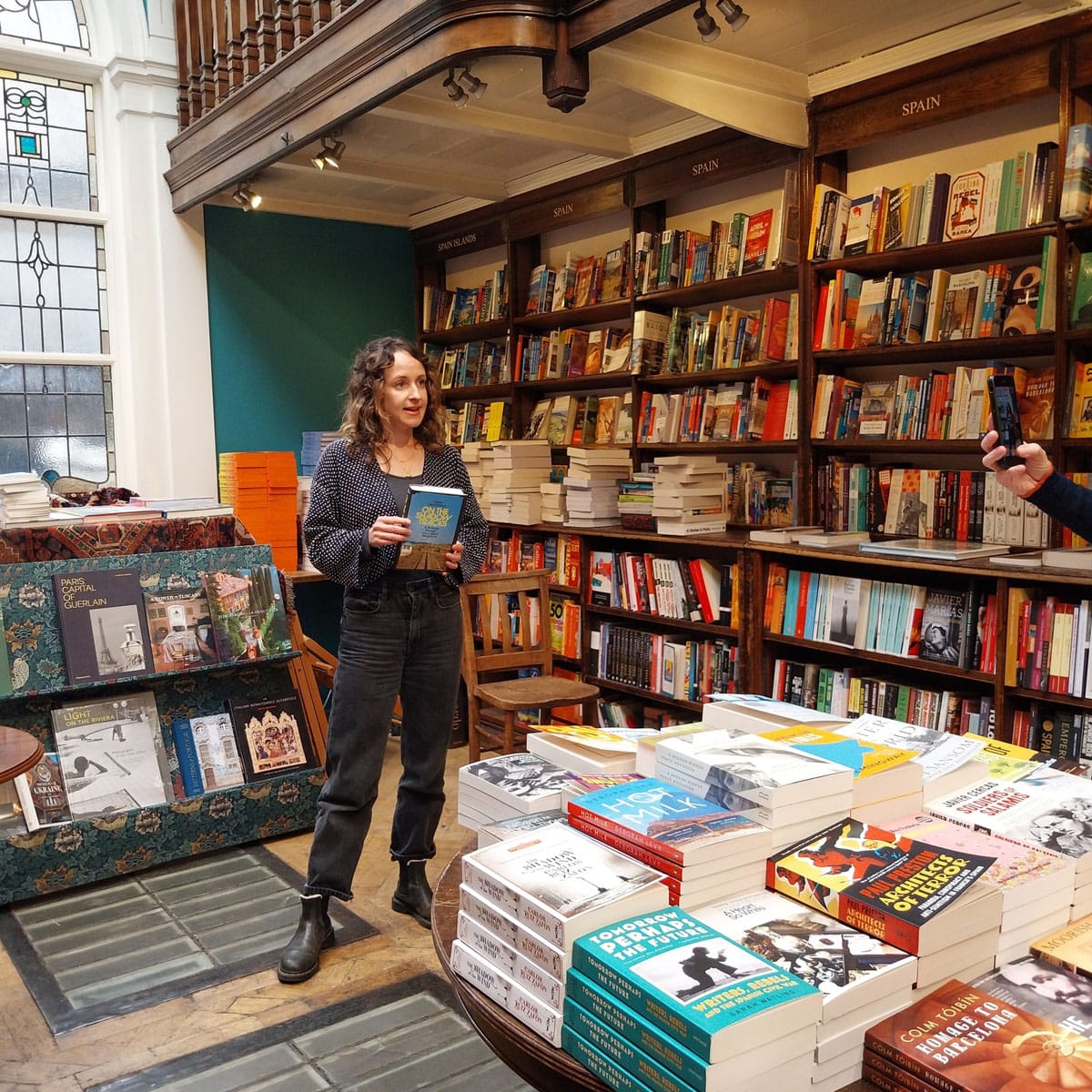
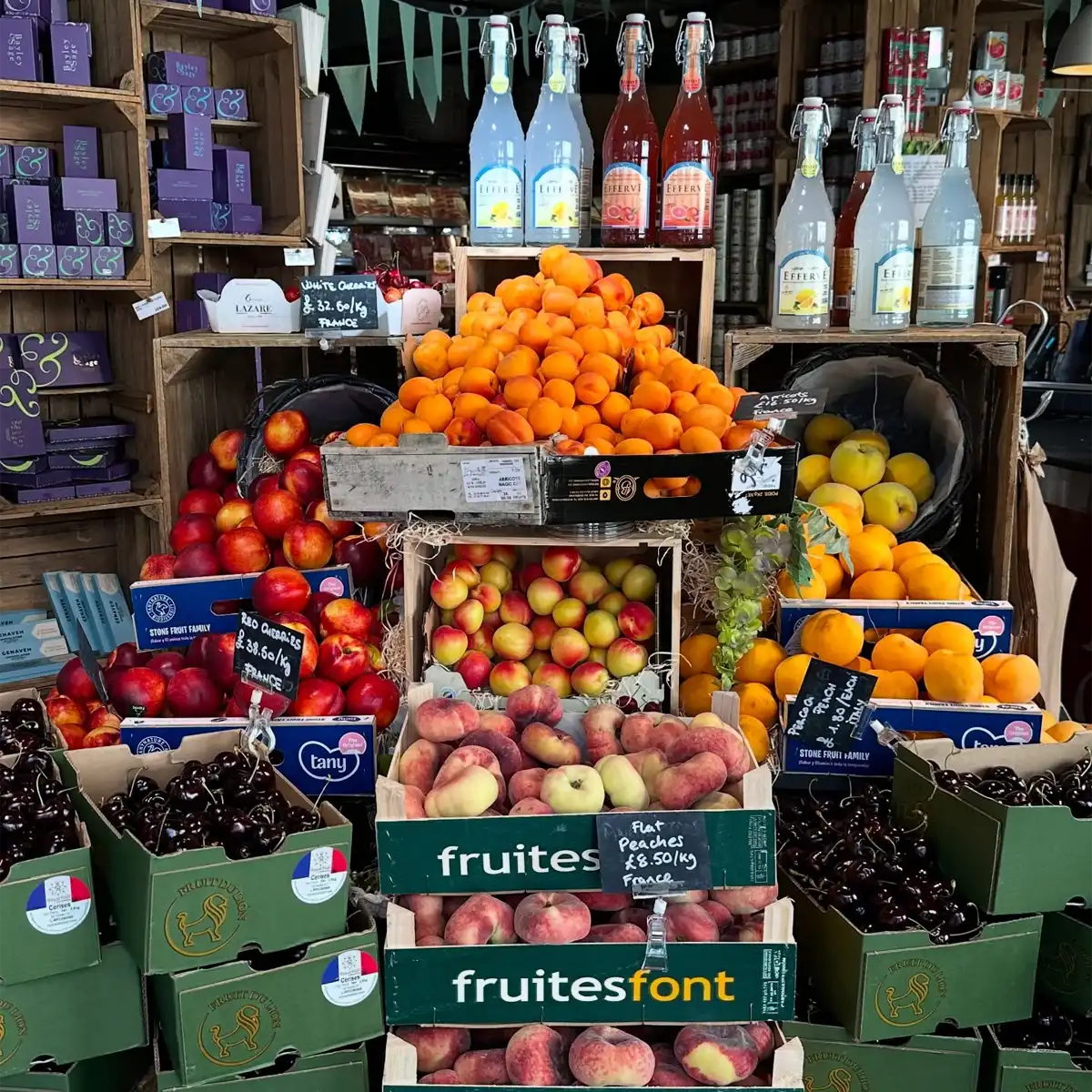
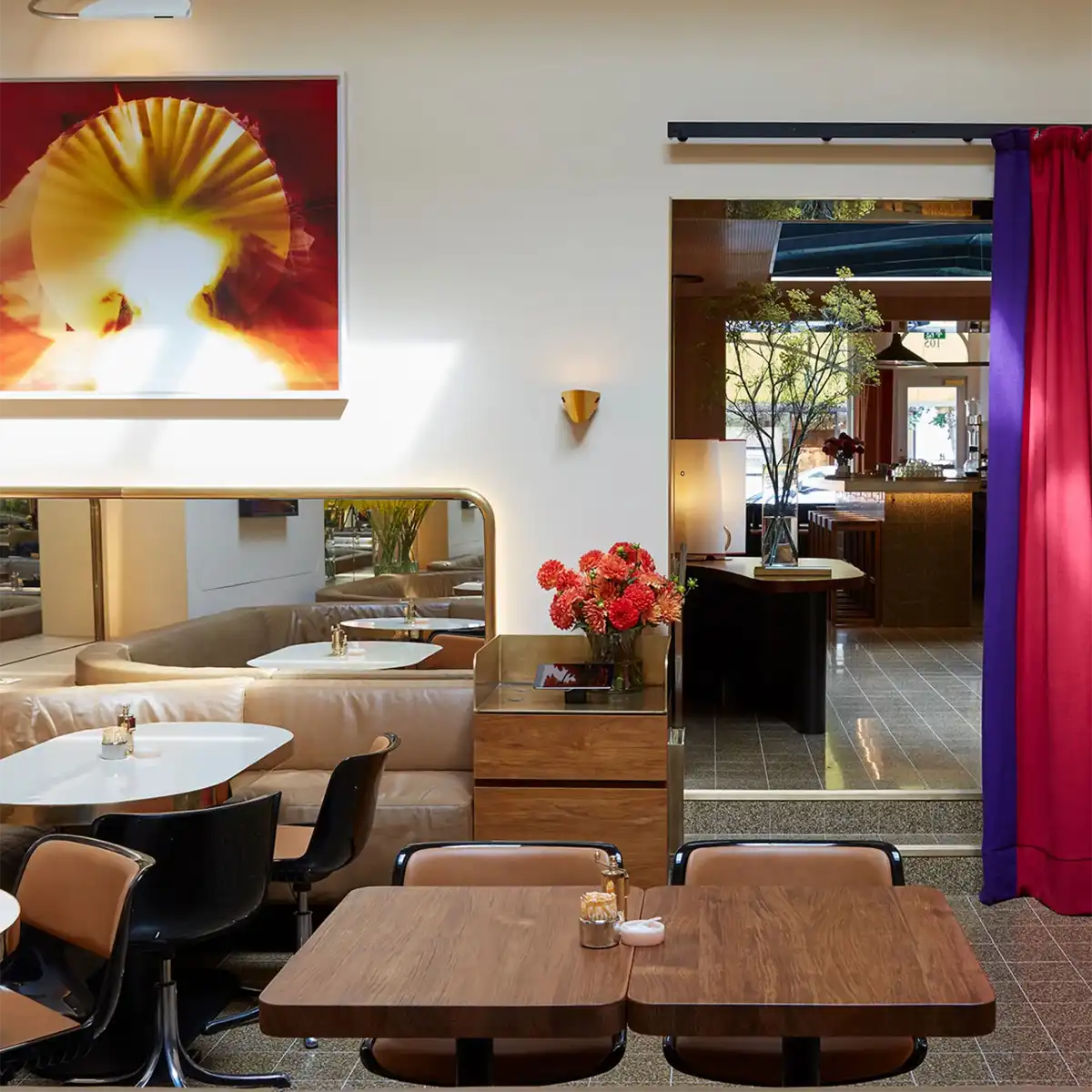
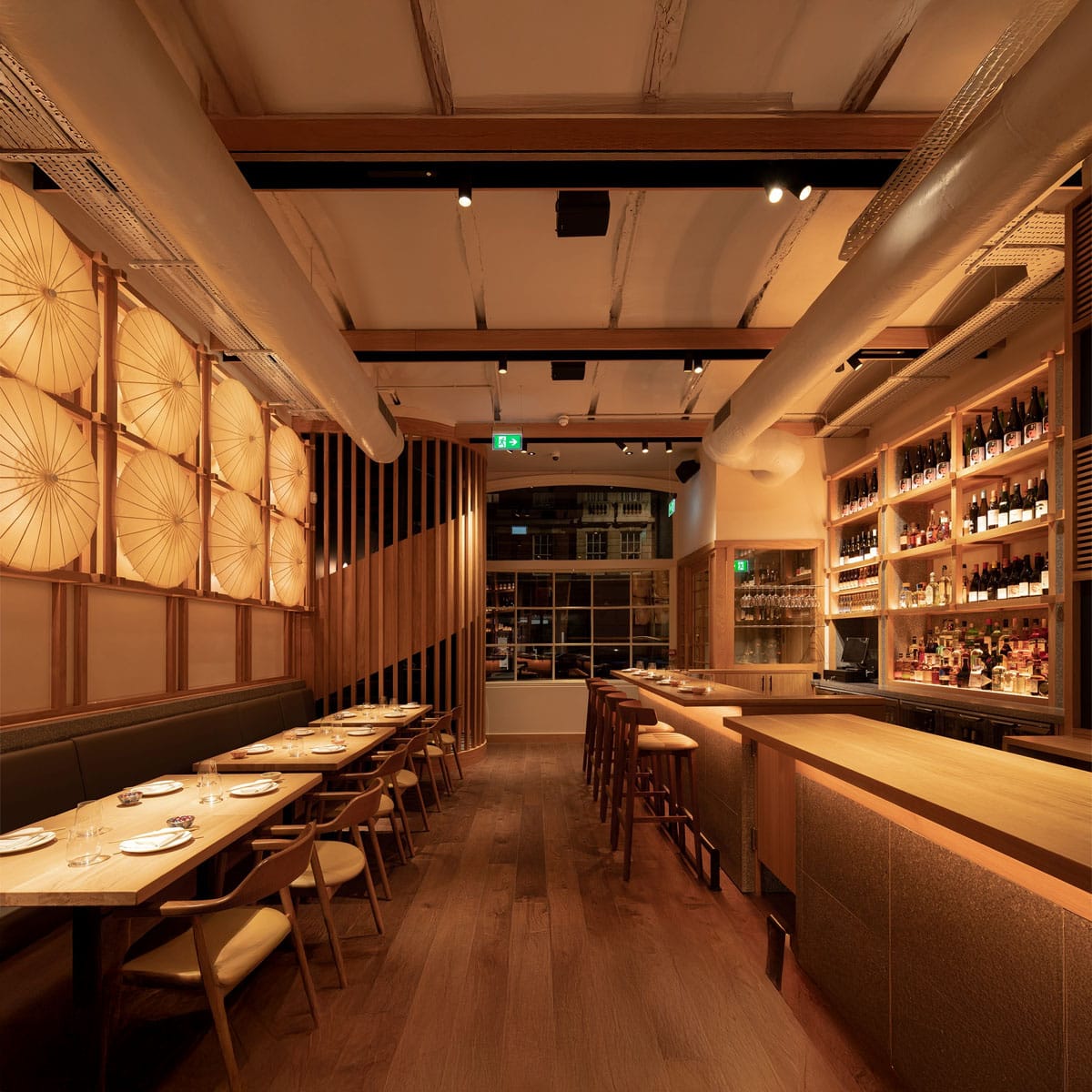
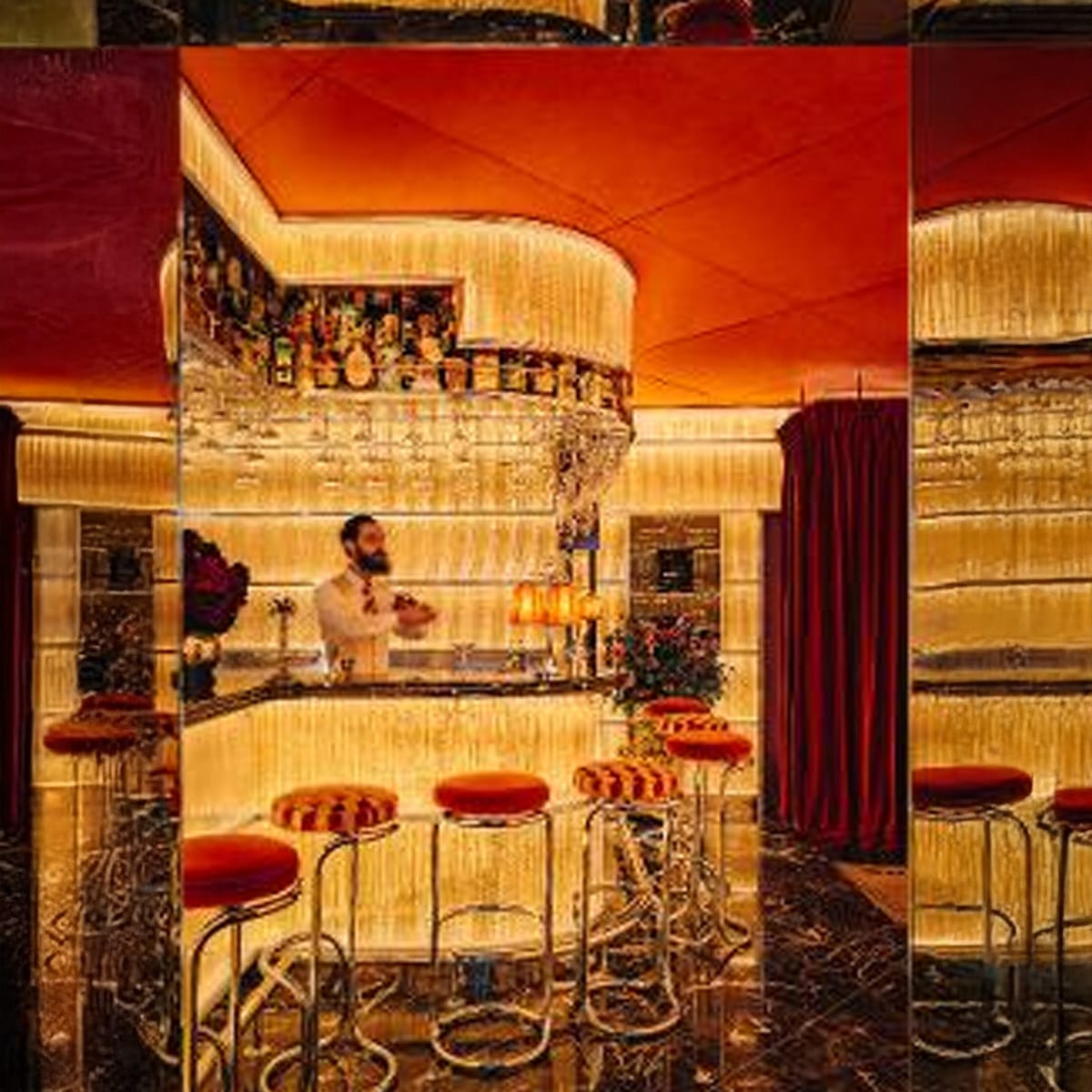
The result is a street that reads as distinctly local despite sitting within one of the wealthiest postcodes in London W1. Fishmongers, bakers, bookshops and medical suppliers share frontages with florists and small restaurants. The weekly farmers market, held in the Cramer Street car park just off the High Street, draws residents from across the parish. Parallel to the east runs Wigmore Street, which marks the southern boundary of the full estate holding.
The Marylebone Gazette
Delivered monthly to your inbox
Subscribe for the latest from Marylebone.