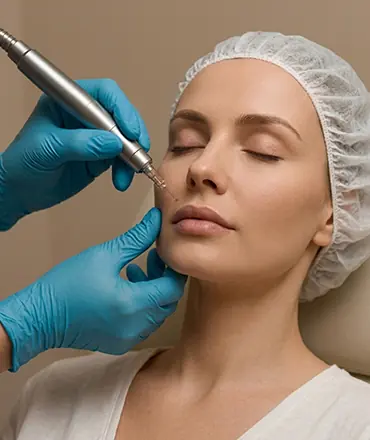
Choosing an aesthetic clinic is a medical decision, not a beauty purchase, and the right approach is to treat it that way. Marylebone and the neighbouring Harley Street area hold one of the highest concentrations of cosmetic and aesthetic clinics in the country, which means the choice is wide but the responsibility for choosing safely sits largely with you. The single most useful principle is to judge a clinic on the qualifications and regulation of the person who will treat you, rather than on its address, its marketing or its prices.
This guide explains how to choose an aesthetic clinic in Marylebone with safety first, covering how non-surgical treatments are regulated in 2026, how to check a practitioner's credentials, what a proper consultation looks like, and the warning signs that should make you walk away. It is general information rather than medical advice, and anyone considering a procedure should raise their own circumstances with a qualified, regulated professional. The aim is to help you ask better questions and make a calmer, more informed decision.
How to Choose an Aesthetic Clinic Safely in Marylebone
To choose an aesthetic clinic safely in Marylebone, start with the practitioner, not the premises. Confirm that the person performing or overseeing your treatment is registered with the relevant healthcare regulator, that you will have a genuine face-to-face consultation, that the products used are licensed, and that you understand how the treatment is regulated before you book anything.
Price and marketing are the least reliable guides. A polished website, a prestigious postcode and a low introductory offer tell you nothing about clinical safety, and the cheapest option is often the one cutting the corners that matter most. The clinics worth your trust are the ones that welcome questions about qualifications, products and complications rather than rushing you past them.
Marylebone offers both ends of the wellness spectrum, from relaxing spa treatments to clinical aesthetics, and the two should not be confused. A spa day is a leisure decision, while an aesthetic procedure is a medical one, and the standard of scrutiny you apply should reflect that difference.
Understand How Aesthetic Treatments Are Regulated in 2026
Understanding the regulation matters because it is still incomplete. As of 2026, England has no single licensing scheme in force for non-surgical cosmetic treatments. The Health and Care Act 2022 gave the government the power to create one, and a consultation response was published in 2025, but the scheme is still being developed, with a further consultation expected before it becomes law.
What that means in practice is a patchwork. The Care Quality Commission, the healthcare regulator in England, currently oversees only a small number of the highest-risk procedures, and standard treatments like facial Botox and dermal fillers fall outside its current remit. A proposed system would sort procedures into red, amber and green tiers by risk, restricting the highest-risk treatments to regulated healthcare professionals in CQC-registered premises, but that framework is not yet in force.
The gap is the reason due diligence falls to the patient. Because most common treatments are not yet covered by a dedicated licence, the fact that a clinic operates legally does not by itself guarantee that the person treating you is medically qualified. Until the new scheme arrives, the most reliable signals of safety are the practitioner's professional registration and any voluntary accreditation they hold, not the existence of a clinic alone.
The picture also varies across the UK. Scotland is introducing its own legislation for non-surgical procedures, and the proposed England scheme would have local authorities licence both practitioners and premises for the middle tier of treatments, such as Botox and fillers, against standards for training, hygiene and insurance. The direction of travel is clearly towards tighter control, but until the rules commence, the older and lighter regime still applies to most treatments.
Check the Practitioner's Registration and Qualifications
The most important check is the practitioner's registration, and it is free to do. Doctors are listed on the General Medical Council register, dentists on the General Dental Council register, nurses on the Nursing and Midwifery Council register, and pharmacists on the General Pharmaceutical Council register, and each body lets the public confirm a name online in minutes.
Registration tells you the person is a regulated healthcare professional who can be held accountable. A doctor, dentist or nurse on a live register is bound by professional standards and a complaints process, which a beautician working outside any healthcare regulation is not. For injectable treatments in particular, treatment by, or under the direct oversight of, a registered prescriber is the baseline most experts recommend.
Voluntary registers add another layer. Save Face and the Joint Council for Cosmetic Practitioners both run accredited registers of practitioners and clinics that have been independently checked against safety standards, and a listing on either is a useful, if not mandatory, mark of credibility. Ask which registers a clinic and its practitioners appear on, and verify the answer yourself rather than taking it on trust.
What to Expect From a Proper Consultation
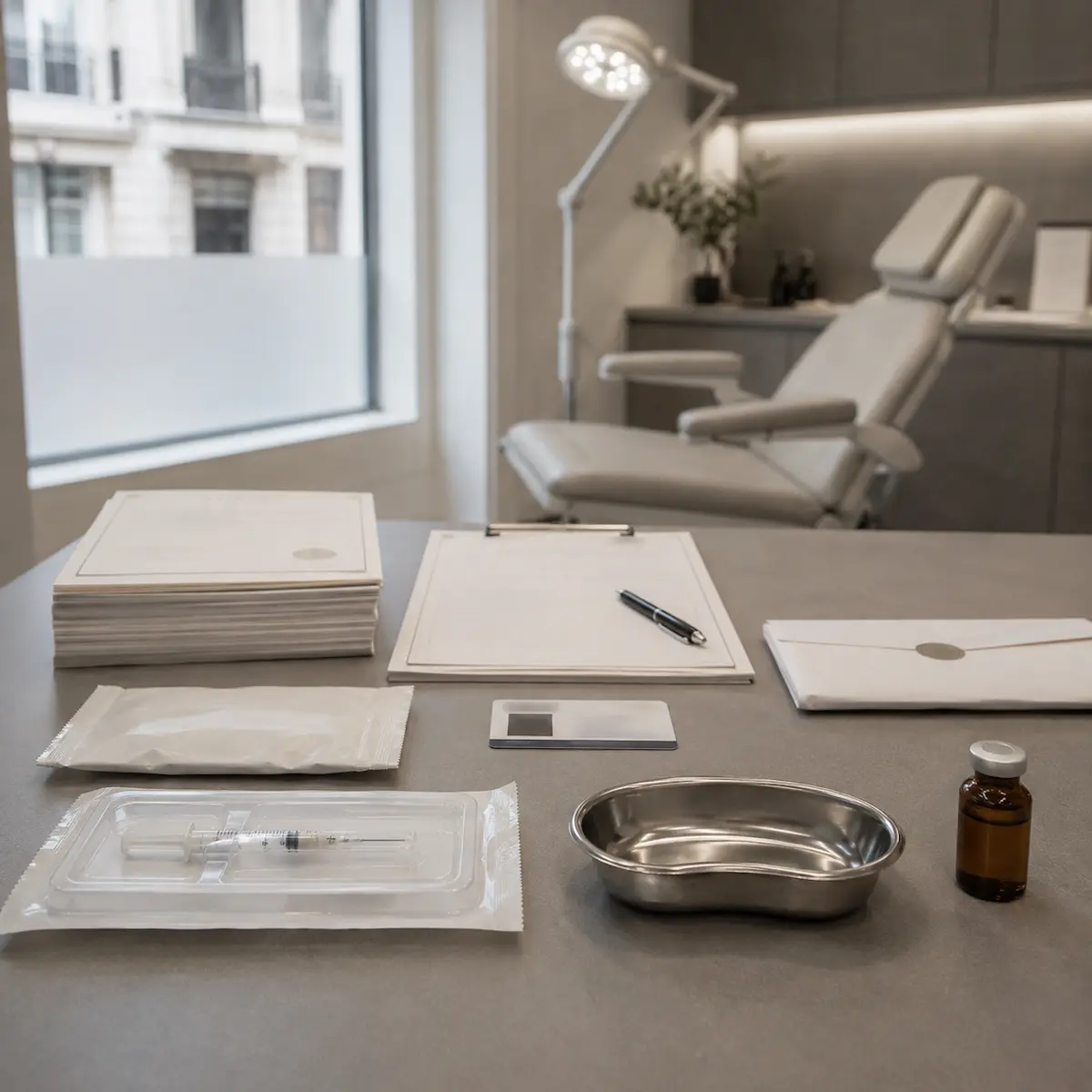
A proper consultation happens before any treatment and in person. Since June 2025, prescribers in the UK must carry out a face-to-face assessment before prescribing the medicines used in treatments like Botox, so a clinic offering to prescribe remotely or to treat on a first walk-in without a real consultation is not following current practice.
A good consultation does several things. It takes a full medical history, discusses what the treatment can and cannot realistically achieve, explains the risks and the aftercare, identifies who will actually perform the procedure, and gives you time to decide rather than pressing you to commit on the day. You should leave understanding the plan and feeling free to walk away, not booked in before you have thought it through.
Pressure is the warning sign to watch for here. Time-limited discounts that only apply if you book immediately, a reluctance to discuss complications, or a consultation that feels like a sales pitch are all reasons to pause. A clinic confident in its safety has no need to rush you, and the better ones build in a cooling-off period precisely so that the decision is yours and unhurried.
Aftercare is part of a proper service, not an optional extra. A clinic should explain what to expect in the days after a treatment, how to recognise a problem, and exactly who to contact if one arises, with a clear route back to the person who treated you. A clinic that takes your money and offers no follow-up has told you something important about how it views its responsibility to you.
Red Flags and How to Spot an Unsafe Clinic
The clearest red flag is unlicensed products. The safety of an injectable treatment depends heavily on using a licensed product administered correctly, and unbranded or unlicensed alternatives carry serious risk. In the summer of 2025, England recorded dozens of cases of botulism poisoning linked to suspected unlicensed botox-like products, a stark reminder of what is at stake.
Other warning signs cluster together. Be wary of any clinic that will not name the regulated professional responsible for your treatment, that offers procedures in a party or group setting, that prices treatments far below the market without explanation, that cannot show evidence of insurance, or that is willing to prescribe without meeting you. None of these on its own proves harm, but together they describe exactly the kind of operation the coming regulation is designed to stop.
Age is an absolute line. It has been illegal since 2021 to provide Botox and dermal fillers to under-18s for cosmetic reasons in England, and any clinic willing to ignore that is breaking the law and should be avoided entirely. If a clinic does not verify age or treats the rule as flexible, nothing else it tells you about safety can be trusted.
Why Marylebone and the Harley Street Area Suit This Decision
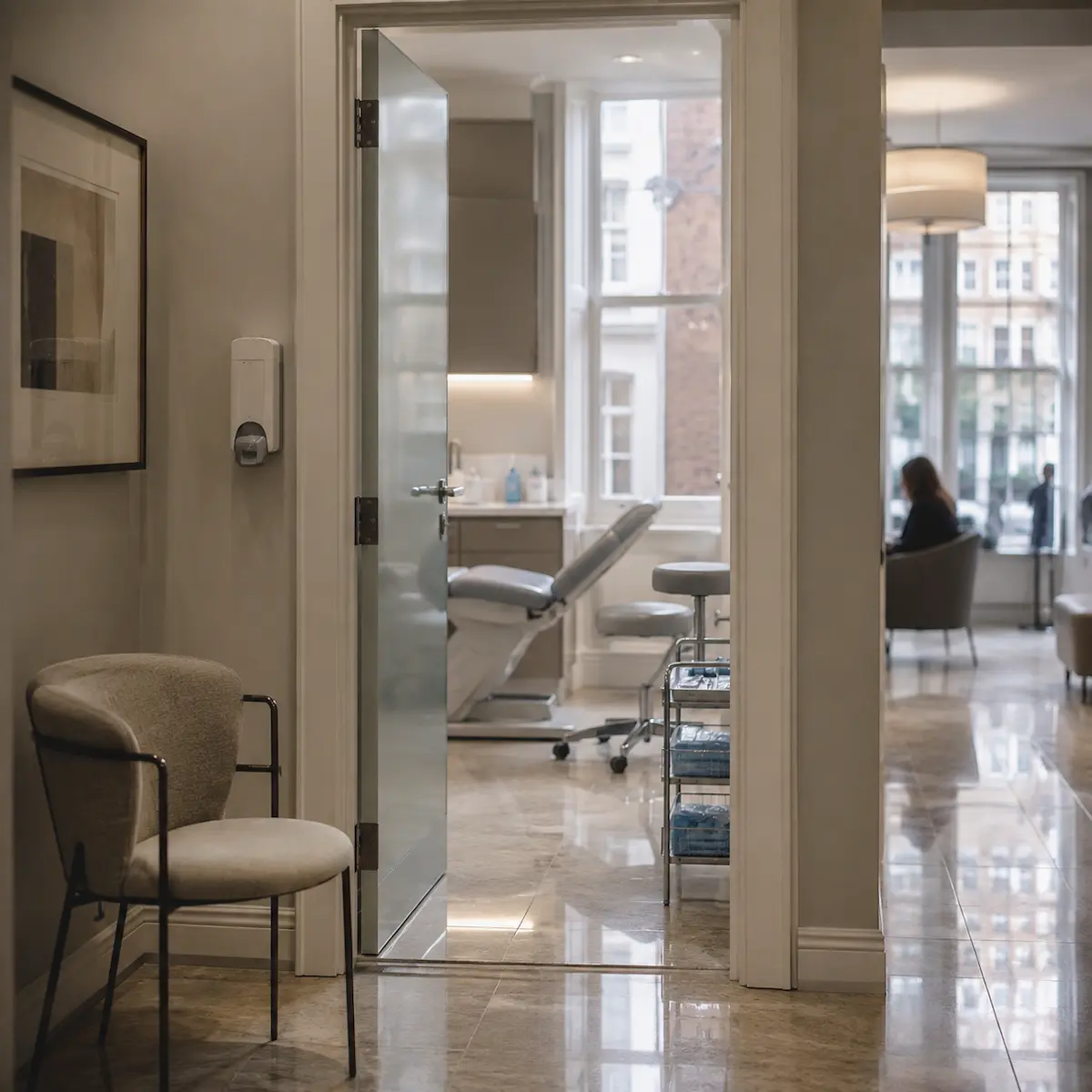
Marylebone suits this decision because it sits beside the Harley Street Medical Area, the long-established centre of private medicine in London. The concentration of doctor-led clinics and specialists in and around W1 means many of the practitioners working here are regulated healthcare professionals, and the area's reputation rests on that clinical heritage rather than on beauty marketing.
The postcode is a starting point, not a guarantee. A Harley Street or Marylebone address signals a district with a serious medical tradition, but it does not by itself confirm that a particular clinic or practitioner meets the standards that matter, and unregulated operators can take a smart address as easily as anyone. The checks in this guide apply to a W1 clinic exactly as they would anywhere else.
Used well, the location is an advantage. Being able to see a registered, doctor-led clinic, and to fit a consultation into a wider day in the neighbourhood, makes Marylebone a sensible place to make this decision carefully rather than in a hurry.
Fun fact: Harley Street has been synonymous with British private medicine since the mid-19th century, when specialist doctors began clustering on the street, and its name is now used as shorthand for the profession itself.
Questions to Ask Before You Book
Before you book, a short list of questions will tell you most of what you need to know. Ask who will carry out the treatment and which register they are on, what product will be used and whether it is licensed, whether there is a face-to-face consultation, and what happens if something goes wrong, including who manages complications and whether the clinic is insured.
The answers matter as much as the willingness to give them. A reputable clinic will answer all of these plainly, let you verify the practitioner's registration yourself, show you examples of its own work, and explain the aftercare and follow-up without hesitation. Evasiveness, vagueness about qualifications, or irritation at being asked are themselves the answer, and the answer is to look elsewhere.
Take the decision at your own pace. There is no safe procedure that cannot wait until you have checked the practitioner, understood the risks and slept on it, and the clinics worth choosing are the ones that respect exactly that. The right choice is the one you make calmly, with the facts in front of you.
The safe way to choose an aesthetic clinic in Marylebone is to put credentials before everything else. Check that the practitioner is registered with a healthcare regulator, insist on a real face-to-face consultation, confirm the products are licensed, and treat any pressure, vagueness or bargain pricing as a reason to walk away. Remember that the regulation is still catching up, so the due diligence is yours to do, and a smart address is no substitute for a verified professional. None of this is medical advice, and your own circumstances should be discussed with a qualified clinician, but approaching the decision this carefully is what separates a good outcome from a cautionary tale. Choose the clinic that earns your trust by welcoming your questions, not the one that hurries you past them.
Continue Reading
The Marylebone Gazette
Delivered weekly to your inbox
Join 12,000+ Marylebone insiders