Specialists in Marylebone
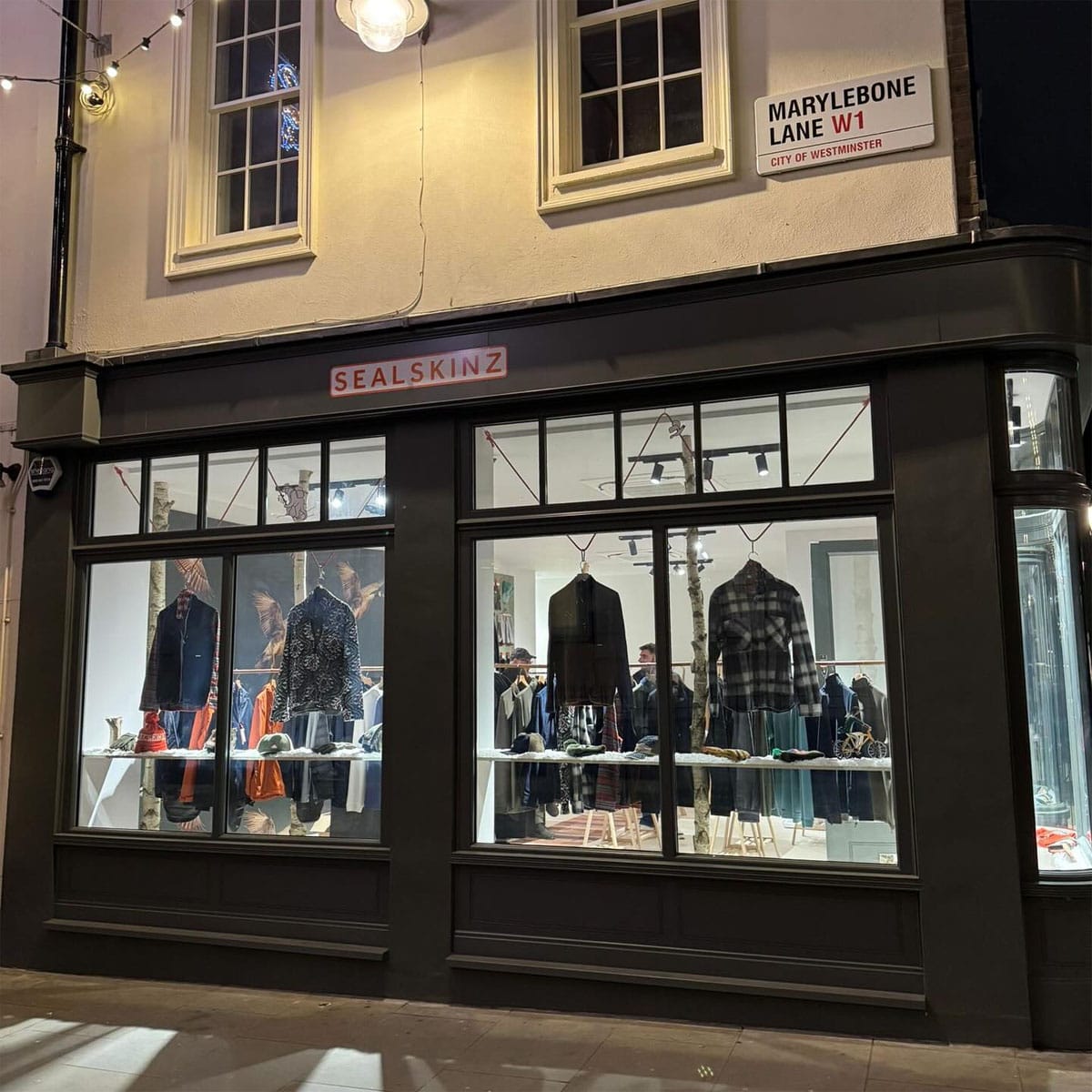
Hinde Street
Hinde Street runs east from Manchester Square to the junction of Marylebone Lane and Bentinck Street, sitting squarely within the Portman Estate's western section of Marylebone. It was built from 1777 by Samuel Adams and named after Jacob Hinde, son-in-law of the ground landlord Thomas Thayer.
The street is principally known for Hinde Street Methodist Church, which gives it a quiet civic gravity unusual for such a short thoroughfare. The first chapel on or near this site opened in 1810, occupying what was then marshy ground beside the Tyburn stream, which ran along the course now followed by Marylebone Lane. That early building, holding around 900 worshippers and nicknamed The Dutch Oven on account of its shape, was demolished in the 1880s. The present church, designed by James Weir and considered his finest work, opened on 29 September 1887.
The residential fabric of Hinde Street reflects typical Portman Estate terrace construction. Number 2 on the south side is a late-eighteenth-century town house built around 1790, representative of the estate's Georgian domestic stock.
The street connects the open green space of Manchester Square to the east end of the Portman Estate grid, and retains a quiet residential and ecclesiastical character that distinguishes it from the busier arteries nearby.
The Marylebone Gazette
Delivered weekly to your inbox
Join 12,000+ Marylebone insiders