Specialists in Marylebone

Margaret Street
Margaret Street runs east to west in Marylebone, between Great Portland Street and Regent Street, with postcodes spanning W1W and W1G. The street straddles the boundary between Marylebone and Fitzrovia, though its most celebrated building anchors it to the Marylebone ecclesiastical tradition of the Victorian period.
All Saints, Margaret Street is widely regarded as the most influential Victorian urban church in England. Designed by William Butterfield and built between 1849 and 1859, it occupies a tightly compressed courtyard site and achieves a remarkable vertical drama through the use of red and black polychrome brickwork. The tower soars above the surrounding streets in a manner inspired by Perpendicular Gothic forms. The church grew out of the Oxford Movement's engagement with the restoration of historical Anglican worship, and its interior, with its dense patterning of marble, tile, and painted surfaces, became a benchmark for High Victorian ecclesiastical design. The site had earlier origins as Margaret Street Chapel, dating from 1752.
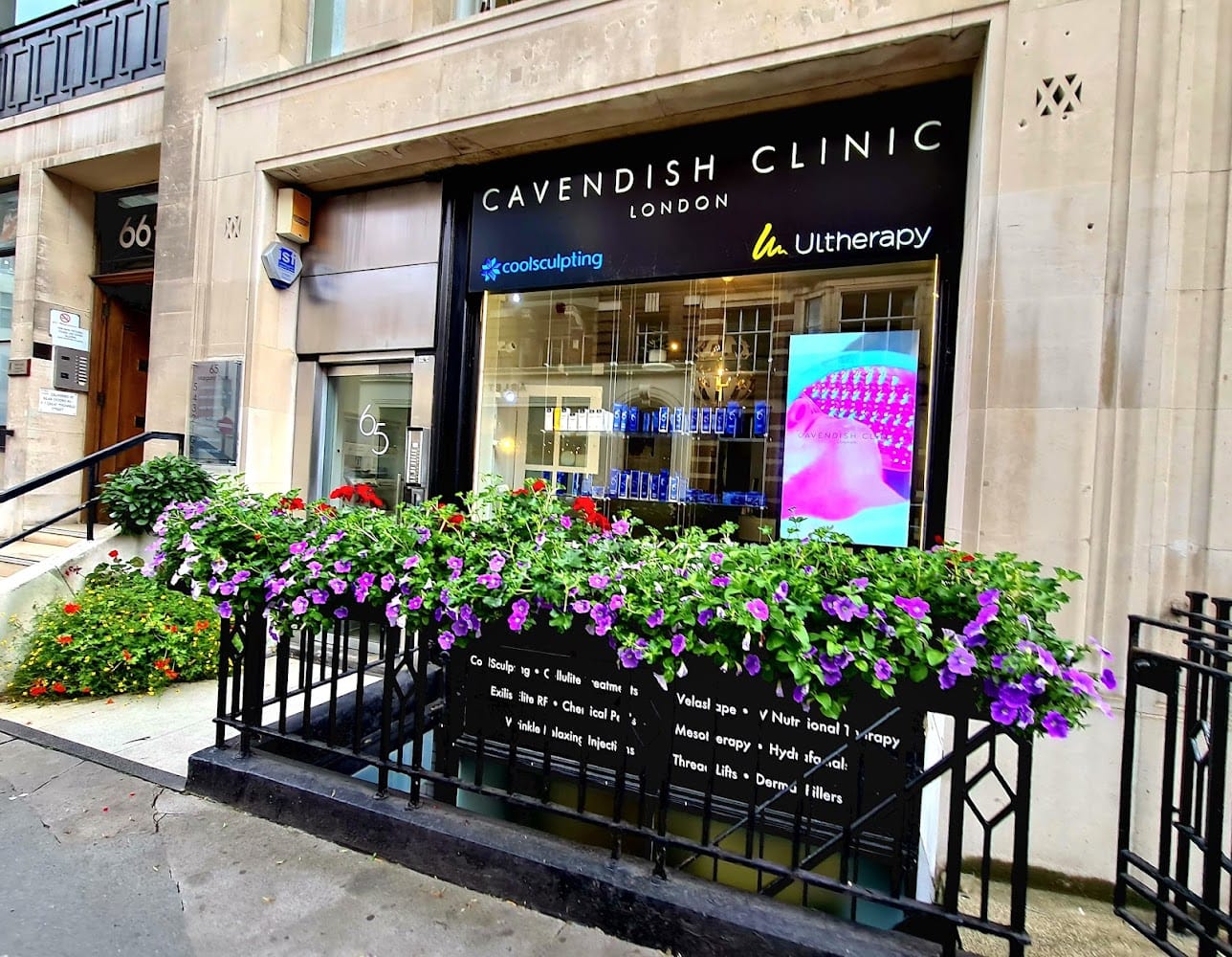
Beyond All Saints, Margaret Street contains a mixture of Victorian and Edwardian commercial buildings reflecting its position as a working street close to the shopping district of Oxford Street. Medical and professional offices occupy several addresses, consistent with the wider neighbourhood. The street is straightforward in its urban function but carries significant architectural weight in the single building that defines its reputation.
The Marylebone Gazette
Delivered weekly to your inbox
Join 12,000+ Marylebone insiders