Specialists in Marylebone
Marylebone Road
Marylebone Road forms the northern boundary of the Marylebone neighbourhood, running east to west as part of the A501 inner ring road. Its origins lie in legislation passed in 1756, when Parliament authorised the construction of the New Road to relieve pressure on Oxford Street and the congested routes through the West End. The road was designed to carry coach and cart traffic from Paddington in the west to Islington in the east, skirting the built-up area rather than cutting through it. It was one of the earliest purpose-built bypass roads in London.
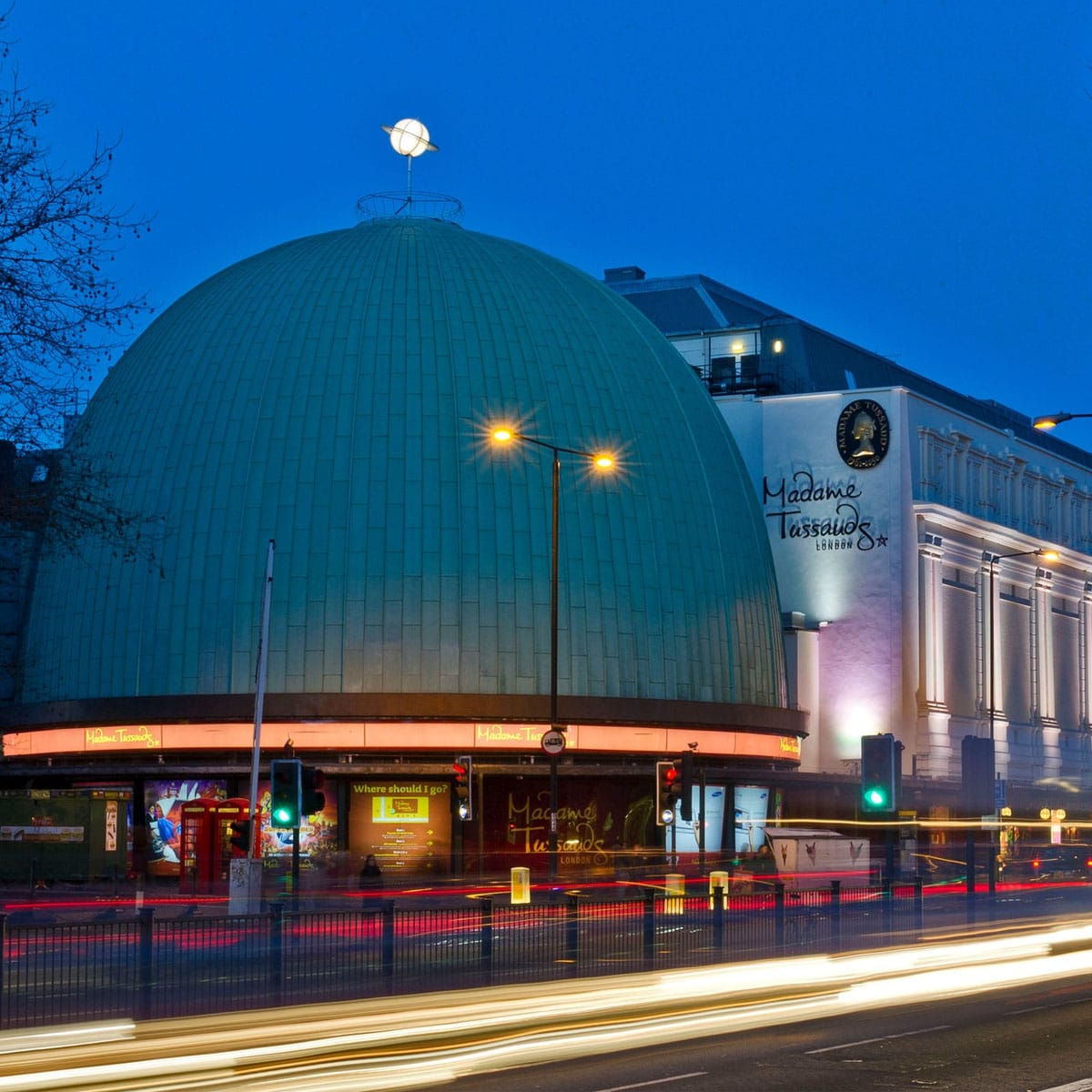
The street's most prominent address is Madame Tussauds, the wax museum founded by Marie Tussaud, who first established her collection on Baker Street in 1835. Her grandson Joseph Randall commissioned the current Marylebone Road building, which opened on 14 July 1884. Baker Street Underground station, serving the Metropolitan, Circle, Jubilee and other lines, sits immediately adjacent and draws considerable foot traffic to this stretch of the road.
Marylebone Road also carries St Marylebone Parish Church, an Anglican church designed by Thomas Hardwick and built between 1813 and 1817. The road's character is primarily civic and institutional rather than residential: the former Marylebone Town Hall at numbers 97 to 113, now the Westminster Council House, was opened in 1920 by Prince Albert. For quieter residential streets to the south, Baker Street connects directly into the neighbourhood's interior grid.
The Marylebone Gazette
Delivered weekly to your inbox
Join 12,000+ Marylebone insiders