Specialists in Marylebone

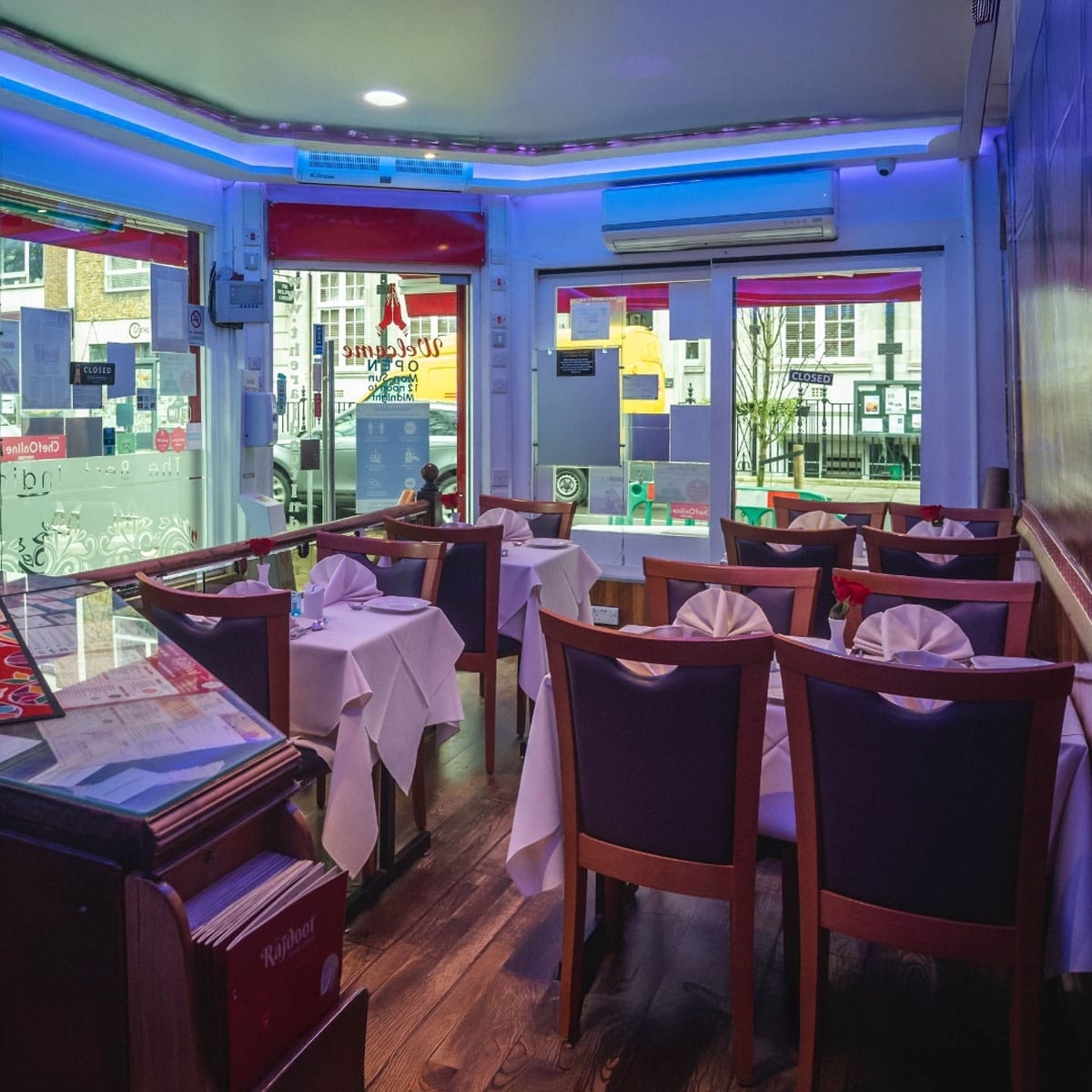
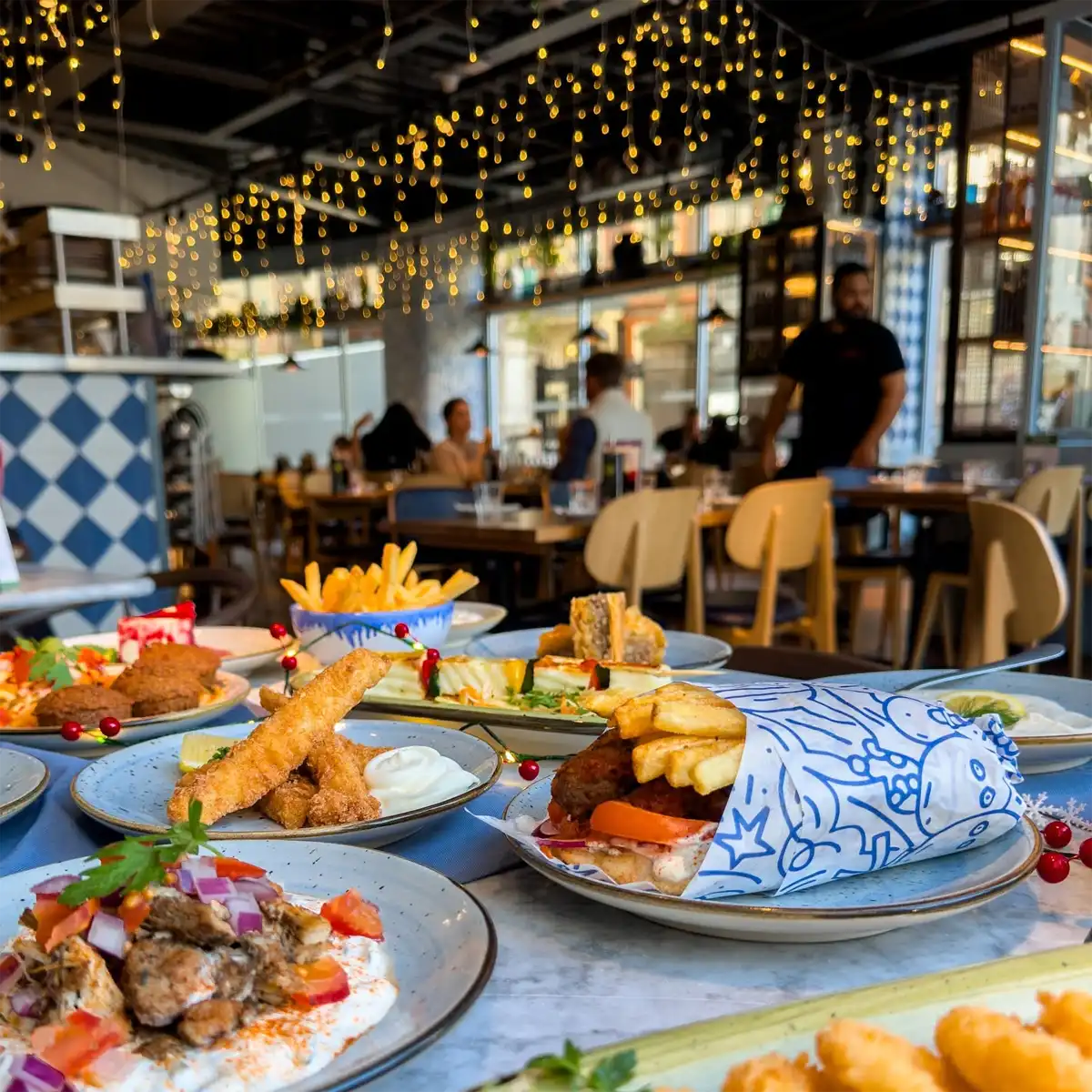
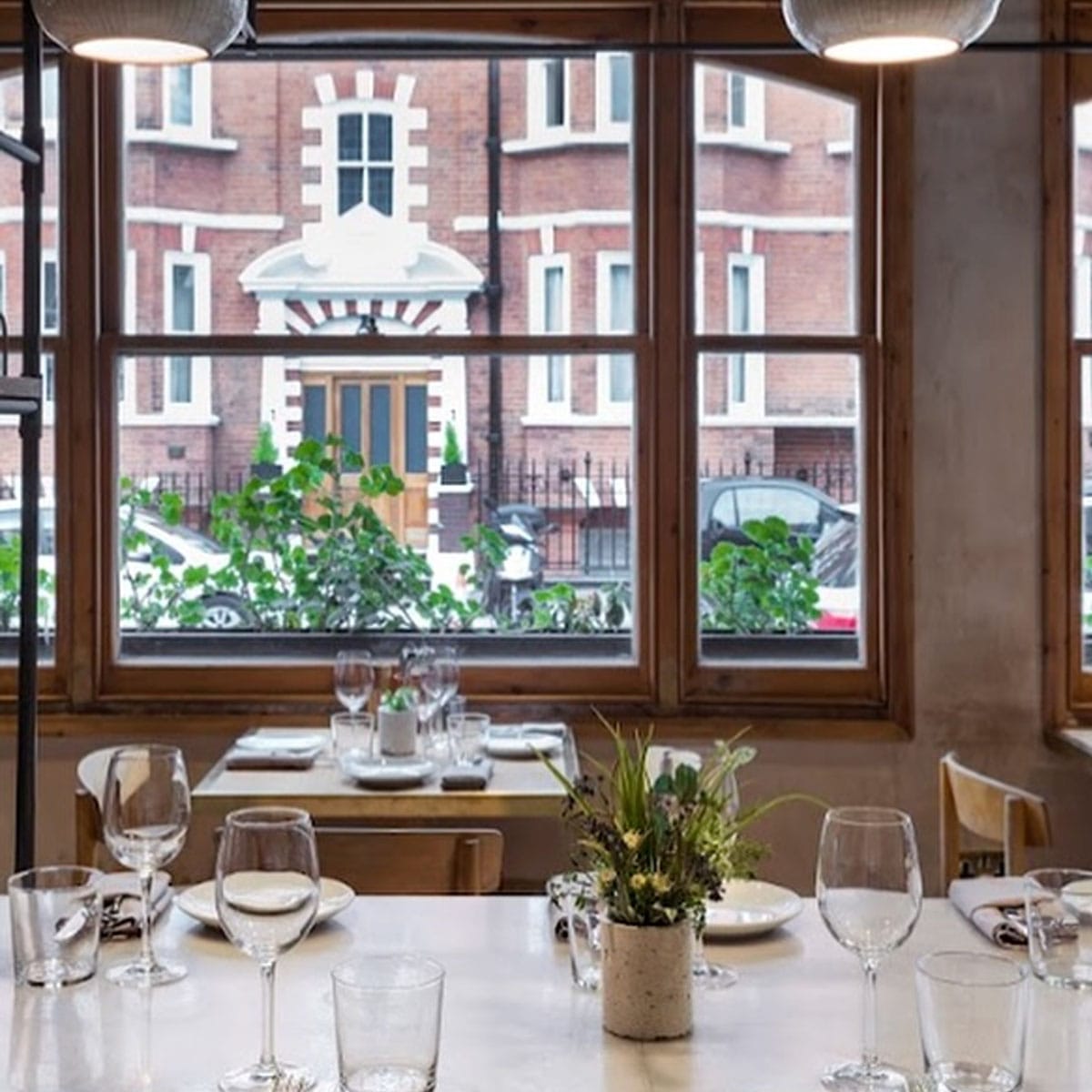
Paddington Street
Paddington Street runs east to west through the heart of Marylebone, connecting Baker Street in the east with Marylebone High Street in the west. Falling within the W1U postcode, it is a quiet residential and commercial street that sits on the Howard de Walden Estate, whose holdings extend across this part of the neighbourhood.
The street's most significant historical feature is Paddington Street Gardens, a pair of public open spaces on the north and south sides that were originally established as burial grounds for St Marylebone Parish Church. The southern plot was donated in 1730 by Edward Harley, 2nd Earl of Oxford and Earl Mortimer, while the northern section was purchased by the parish in 1771. Both fell into disuse as burial grounds during the 19th century, and in 1885 they were converted into public gardens. They were formally opened in 1886 by Princess Louise, Duchess of Argyll.
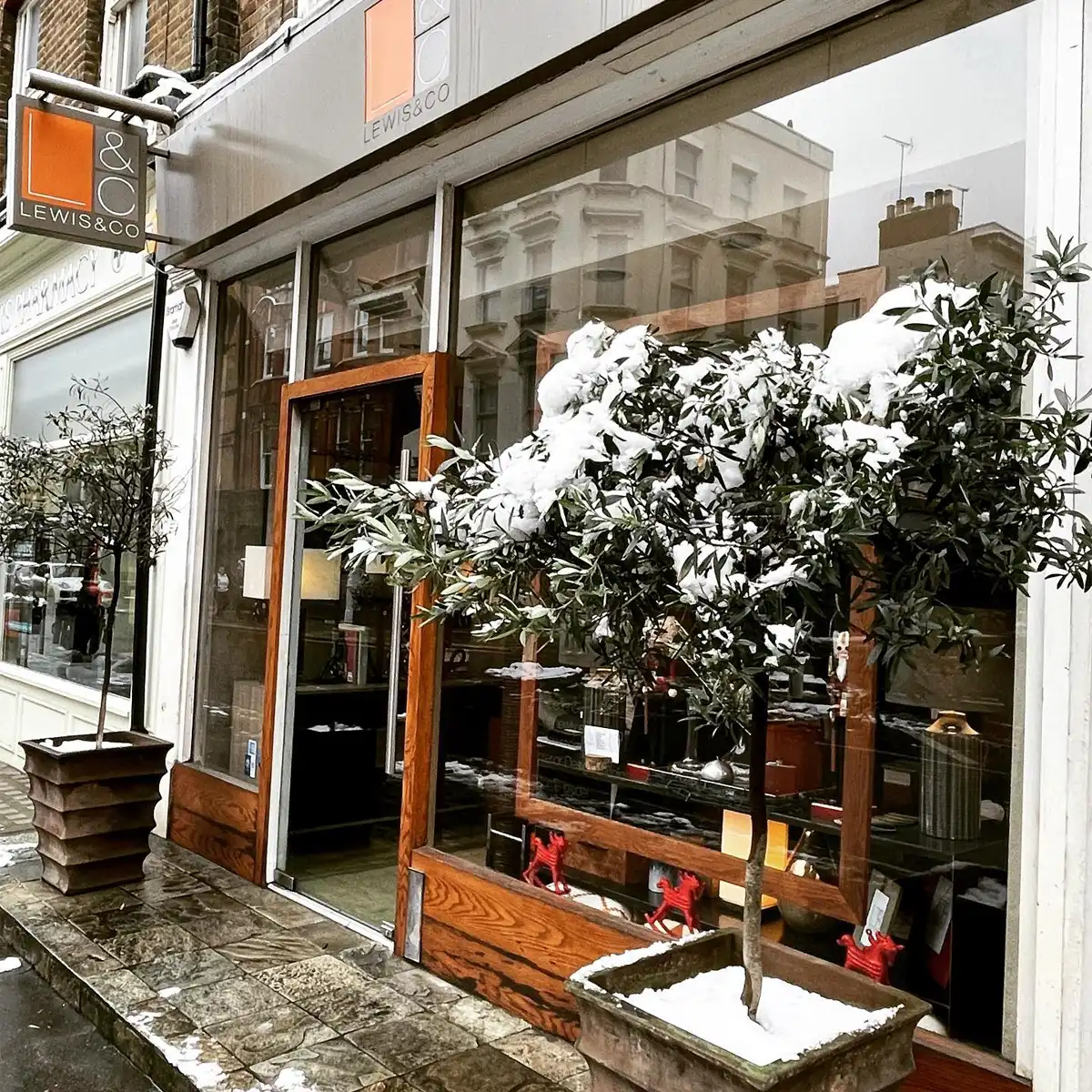
The street takes its name from the neighbouring district of Paddington, which historically formed a separate rural parish to the west before London's expansion absorbed it. Despite the name, Paddington Street itself has always sat within Marylebone's boundaries. Its character today is typical of the Howard de Walden Estate: well-maintained brick and stucco buildings, a mix of ground-floor businesses and upper-floor residential use, and a pace that differs considerably from the commercial intensity of Oxford Street a short distance to the south.
The Marylebone Gazette
Delivered weekly to your inbox
Join 12,000+ Marylebone insiders